
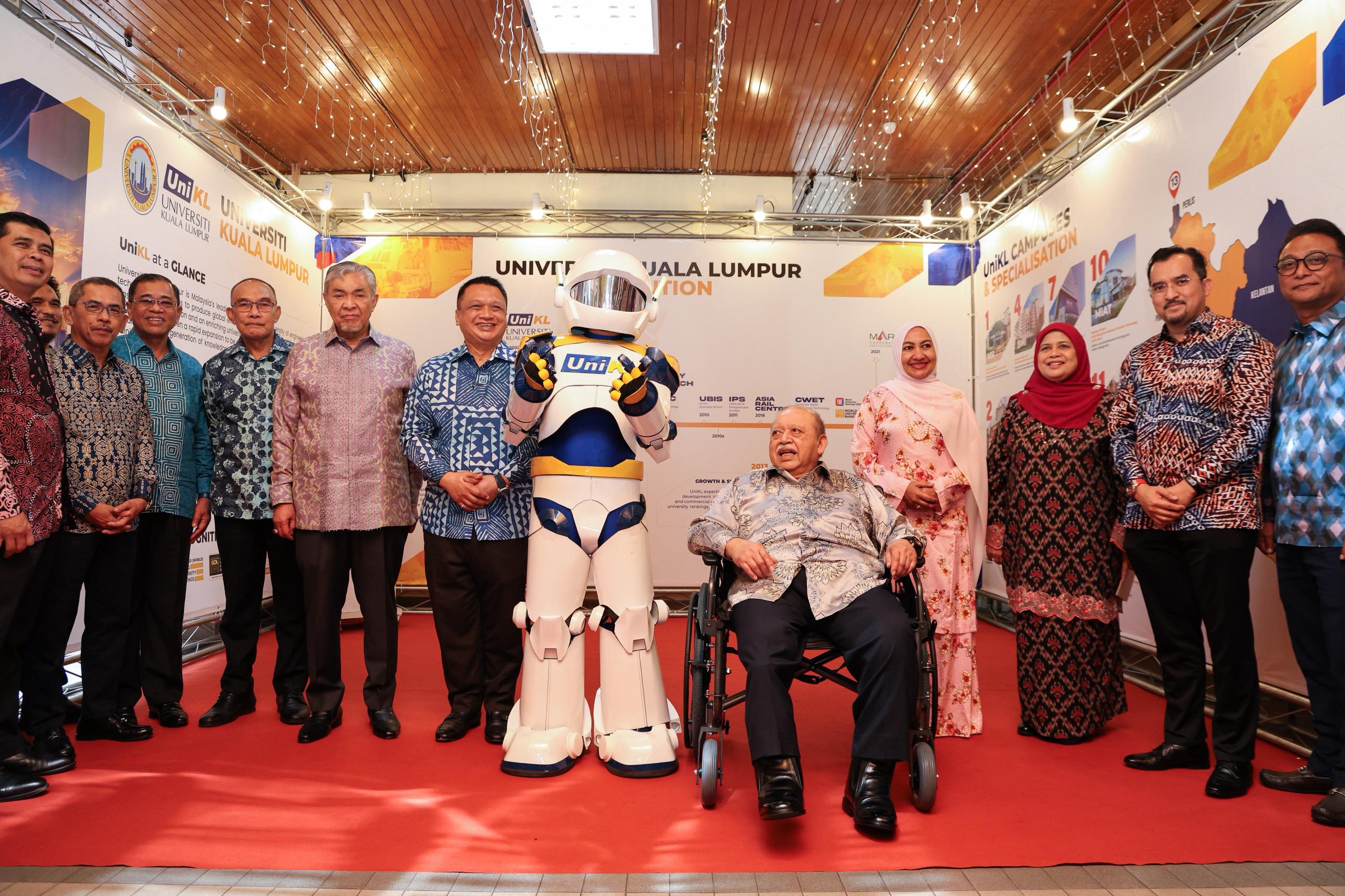
Universiti Kuala Lumpur (UniKL) has introduced its 13th institute, the UniKL Asia Sustainable Transportation Institute (UniKL ASTI), which will be based in Perlis, in the northern region of Malaysia. The institute is expected to be completed by 2028.
Currently in its final design phase, Deputy Prime Minister and Minister of Rural and Regional Development (KKDW), YAB Dato’ Seri Dr. Ahmad Zahid Hamidi, said that the 60-acre campus—located adjacent to the Perlis Inland Port (PIP)—will serve as a key catalyst in advancing higher technical education in the fields of sustainable transportation and logistics.
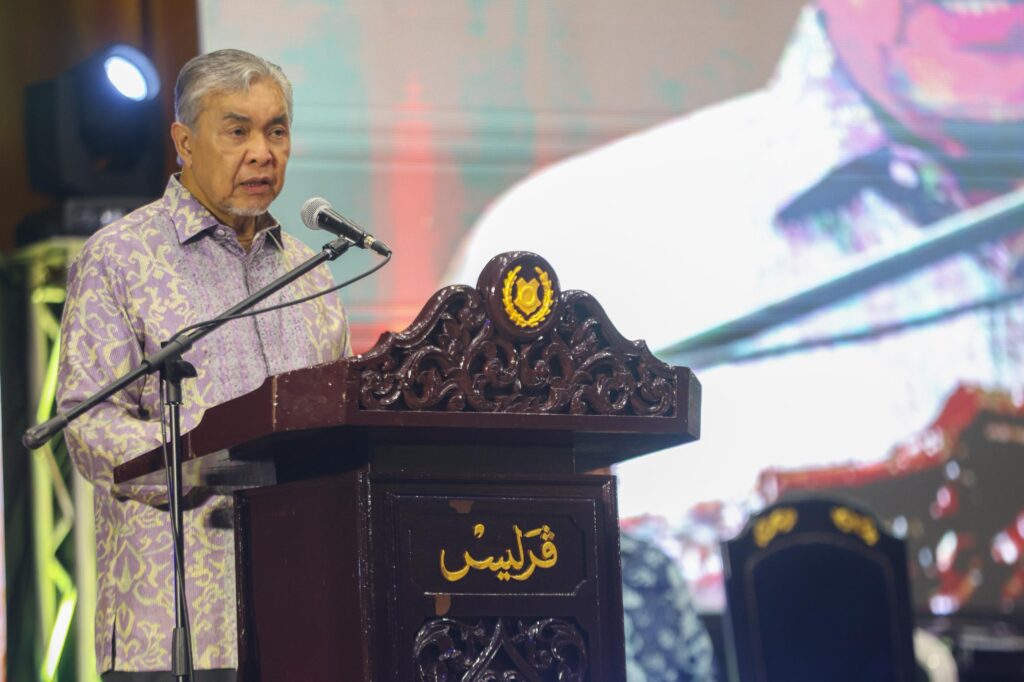
“UniKL ASTI will be a vital component in the regional logistics development ecosystem under the Northern Corridor Economic Region (NCER), positioning Perlis as a new strategic logistics hub in the northern region of the country.
“UniKL ASTI will offer a range of Diploma and Degree programmes in high-impact TVET fields such as Heavy Vehicle Maintenance Technology, Lifting Equipment Management, and Maintenance, Repair, and Overhaul (MRO) Technology,” said YAB Dato’ Seri Dr. Ahmad Zahid during the groundbreaking ceremony for the establishment of UniKL ASTI.
The ceremony was officiated by His Royal Highness The Raja of Perlis, Tuanku Syed Sirajuddin Ibni Almarhum Tuanku Syed Putra Jamalullail, in the presence of Her Royal Highness The Raja Perempuan of Perlis, Tuanku Tengku Fauziah Binti Almarhum Tengku Abdul Rashid, and His Royal Highness The Crown Prince of Perlis, Tuanku Syed Fai-Zud-Din Putra Ibni Tuanku Syed Sirajuddin Jamalullail.
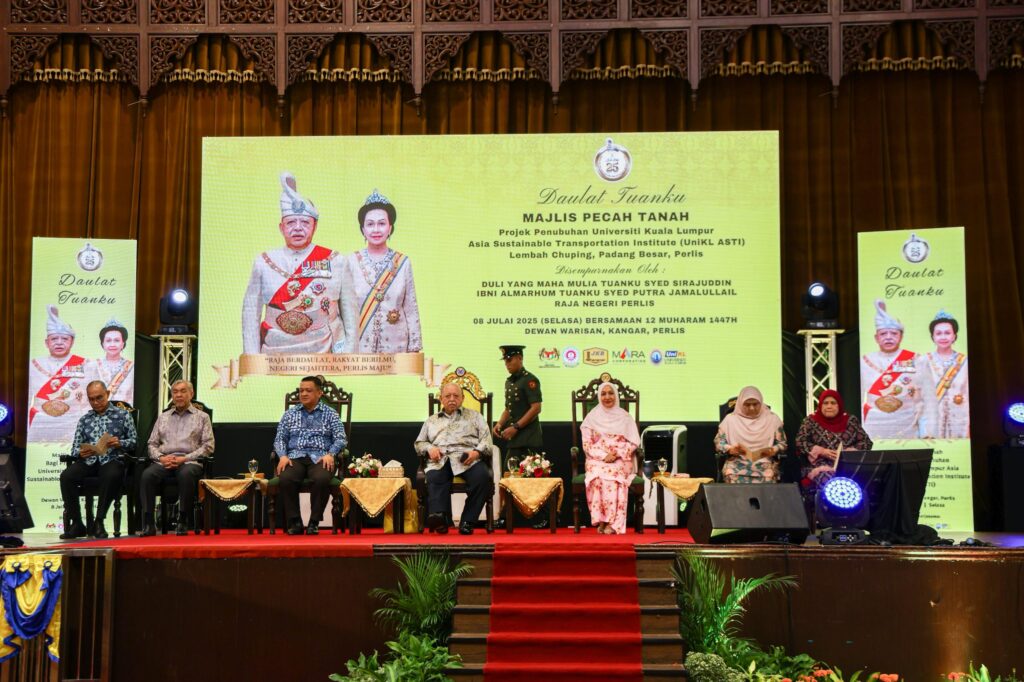
Located in Chuping Valley, Padang Besar, a vibrant economic zone in northern Malaysia, this new development is set to accelerate the implementation of the PIP mega project.
The port is anticipated to be a major driver of cross-border cargo movement between Malaysia and Thailand, with trade value projected to reach USD 30 billion (RM132 billion) by 2027.
The UniKL ASTI project will be carried out using a design and build approach, with the Public Works Department of Malaysia (JKR) serving as the implementing agency, while Majlis Amanah Rakyat (MARA), under the KKDW, will act as the client agency.


