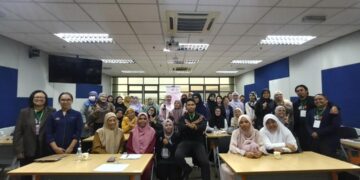


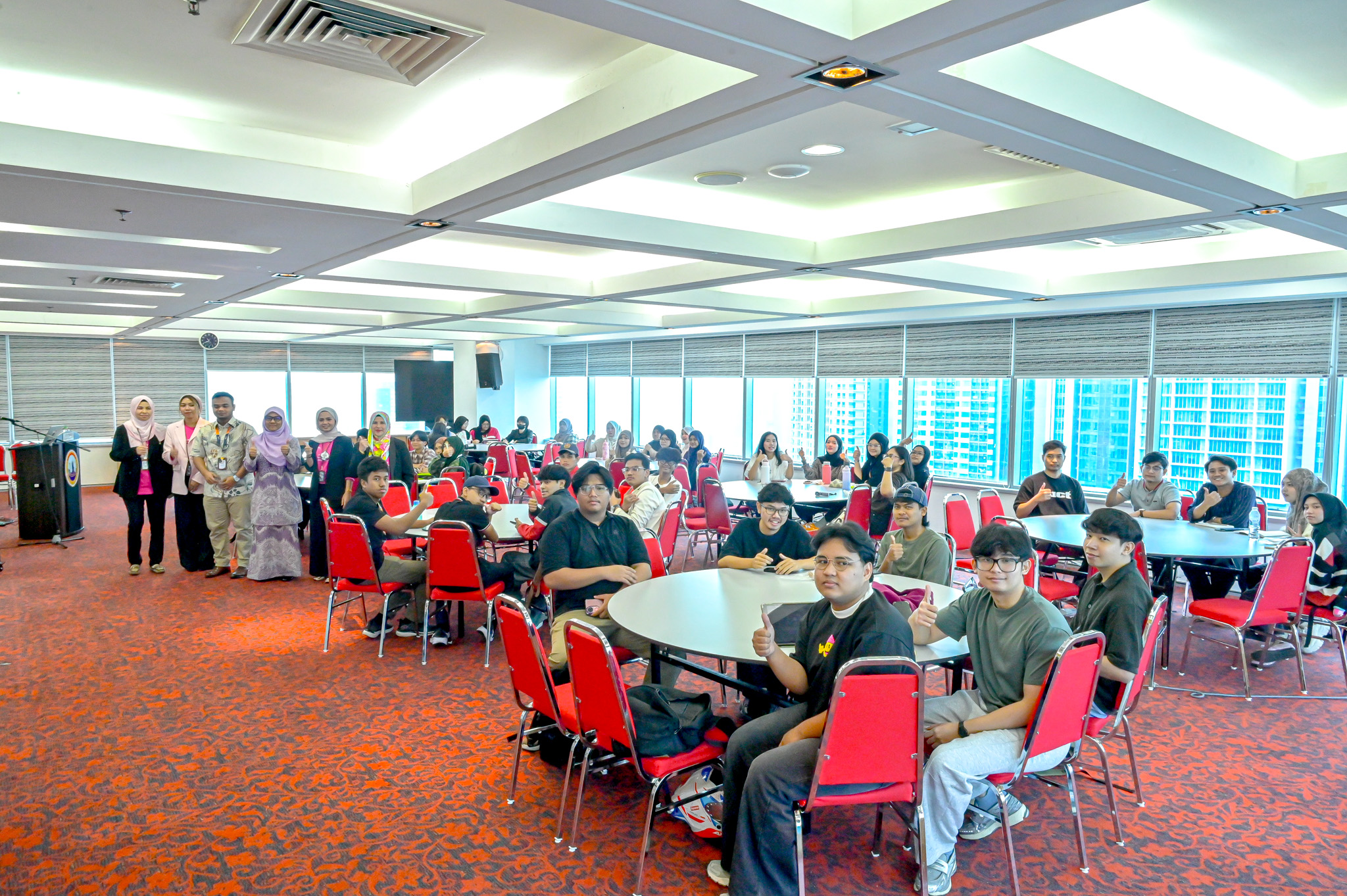
Universiti Kuala Lumpur Malaysian Institute of Information Technology (UniKL MIIT) strengthened its commitment to digital literacy and responsible technology through CyberSmart 2026 Version 2.0, bringing cybersecurity awareness closer to its student community.
Held on 13 August 2026 at the Banquet Hall, Level 29, UniKL MIIT, the programme engaged approximately 60 students in discussions on digital safety, cybersecurity awareness, ethical technology and responsible digital practices.

Organised by the Centre for Women Advancement and Leadership (CWAL), UniKL MIIT, CyberSmart 2026 Version 2.0 was implemented as a Community Engagement and Knowledge Transfer Programme with support from Yayasan UniKL.
The programme marked the continuation of CyberSmart 2026 Version 1.0, which was conducted at Sekolah Menengah Setia Budi, Gombak, on 7 July 2026.

By bringing Version 2.0 back to the university community, the initiative expanded its reach from school-based community engagement to strengthening cybersecurity knowledge among UniKL students, creating a continuous cycle of knowledge transfer and digital awareness.
Students gained insights from Amira Hamran of CyberSecurity Malaysia and Mohamad Adib Baihaqi, Lecturer in Software Engineering at UniKL MIIT, bringing together industry and academic perspectives on the challenges of navigating today’s increasingly connected digital environment.
Their sessions highlighted not only technical cybersecurity awareness but also the importance of making responsible and ethical decisions when using digital technologies.

This industry-academia engagement provided students with opportunities to connect theoretical understanding with practical perspectives on cybersecurity, digital risks and responsible technology use.
The programme was led by Dr. Mahfuzah Mohaidin, CWAL Coordinator at UniKL MIIT, together with Ts. Dr. Masyarah Mazmuzidin, Ts. Dr. Syahela Hussein, Ts. Amalia Mohamad, Ahmad Fahmi Mohamad and Nadhirah Azamudin.
“CyberSmart 2.0 is a continuation of our commitment to empower young people with the knowledge and confidence to navigate the digital world safely, responsibly and ethically,” said Dr. Mahfuzah.
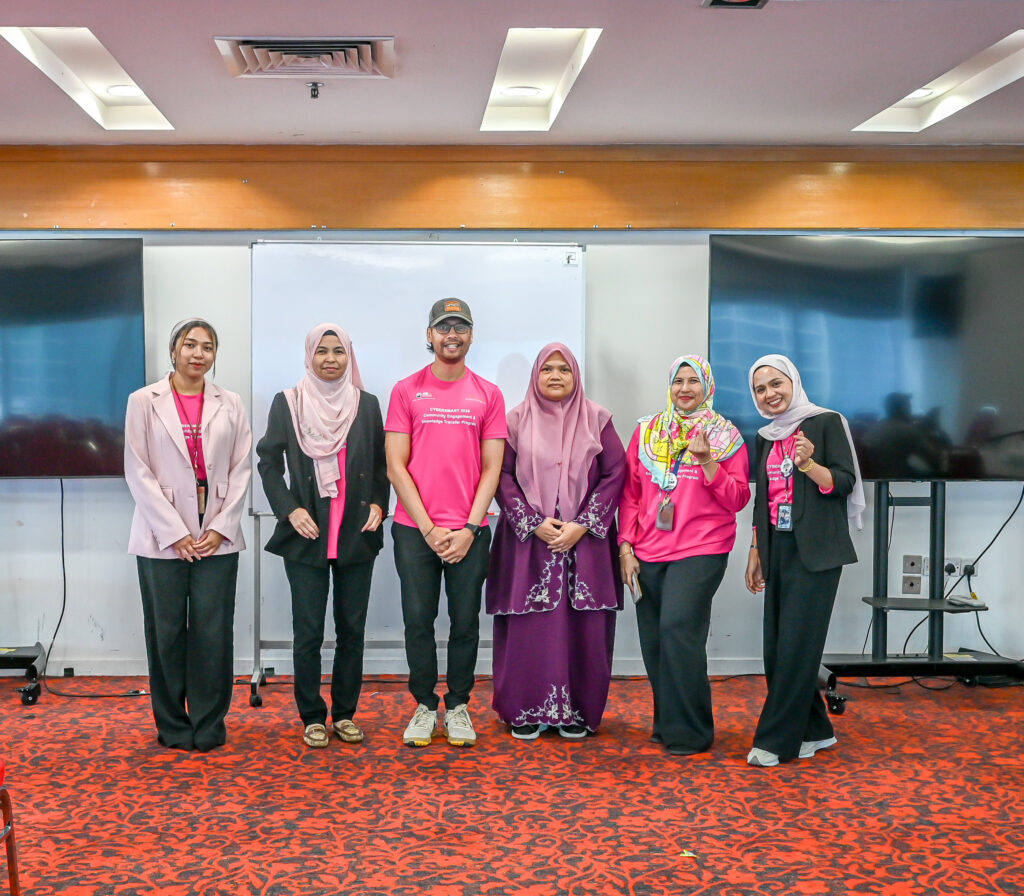
She added that following the programme’s engagement with the school community through Version 1.0, its continuation with UniKL MIIT students helps strengthen a culture of digital safety within the university community.
The programme supports the United Nations Sustainable Development Goals (SDGs), particularly SDG 4: Quality Education through cybersecurity and digital literacy education; SDG 9: Industry, Innovation and Infrastructure through engagement with digital and cybersecurity expertise; and SDG 17: Partnerships for the Goals through knowledge exchange between academia, industry and supporting organisations.
It also contributes to SDG 16: Peace, Justice and Strong Institutions by promoting responsible digital citizenship, ethical technology practices and greater awareness of cybersecurity in an increasingly digital society.