
Universiti Kuala Lumpur (UniKL) has strengthened its role in rural community development by equipping 180 rural leaders with practical skills in artificial intelligence (AI), sustainable economic development, governance and digital transformation.
The initiative was delivered through the Executive Programme on Rural Transformation and Leadership 2026.
Implemented by UniKL Royal College of Medicine Perak (UniKL RCMP) through Advancement and Continuing Education (ACE), the programme was commissioned by the Institute for Rural Advancement (INFRA) under the Ministry of Rural and Regional Development (KKDW).
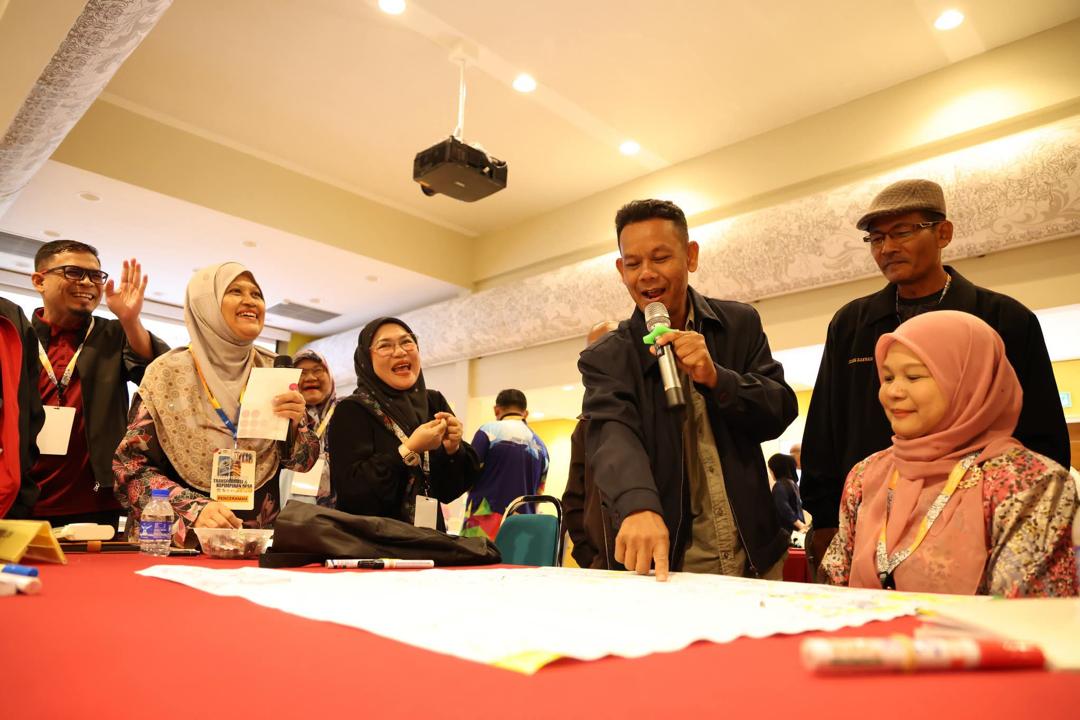
Carrying the theme “Driving Integrity, Economic Sustainability and AI-Powered Transformation in Rural Communities,” the five-day executive programme was designed to strengthen leadership capabilities while helping rural communities respond to changing economic, technological and environmental demands.
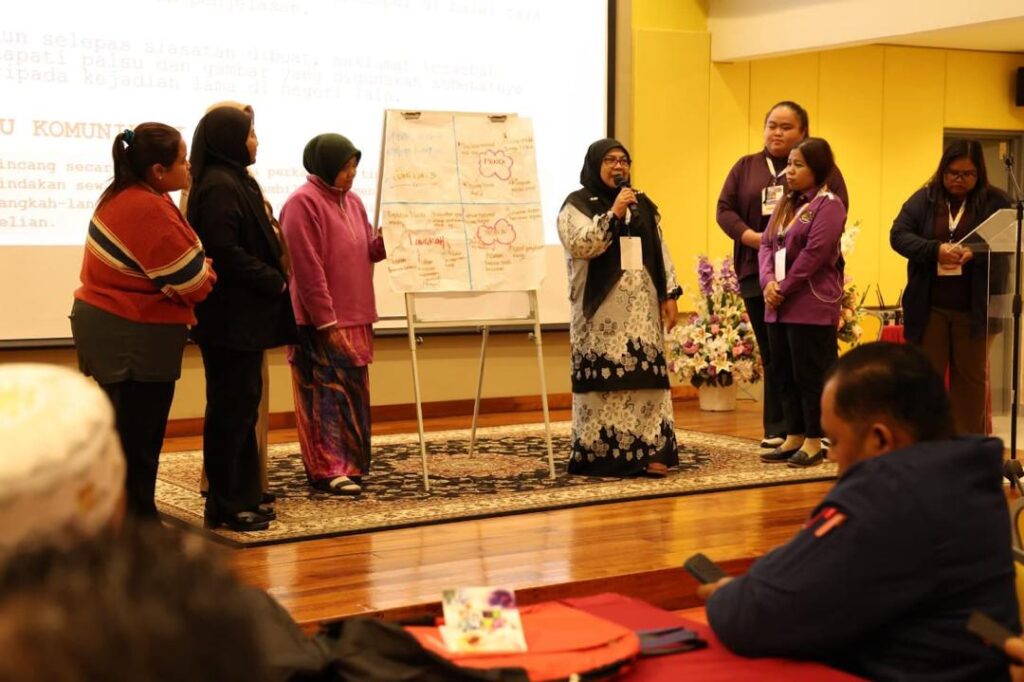
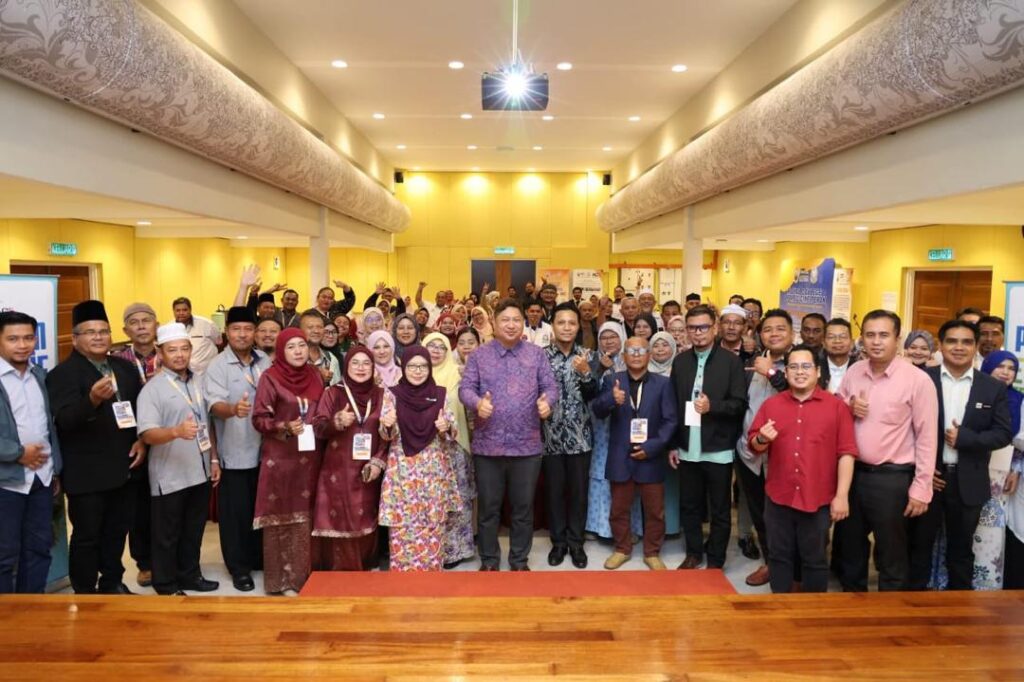
Three sessions were conducted at INFRA, Bangi, from 18 to 22 May, 15 to 19 June and 20 to 24 July 2026, with 60 participants attending each session.
Participants comprised selected rural leaders, members of Village Development and Security Committees (JPKK/JPKKP), youth leaders and women leaders from Negeri Sembilan, Pahang, Melaka, Johor, Selangor, Perak and Penang.
The programme combined leadership development with practical knowledge that participants could apply within their respective communities.
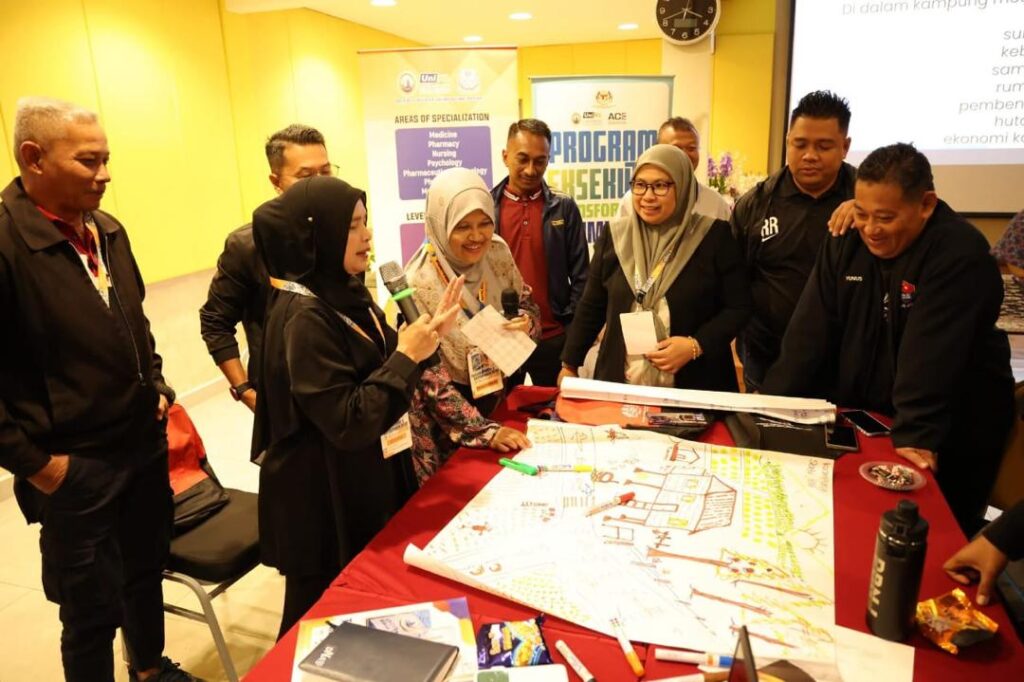
Nine core areas were covered, including conflict management and effective communication, leadership transformation and integrity in rural governance, rural development strategies, economic empowerment, high-impact community projects, financial and risk management, environmental and biodiversity management, renewable energy and low-carbon development, as well as digital transformation and AI-powered marketing.
Participants explored how AI can support administration, digital marketing, product promotion and business development, enabling local entrepreneurs and community groups to improve the visibility and competitiveness of rural products.
At the same time, modules on renewable energy, environmental management and low-carbon development encouraged participants to consider how economic growth can be pursued alongside the protection of natural resources.
The programme brought together expertise from several UniKL campuses, demonstrating the university’s multidisciplinary approach to community development and lifelong learning.
Trainers were drawn from UniKL Business School, UniKL British Malaysian Institute (UniKL BMI), UniKL Malaysian Institute of Information Technology (UniKL MIIT) and UniKL Malaysian Institute of Chemical and Bioengineering Technology (UniKL MICET), while ACE UniKL RCMP served as the programme secretariat.
Beyond classroom learning, the programme encouraged participants to identify resources, local strengths and economic opportunities within their own communities.
Participants were introduced to approaches for transforming community assets into marketable rural products, sustainable businesses and high-impact economic activities capable of generating additional income.
During the closing ceremony for the second session on 19 June 2026, INFRA Director YBrs. En. Abd Jalil Ismail expressed his appreciation to UniKL for successfully implementing the programme.
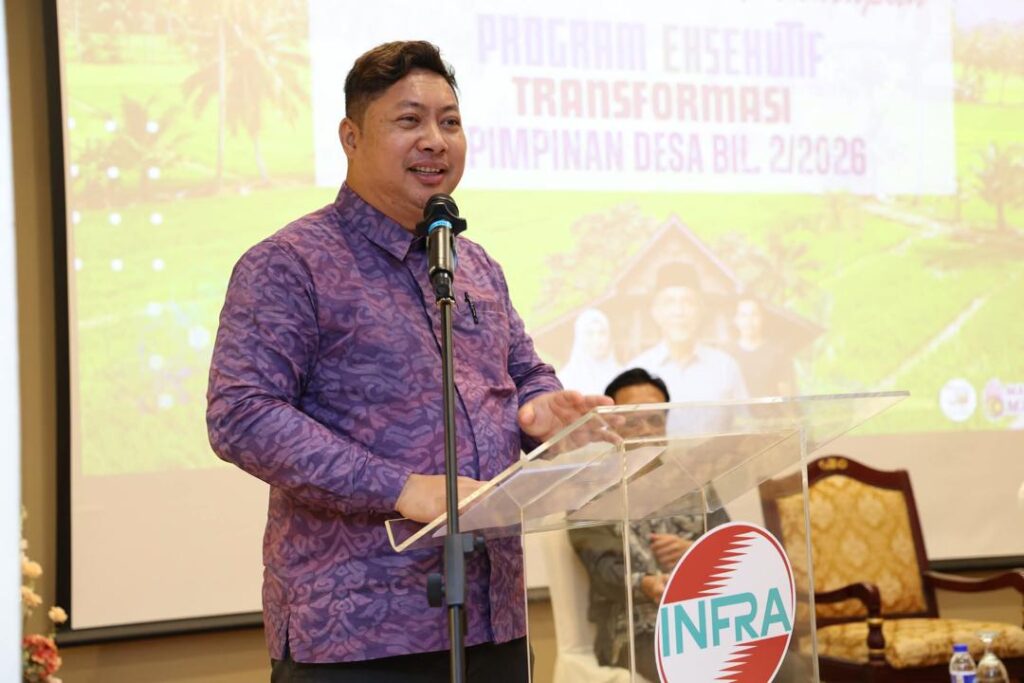
He also shared INFRA’s intention to consider the Executive Programme on Rural Transformation and Leadership as a regular programme in the future, reflecting the potential for the initiative to provide continued capacity-building support for rural leaders nationwide.
The Executive Programme on Rural Transformation and Leadership 2026 contributes to several United Nations Sustainable Development Goals (SDGs) and reinforces UniKL’s wider commitment to sustainability, social impact and community engagement.
Its emphasis on skills development and lifelong learning supports SDG 4: Quality Education, while rural entrepreneurship and economic empowerment contribute to SDG 8: Decent Work and Economic Growth.
The integration of AI, digital transformation and technology adoption aligns with SDG 9: Industry, Innovation and Infrastructure, while efforts to strengthen resilient and sustainable rural communities support SDG 11: Sustainable Cities and Communities.
Environmental management, renewable energy and low-carbon development contribute to SDG 13: Climate Action, while leadership integrity and effective rural governance reinforce SDG 16: Peace, Justice and Strong Institutions.


