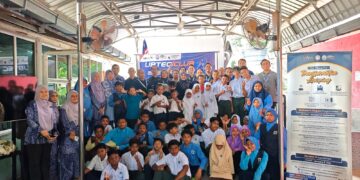



Yayasan Universiti Kuala Lumpur (Yayasan UniKL) continues to expand educational opportunities by supporting 115 secondary school students from 23 schools in Kuala Lumpur through an academic intervention programme.
The initiative focuses on strengthening students’ knowledge and preparation for the Sijil Pelajaran Malaysia (SPM) examination, particularly in Science, Technology, Engineering and Mathematics (STEM) and Technical and Vocational Education and Training (TVET)-related subjects.
The Bengkel IMPACT Murid TVET dan STEM Daerah Keramat 2026, organised by the Learning Sector of the Keramat District Education Office (PPD Keramat), was held from 28 September to 1 October 2026 at UniKL Business School.
The four-day programme aimed to strengthen students’ preparation for the Sijil Pelajaran Malaysia (SPM) 2026 examination while building their confidence in subjects essential to their future academic and career pathways.
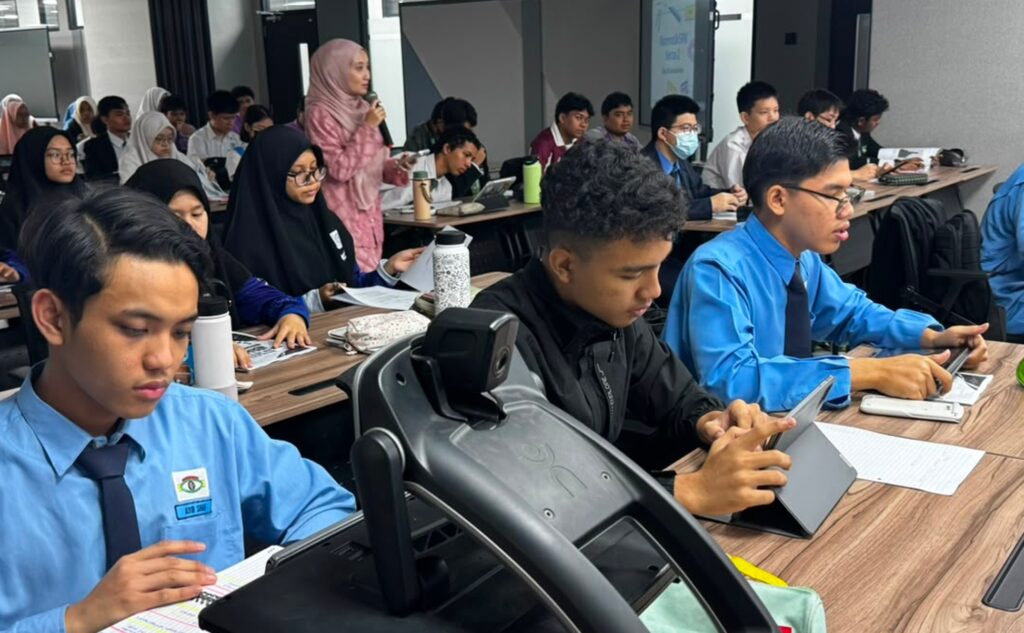
Through focused learning sessions, participants received additional academic guidance in Mathematics, Additional Mathematics, Physics, Chemistry, Biology, English, Principles of Accounting, Business, Economics and Home Science.
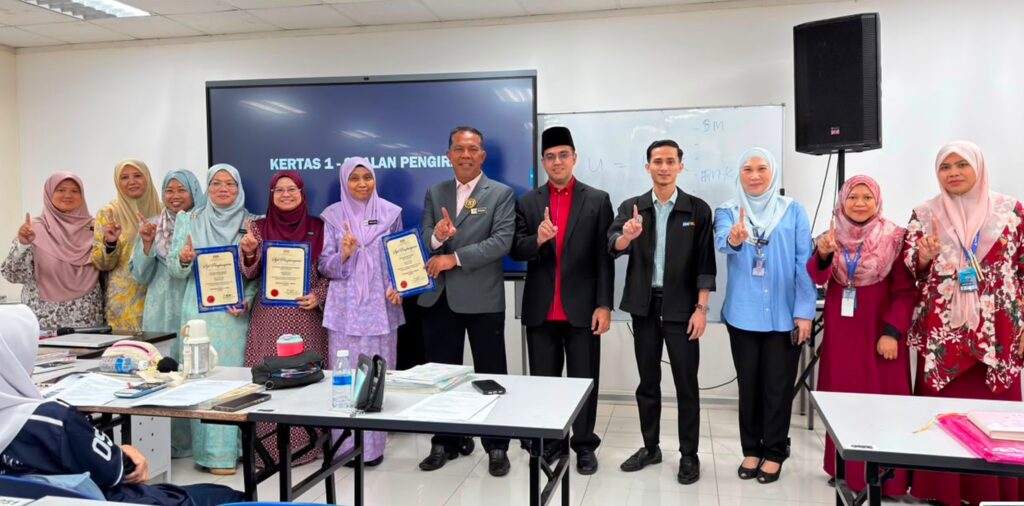
The initiative also addressed learning challenges associated with changes in SPM examination formats and the requirements of the Dokumen Standard Kurikulum dan Pentaksiran (DSKP), helping students better understand examination expectations.
Beyond academic preparation, the programme provided participants with exposure to a university learning environment, encouraging them to explore opportunities in higher education and consider future careers in STEM, TVET and other professional fields.
As part of its support, Yayasan UniKL contributed RM12,470 in sponsorship, primarily covering meals and refreshments for participating students, teachers and programme personnel throughout the four-day workshop.
During the closing ceremony, Yayasan UniKL representative Puan Nurhafizah Jamalludin introduced participants to the Foundation’s educational initiatives, including scholarship opportunities and financial assistance available to deserving students pursuing higher education.
The engagement encouraged students to look beyond their upcoming examinations and recognise the various educational pathways and support systems available to help them achieve their aspirations.

The initiative contributes to the United Nations Sustainable Development Goals (SDGs), particularly SDG 4: Quality Education, through inclusive learning opportunities and academic support, and SDG 17: Partnerships for the Goals, through collaboration between higher education institutions and education stakeholders.