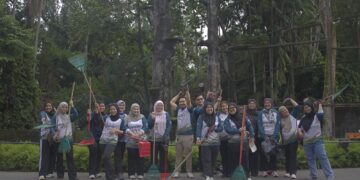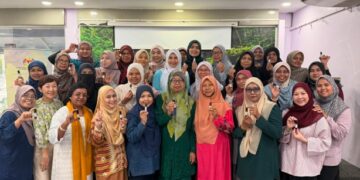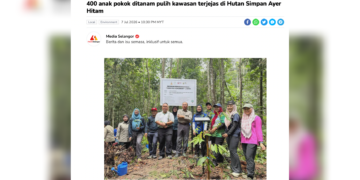


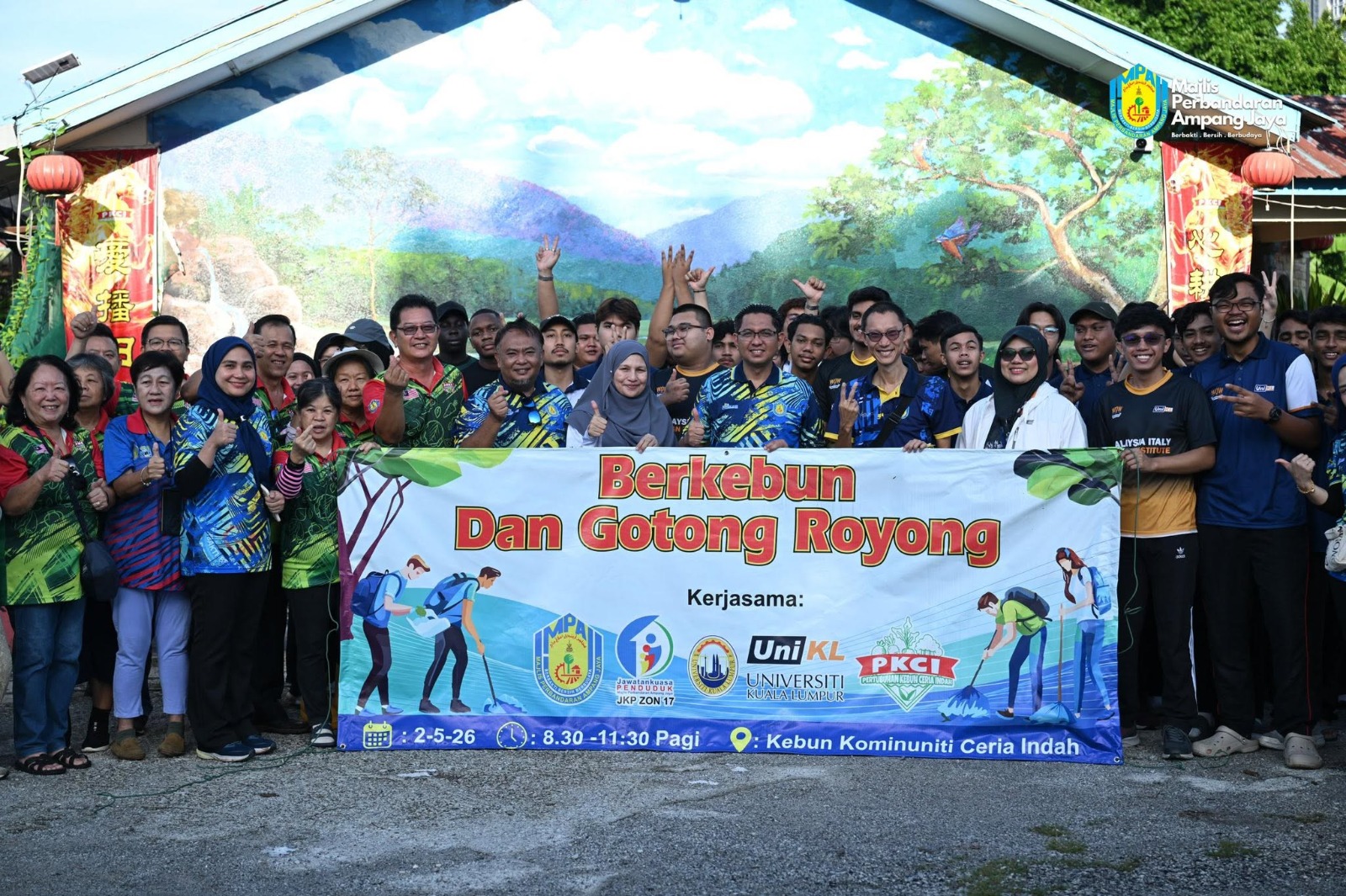
Universiti Kuala Lumpur Malaysia Italy Design Institute (UniKL MIDI) continued to demonstrate its commitment to community engagement and sustainable development through its participation in the ‘Gotong-Royong Kebun Komuniti Ceria Indah’ programme.
Held on 2 May 2026 at the Ceria Indah Community Garden in Ampang, the sustainability initiative was organised in collaboration with Majlis Perbandaran Ampang Jaya (MPAJ) under the MPAJ Perkasa Komuniti initiative.
The programme brought together 80 participants comprising UniKL MIDI students, staff members, residents, and community leaders in a collective effort to revitalise and maintain the neighbourhood’s community garden.
Beginning at 7:30 a.m., participants worked side by side to clean, restore, and enhance the garden environment, transforming the space into a more vibrant and sustainable community asset.
Beyond environmental stewardship, the initiative served as a platform to strengthen collaboration between higher education institutions, local authorities, and the wider community.
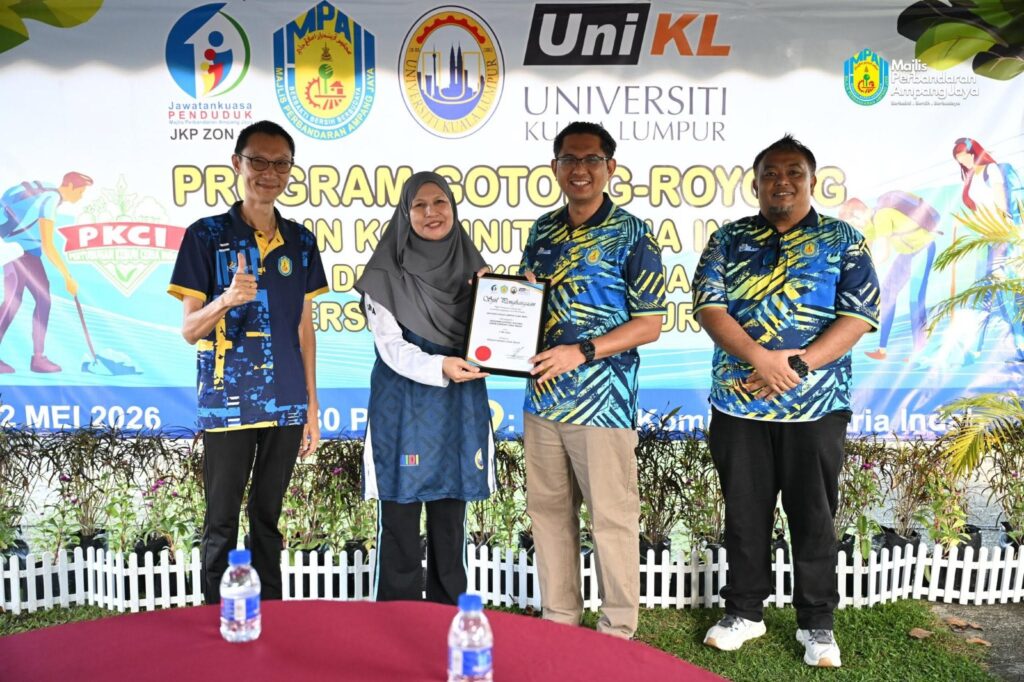
The programme reflects UniKL’s commitment to University Social Responsibility (USR), providing students with opportunities to apply civic values, leadership skills, and community-centred practices beyond the classroom.
Such initiatives contribute to the development of socially responsible graduates while supporting national aspirations for sustainable and inclusive communities.
The event was attended by Ts. Hj. Hasrolnizam Shaari, Chief Digital Officer of MPAJ; Tn. Woon Kwai Chong, Council Member for JKP Zone 17; Mohamad Yusuf Sulaiman, Director of MPAJ’s Department of Youth, Community and Landscape; Hasmawati Ismail, Head of Student Development Section at UniKL MIDI; and Johnn Chong Khen Foor, Chairman of the Ceria Indah Community Garden Association.
MPAJ played a pivotal role in coordinating the programme by providing logistical support, managing site operations, and facilitating community participation.
The local authority’s involvement highlights its ongoing efforts to empower residents through community-driven environmental initiatives and neighbourhood development programmes.
For UniKL MIDI, the programme aligns with the university’s broader agenda of fostering meaningful partnerships that create positive social impact.
Through active participation in community-based projects, students gain valuable experiential learning opportunities while contributing to real-world sustainability efforts.
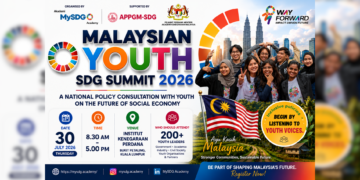
The revitalisation of the Ceria Indah Community Garden also supports several United Nations Sustainable Development Goals (SDGs), particularly SDG 11 (Sustainable Cities and Communities), SDG 13 (Climate Action), and SDG 17 (Partnerships for the Goals), demonstrating how collaborative action can drive long-term environmental and social benefits.