

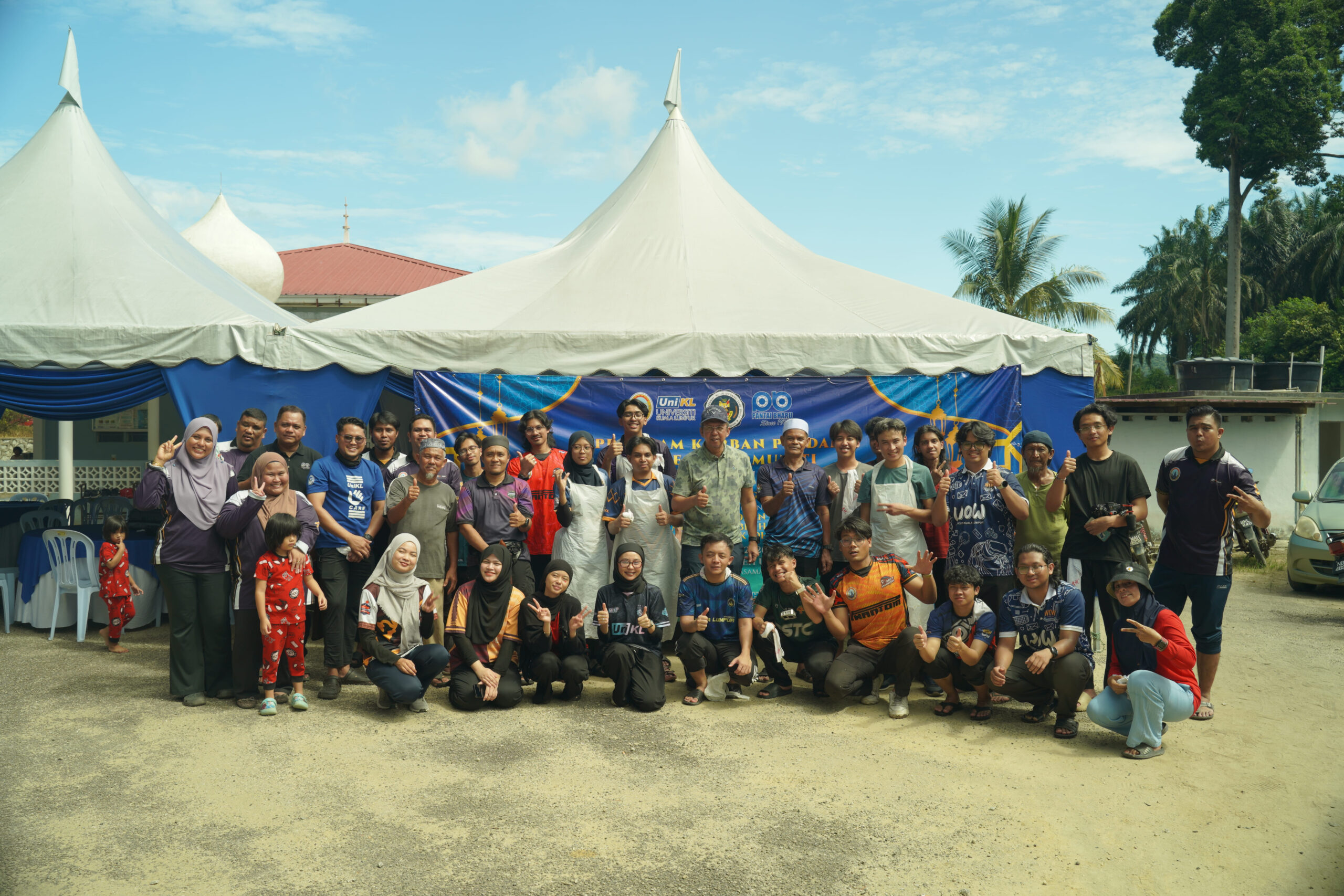
Universiti Kuala Lumpur Malaysian Institute of Information Technology (UniKL MIIT) strengthened its community engagement efforts through the Raiqa Korban dan Aqiqah 2026 programme held at Kampung Gemenche Ulu, Johol, Negeri Sembilan.
The programme, spearheaded by the UniKL MIIT Student Representative Council (SRC) in collaboration with Pantai Baharu Group, involved 28 students and eight staff members from UniKL MIIT.
The initiative brought together students, staff, organisers, and members of the local community in a programme aimed at promoting volunteerism, social responsibility, and community support.
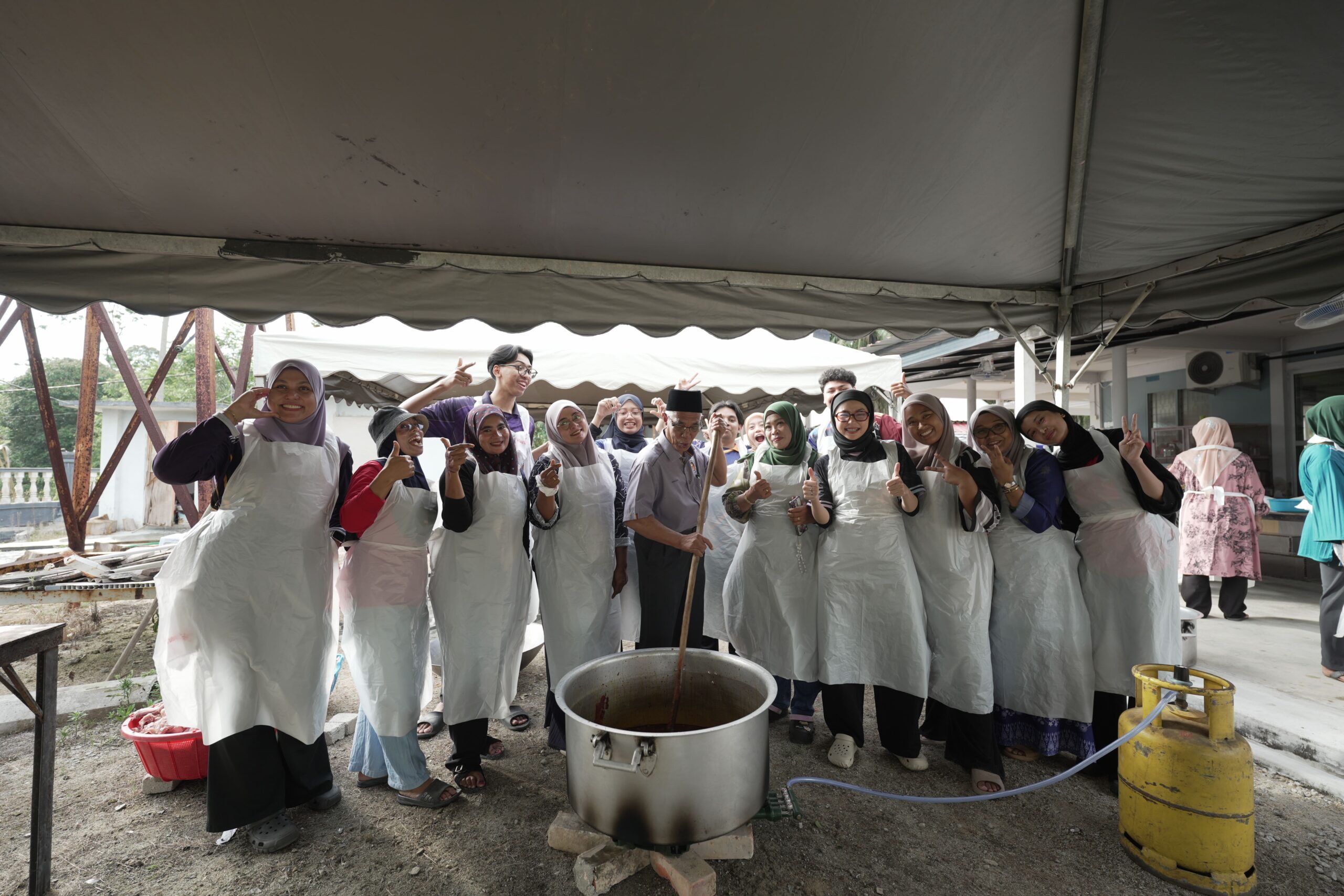
Through the programme, participants assisted in the preparation, coordination, and distribution of korban and aqiqah meat to beneficiaries in the village. The activity also provided students with exposure to proper procedures, hygiene practices, safety protocols, and systematic distribution methods.
The programme reflected UniKL MIIT’s commitment to developing holistic graduates under the TVET MARA framework by combining academic learning with values-based community engagement.
It also supported Sustainable Development Goal (SDG) 4: Quality Education by providing students with experiential learning opportunities beyond the classroom, particularly in leadership, teamwork, communication, and social awareness.
At the community level, the initiative contributed to SDG 11: Sustainable Cities and Communities by strengthening social ties, inclusivity, and support systems within a rural setting.
The programme was officiated by Y.A.M. Dato’ Baginda Luak Johol, Haji Sahabudin Haji Ibrahim from the Undang Johol Foundation.
Mohamad Isyraf Hariri, President of the UniKL MIIT Student Representative Council 2026, said the programme served as an important platform to instil teamwork, compassion, and leadership among students.
“This programme is not only a religious and charitable activity, but also a platform to instil values of teamwork, compassion, and leadership among students.
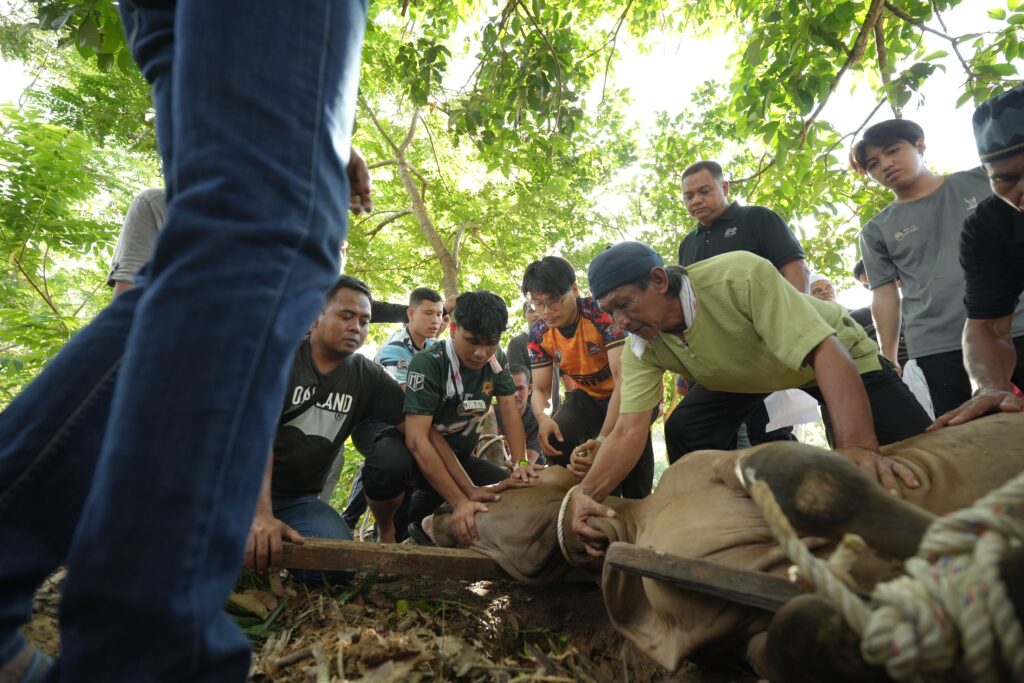
“What makes Raiqa Korban dan Aqiqah truly impactful is its direct engagement with the community, where students are involved in every stage of the process, from preparation and slaughtering procedures to distribution activities, allowing them to gain valuable real-world experience beyond the lecture hall,” he said.