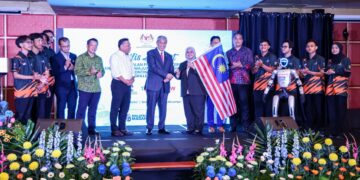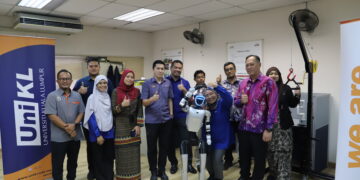


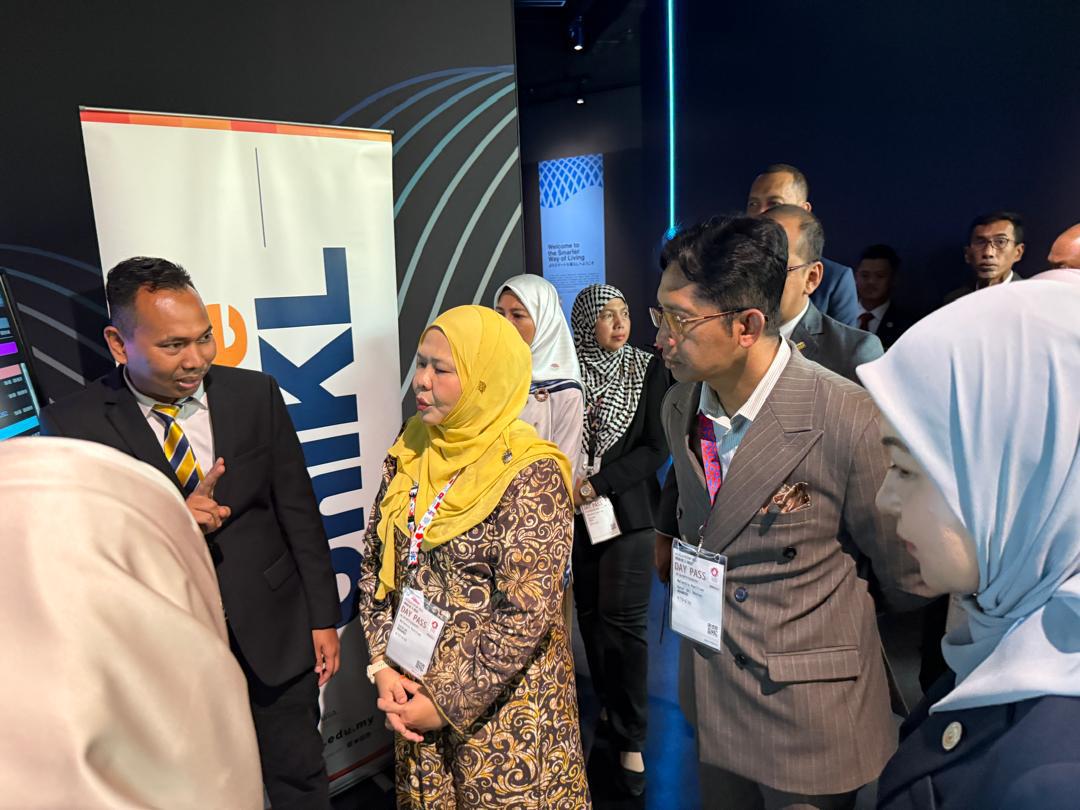
Two flagship technologies from Universiti Kuala Lumpur (UniKL) — Knowledge of Artificial Intelligence, Learning & Automation (KAiLA) and the Generative Insight Energy Management System (GI-EMS) — have been selected to represent Malaysia’s technological capabilities at the World Expo 2025 in Osaka, Japan.
These innovations are featured during the Kementerian Kemajuan Desa dan Wilayah (KKDW) Week, held from 15 to 21 June 2025 at the Malaysia Pavilion, which is expected to attract over 1 million visitors throughout the Expo’s duration.
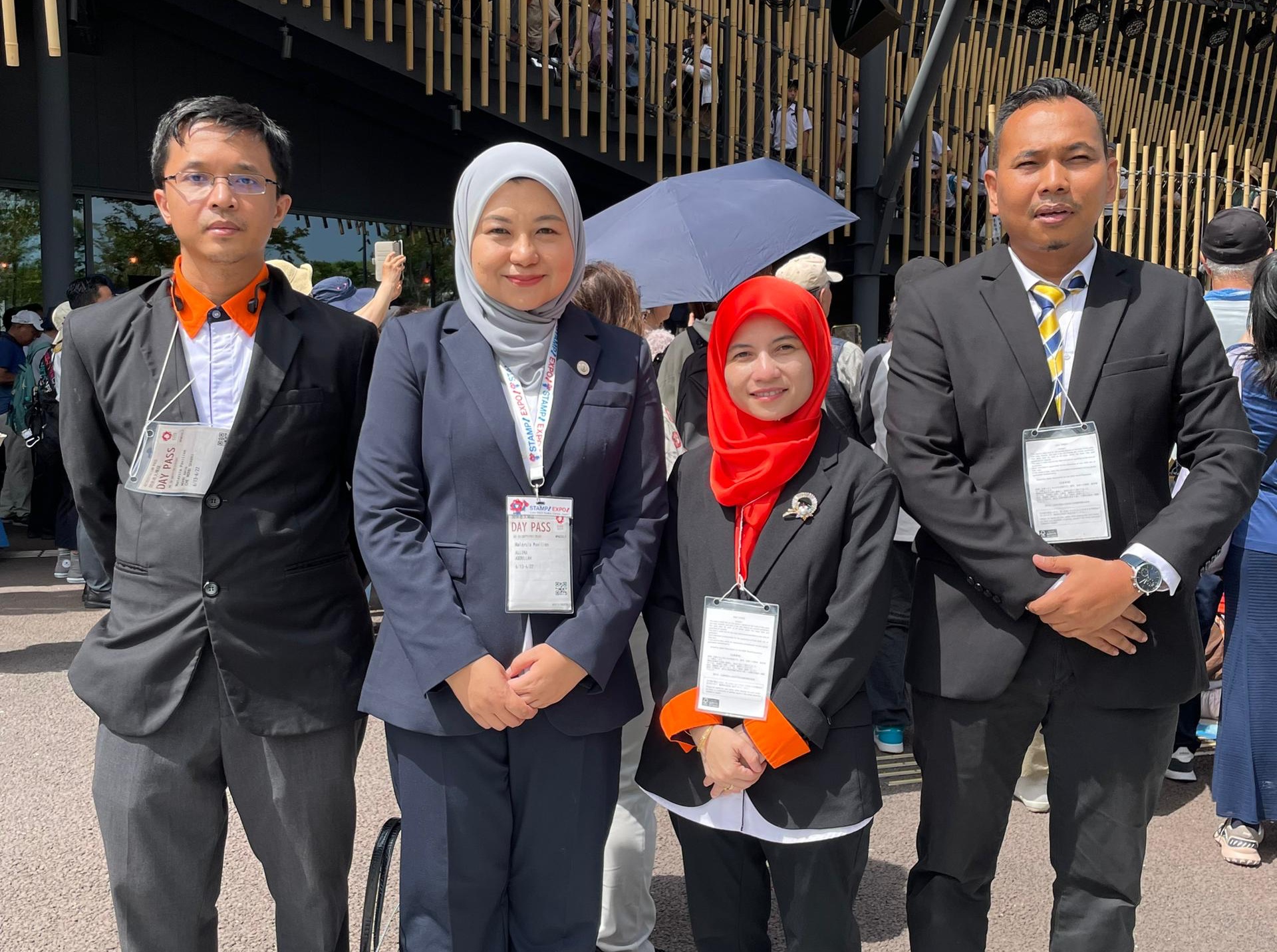
The UniKL delegation is led by Ir. Ts. Allina Abdullah, Director of the Center for Rural Economic Development (CRED), accompanied by Assoc. Prof. Ts. Dr. Muhamad Husaini Abu Bakar from UniKL Malaysian Spanish Institute (UniKL MSI), Assoc. Prof. Ts. Dr. Bazilah A. Talip, Deputy Dean (International, Industrial and Institutional Partnership) of UniKL Malaysian Institute of Information Technology (UniKL MIIT), and Mohd Amin Che Mohd Shabri, Specialist in Creative Multimedia Technology at UniKL MIIT.
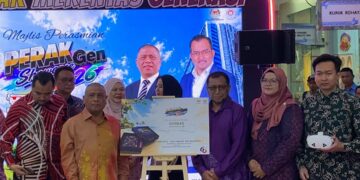
The exhibition also welcomed distinguished guests, including YBhg. Dato’ Dr. Roslan Mahmood, Senior Division Secretary at KKDW, and YB Dato’ Salbiah Mohamed, Perak State Executive Councillor for Women, Family, Social Welfare, and Entrepreneur Development.
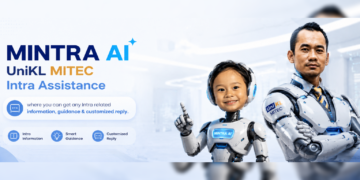
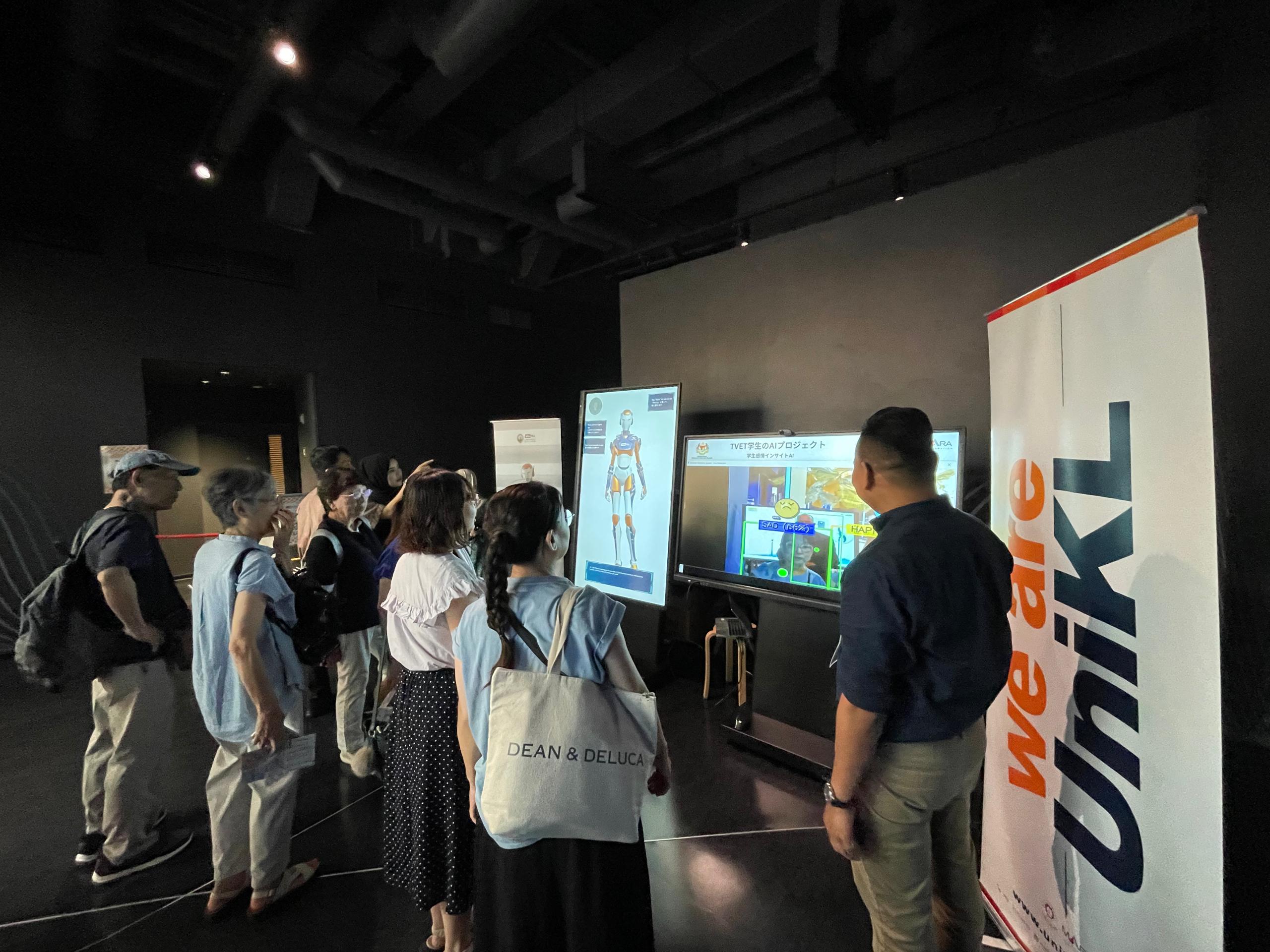
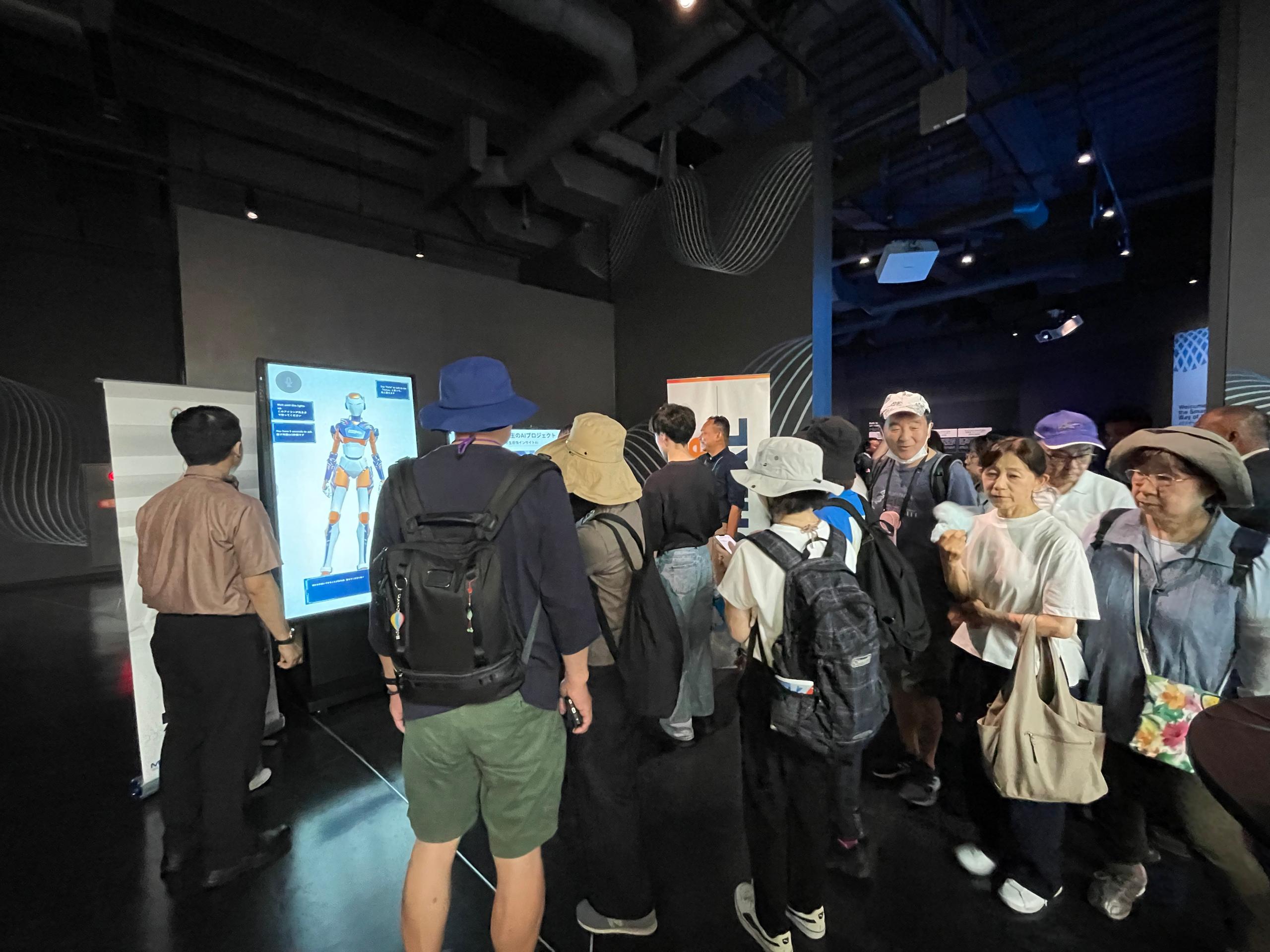
For the record, KAiLA is a 3D artificial intelligence robot, developed using Blender for design and the Unity Game Engine for application development.
Designed as the mascot for UniKL MIIT’s Center of Excellence in Artificial Intelligence (COE AI), KAiLA was created to communicate and interact with users in order to gather knowledge and simulate intelligent behaviour.
This multilingual robot is capable of intelligent, real-time interaction, using a screen and microphone for engagement and speakers for response output. Developed by students and lecturers of UniKL MIIT, KAiLA is also being commercialised as an AI teaching and learning tool.
Meanwhile, GI-EMS is an advanced, AI- and IoT-powered energy monitoring system used commercially to improve energy efficiency through technologies such as the Smart IoT-Based Current Leakage and Streetlight Monitoring System and the AI-Driven Energy Monitoring System: System Diagram.
Already implemented in Shah Alam and Selayang, GI-EMS optimises energy usage, reduces wastage, and enables strategic savings. The system supports global sustainability efforts, aligning with the Sustainable Development Goals (SDGs) for clean energy and sustainable cities.
With real-time IoT monitoring and AI-driven analytics, GI-EMS improves operational efficiency across smart cities, industries, and residential zones.
As a commercial research product developed by UniKL, the system is currently deployed across 850 IoT sites nationwide, contributing to carbon emission savings of up to 200,000 kilotonnes of oil equivalent (Ktoe) and annual cost reductions of RM100,000.