

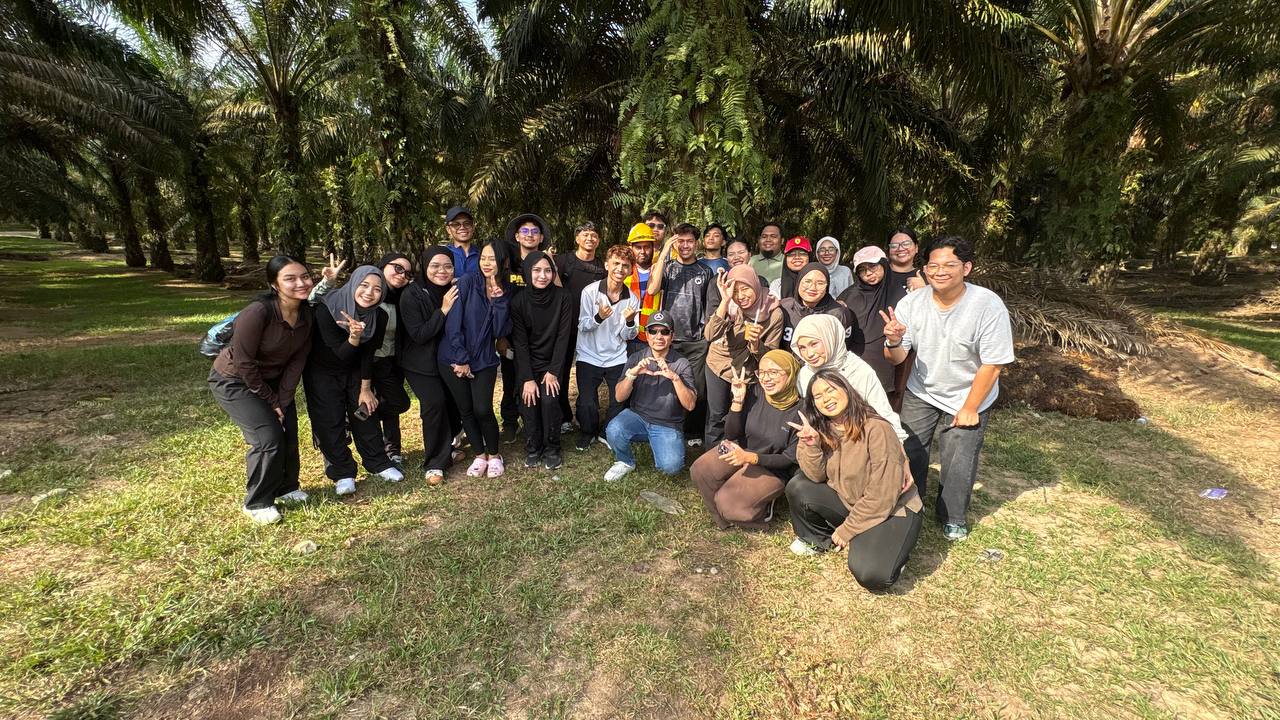
Universiti Kuala Lumpur Business School (UniKL BIS) students stepped beyond the classroom on 30 April 2026 for a study tour to FGV Bukit Sagu 04 in Kuantan, Pahang, gaining first-hand exposure to how sustainability, business responsibility and plantation operations intersect in a real working environment.
The visit transformed the plantation into a “living classroom”, allowing students to examine the Malaysian palm oil industry not only as an economic activity, but as part of a wider environmental and social system involving workers, suppliers, communities and downstream industries.
Through the experiential learning activity, students connected classroom knowledge on Environmental, Social and Governance (ESG), corporate responsibility, ethics and sustainable development with the realities of large-scale agricultural operations.
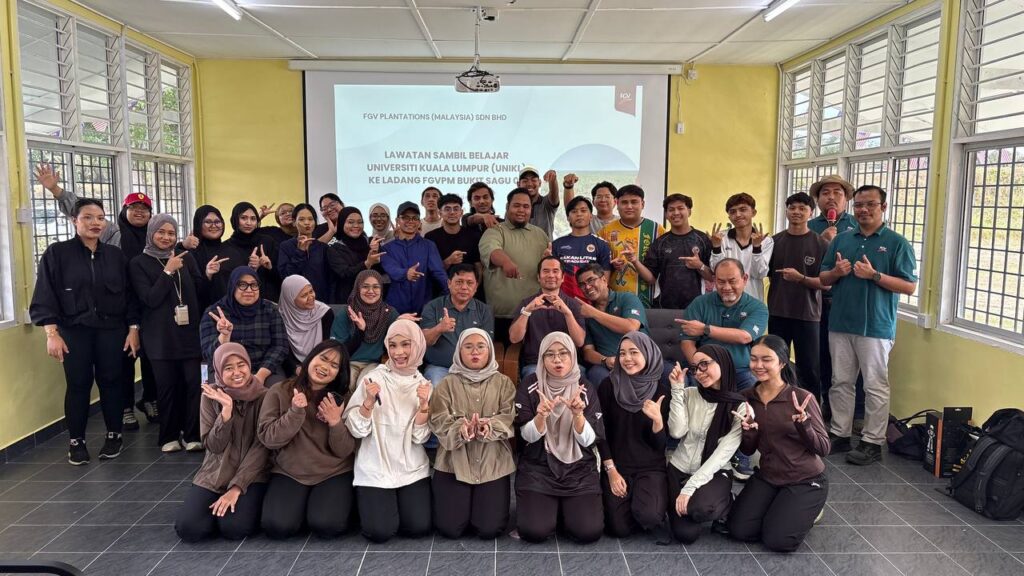
They were encouraged to observe how issues such as land management, natural resources, biodiversity, waste, occupational health and safety, employee welfare, governance, compliance and accountability can influence the sustainability performance of a business.
One of the key lessons from the study tour was that ESG extends beyond corporate reporting and sustainability statements.
From an environmental perspective, students considered how agricultural production interacts with land, water, biodiversity, waste, emissions and natural resources, while recognising the need to balance productivity with long-term environmental responsibility.
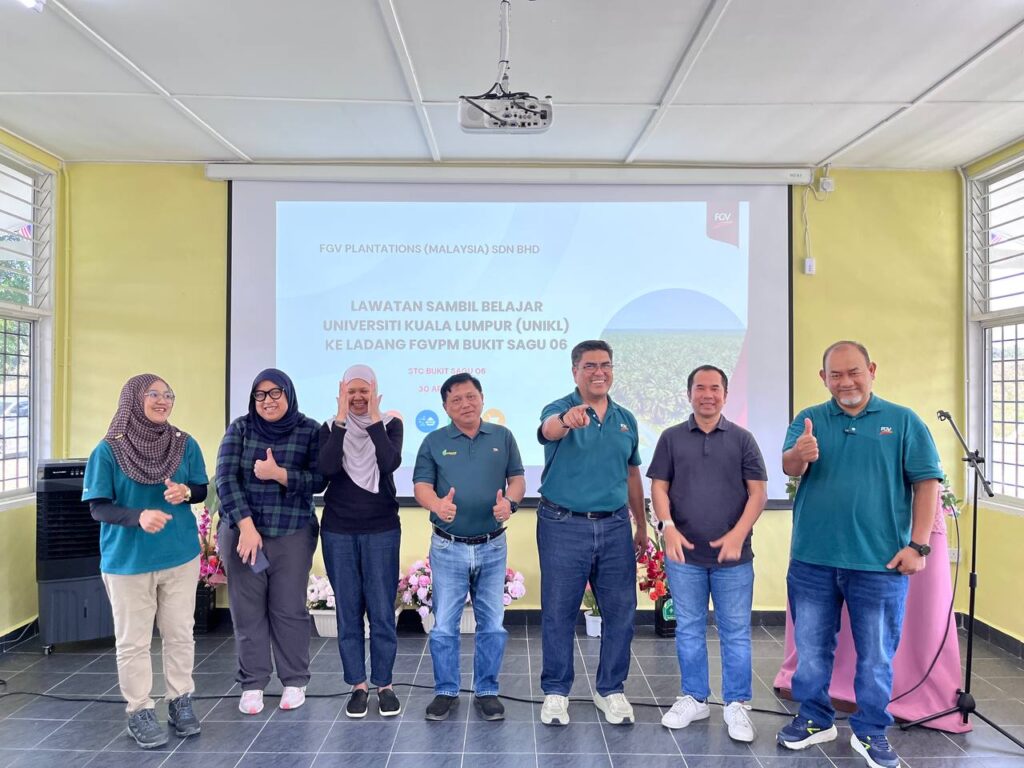
Students also explored the role of governance in turning sustainability commitments into practice.
Policies, monitoring, documentation, compliance, defined responsibilities and accountability are essential in ensuring that environmental and social commitments are consistently implemented.
The learning experience was relevant to SDG 8: Decent Work and Economic Growth, through discussions on employment, worker welfare and safe working environments, and SDG 12: Responsible Consumption and Production, through responsible resource use, waste management and sustainable production.
It also connected with SDG 13: Climate Action and SDG 15: Life on Land, particularly in relation to agricultural impacts, carbon management, biodiversity, ecosystem protection, soil management and responsible land use.