


For many Malaysians, bunga telang, or butterfly pea flower, is best known as a natural colouring agent in food and beverages — from nasi kerabu to herbal drinks.
What is less commonly known is the wide range of benefits this vibrant blue bloom offers, particularly for its antioxidant properties.
Researchers at Universiti Kuala Lumpur Malaysian Institute of Chemical and Bioengineering Technology (UniKL MICET) have been extensively pioneering research in the field of biotribology, especially exploring the potential of butterfly pea flower in skincare applications.
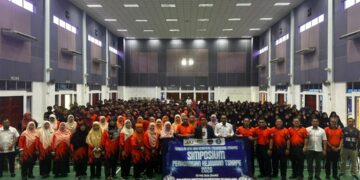
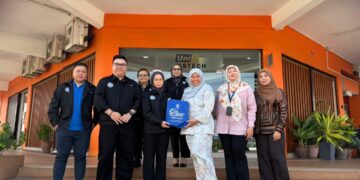
Recently, Ts. Dr. Siti Hartini Hamdan, a senior lecturer and researcher at UniKL MICET, brought this research to the global stage through a mobility programme at Universitas Airlangga (UNAIR), Indonesia.
Her focus is harnessing the properties of butterfly pea flowers in the advancement of material science, specifically surface engineering and biotribology.
At UNAIR, she investigated the potential use of anthocyanin serum extracted from butterfly pea flowers in friction-sensitive applications, which is an innovative and eco-conscious approach rooted in green technology.
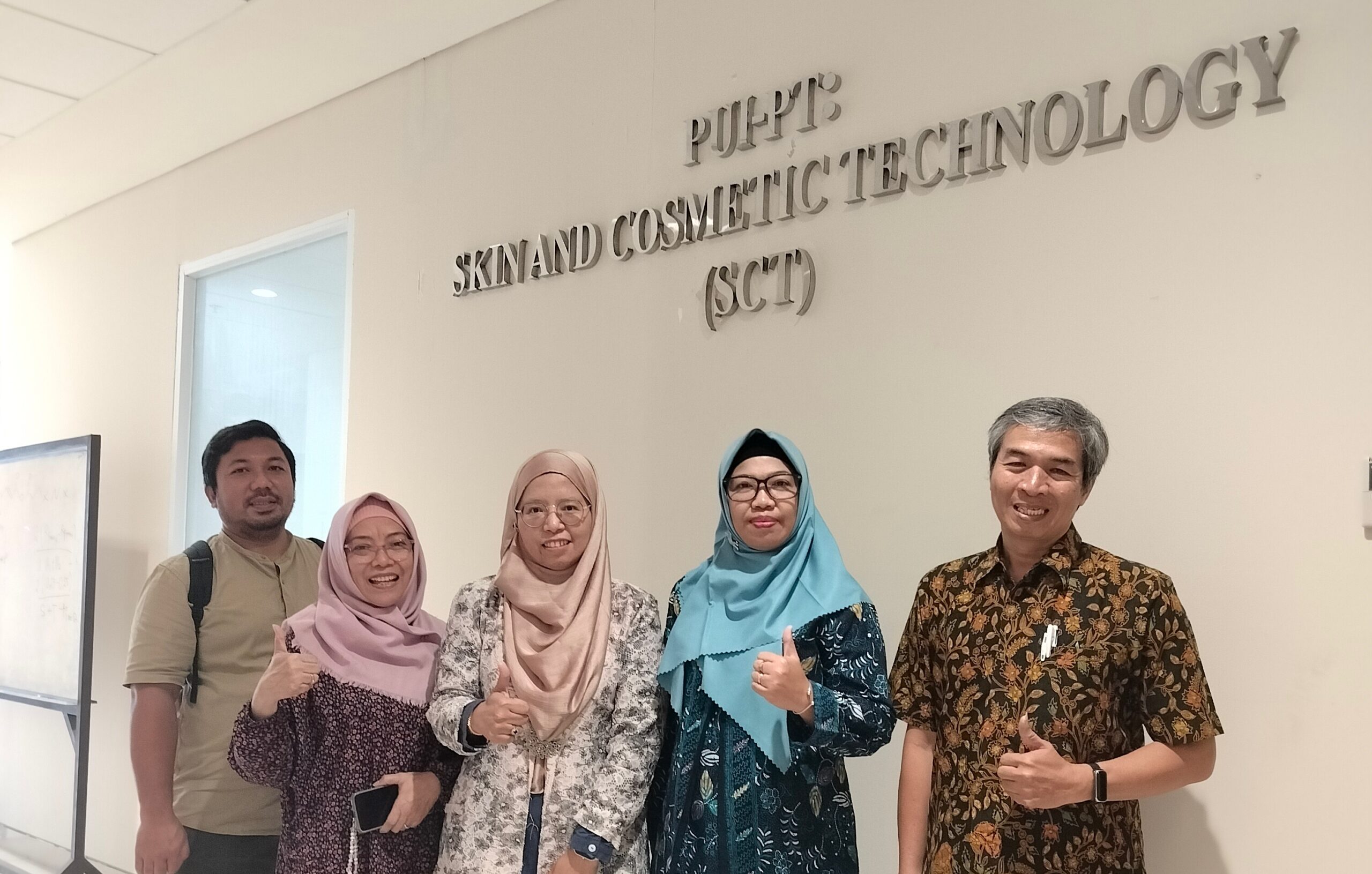
During her research stint, Dr. Siti collaborated closely with scholars from the Skin and Cosmetic Technology (SCT) Centre of Excellence, Faculty of Pharmacy, UNAIR. The collaboration resulted in three research publications.
One SCOPUS-indexed article in Jurnal Tribologi on tactile friction analysis using serum-based anthocyanin gels applied to PDMS artificial skin.
Two collaborative papers published in Jurnal Farmasi dan Ilmu Kefarmasian Indonesia (JFIKI).
“My experience at UNAIR highlighted the value of interdisciplinary exchange. It gave me a clearer view of how regional collaboration could evolve into something globally impactful,” she shared.
Now, Dr. Siti is set to continue and expand her work at Kumamoto University, Japan, a globally recognised institution in surface engineering and tribology in June 2025, after securing a second international mobility grant under the UniKL Global Research Mobility Programme.
Her upcoming programme will involve collaborative lab research under the guidance of Professor Yoshitaka, hands-on training with high-end tribological instruments, and participation in joint seminars and symposiums focused on tactile friction and surface wear.
She will also co-develop a SCOPUS-indexed journal article in collaboration with Kumamoto researchers.
The work initiated in Indonesia will be further elevated using the advanced precision instruments and surface analysis capabilities available in Japan.
The Surface Engineering Lab and Tribology Lab at Kumamoto University provide the ideal environment to conduct deeper investigations into skin-interface dynamics, research with promising applications in cosmetic and skincare formulations.
Through this growing international research network, Dr. Siti aims to position UniKL as a regional hub for green tribological innovation in Southeast Asia.
“This continuity, from Indonesia to Japan demonstrates UniKL’s commitment to nurturing researchers who think beyond borders. We’re building a knowledge pipeline that begins in ASEAN and reaches global audiences,” she noted.