
Universiti Kuala Lumpur (UniKL) is exploring new opportunities to contribute to Malaysia’s defence technology and industrial capabilities through potential collaborations in advanced engineering, research and development (R&D), and technical workforce development.
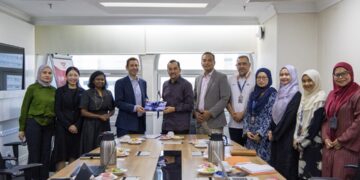
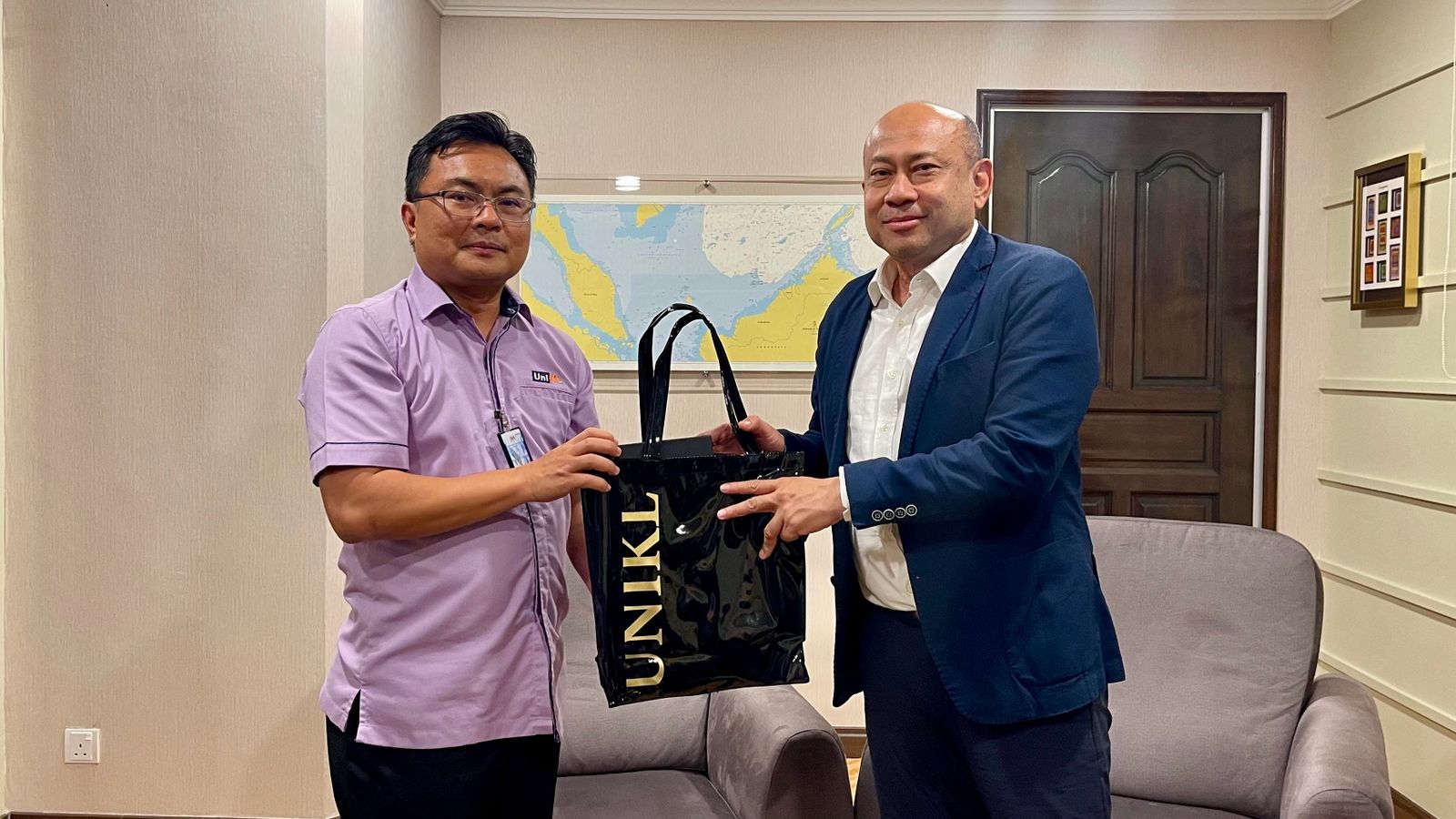
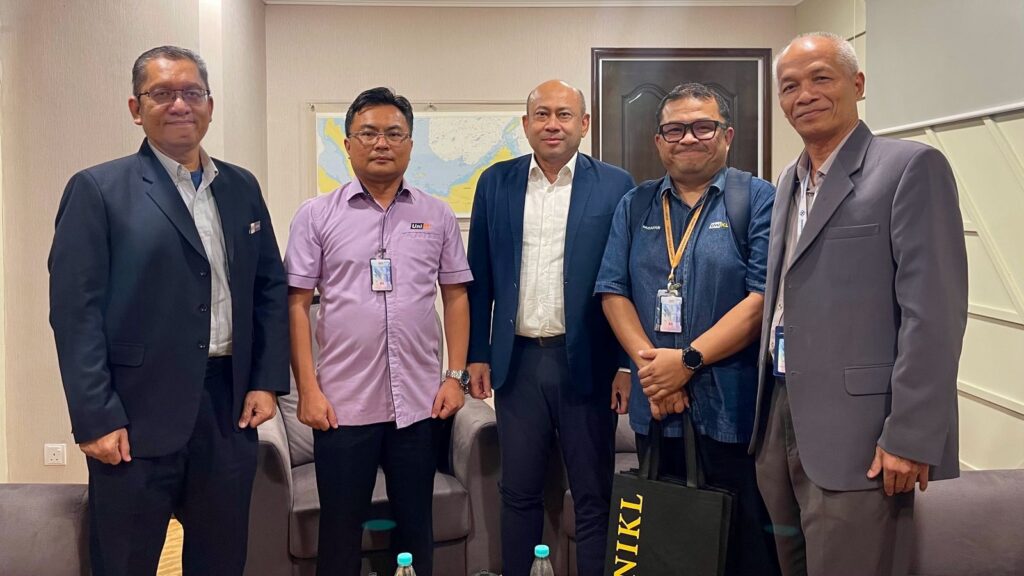
The opportunities were discussed during a courtesy visit by the UniKL Vice-Chancellor, Prof. Dr. Kushsairy Abdul Kadir to Datuk Yani Daud, Deputy Secretary-General (Policy) of the Ministry of Defence (MINDEF), on 3 November 2026, at the ministry’s Deputy Secretary-General (Policy) Office.
The engagement focused on strengthening potential cooperation in Technical and Vocational Education and Training (TVET), defence-related R&D, technology commercialisation and human capital development, leveraging UniKL’s expertise as an industry-focused technical university.
A key area of discussion was UniKL’s specialised engineering capabilities, particularly through Universiti Kuala Lumpur Malaysian Institute of Aviation Technology (UniKL MIAT) and Universiti Kuala Lumpur Malaysian Institute of Marine Engineering Technology (UniKL MIMET).
UniKL MIAT’s aviation training facilities and UniKL MIMET’s shipbuilding expertise, supported by its experience in maritime projects, were highlighted as potential foundations for future defence-related research, technical training and industry collaboration.
Among the proposed initiatives was a collaboration between UniKL MIMET and the Science and Technology Research Institute for Defence (STRIDE) to evaluate uncrewed surface vessel (USV) technology developed by Ocean Infinity.
The proposed collaboration presents an opportunity to explore advanced maritime technologies and their potential applications within Malaysia’s defence ecosystem, particularly in areas related to autonomous marine systems and technological innovation.
The discussions also explored opportunities for defence innovation hackathons, defence literacy programmes and industry partnerships through CDIM, aimed at encouraging greater engagement between academia, industry and the defence sector.
In addition, potential Accreditation of Prior Experiential Learning (APEL) pathways were discussed as a means of recognising existing competencies and supporting further educational and professional development opportunities for MINDEF personnel.
During the meeting, MINDEF encouraged UniKL to submit strategic proposals through the Defence Industry Portal (PIP) for further consideration, providing a potential avenue to advance the initiatives discussed.
The engagement reflects UniKL’s continuing efforts to strengthen collaboration with government agencies and industry stakeholders, connecting its technical education, engineering expertise and research capabilities with national development priorities.
It also reinforces the university’s commitment to developing industry-relevant talent and exploring opportunities for students, researchers and technical specialists to contribute to emerging areas of defence technology and innovation.
The initiative aligns with the United Nations Sustainable Development Goals (SDGs), particularly SDG 4: Quality Education, through technical education and lifelong learning; SDG 9: Industry, Innovation and Infrastructure, through potential defence technology research and innovation; and SDG 17: Partnerships for the Goals, through strategic engagement between academia and government.