

Malaysian students could soon have a new pathway to pursue accounting education across two countries, as Majlis Amanah Rakyat (MARA), Universiti Kuala Lumpur (UniKL) and the University of Melbourne advance plans for a Global Degree Programme (GDP) that connects academic learning in Malaysia and Australia.
The proposed programme introduces a 1+2 dual-degree structure, allowing students to complete their first year at UniKL before continuing the remaining two years at the University of Melbourne, subject to the finalisation of programme arrangements.
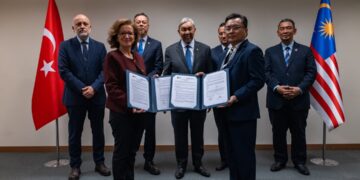
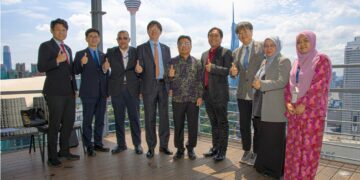
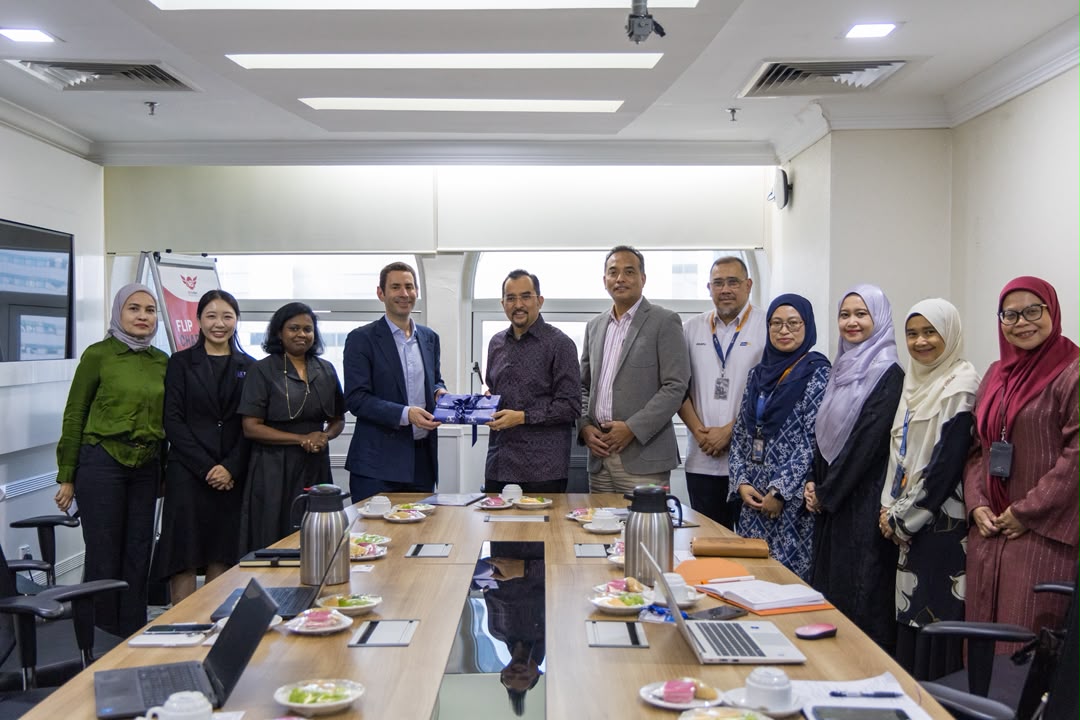
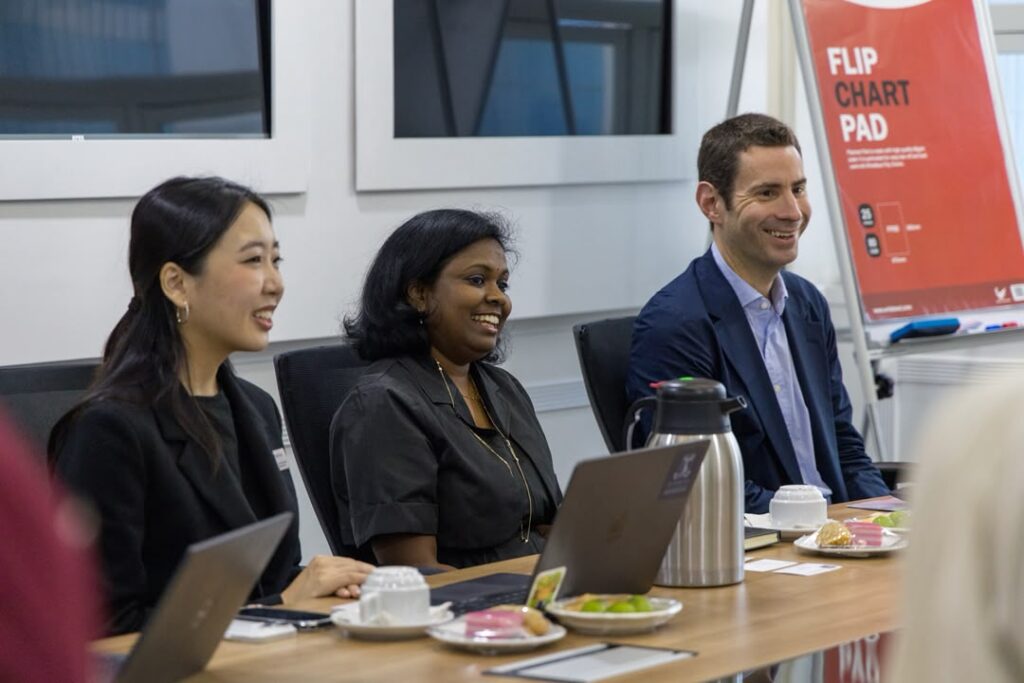
The initiative took centre stage during a strategic collaboration meeting held at MARA Headquarters on 30 October 2026, bringing together senior representatives from MARA, UniKL, the University of Melbourne and the State Government of Victoria, Australia.
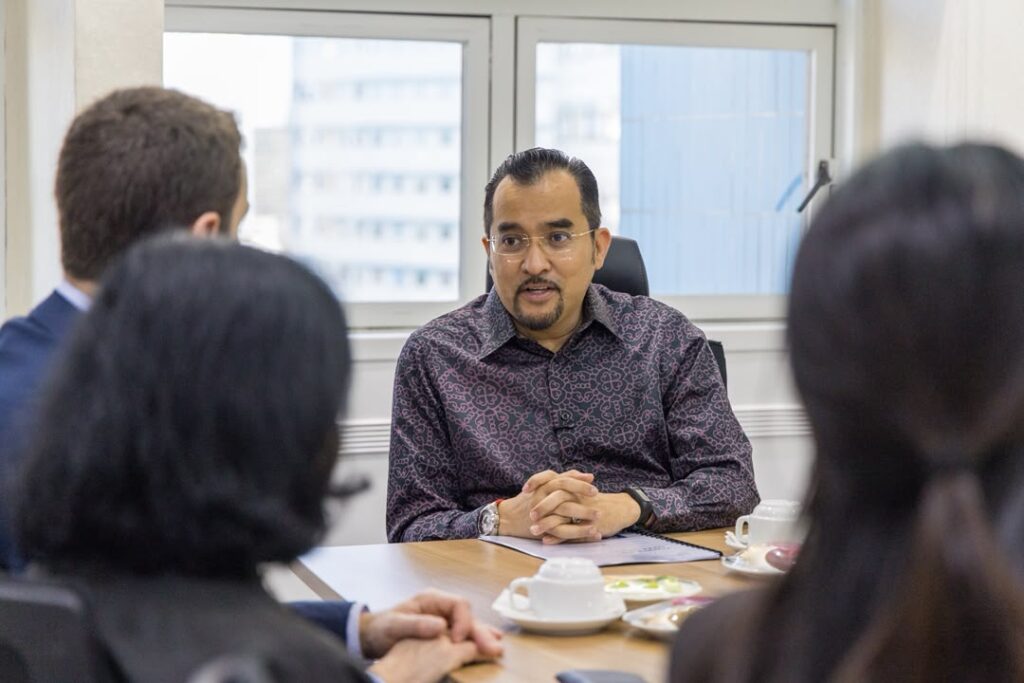
Following the successful completion of academic mapping, discussions focused on formalising the accounting pathway while identifying further opportunities in international academic collaboration, student mobility, industry engagement and graduate employability.
The proposed Global Degree Programme represents an important step in expanding international higher education opportunities through structured academic collaboration between Malaysia and Australia.
By combining academic experiences at UniKL and the University of Melbourne, the pathway is designed to provide students with international exposure while developing the knowledge and competencies needed to navigate an increasingly interconnected business environment.
The collaboration also brings together UniKL’s industry-oriented approach to education and the University of Melbourne’s established academic expertise in business and economics.
The University of Melbourne was ranked 24th globally for Accounting and Finance in the QS World University Rankings by Subject 2026, highlighting its international standing in a discipline central to the proposed collaboration.
Beyond academic progression, the discussions explored opportunities for student internships, employability initiatives and broader engagement with Australian industry and government stakeholders.
These potential initiatives could complement classroom learning with international professional exposure, supporting the development of graduates equipped for changing expectations in accounting, finance and business.
The high-level engagement was led by MARA Chairman Datuk Wira Dr. Asyraf Wajdi Dato’ Haji Dusuki and MARA Director-General Ir. Dr. Mahzan Teh, reflecting the importance of international educational partnerships within MARA’s talent development agenda.
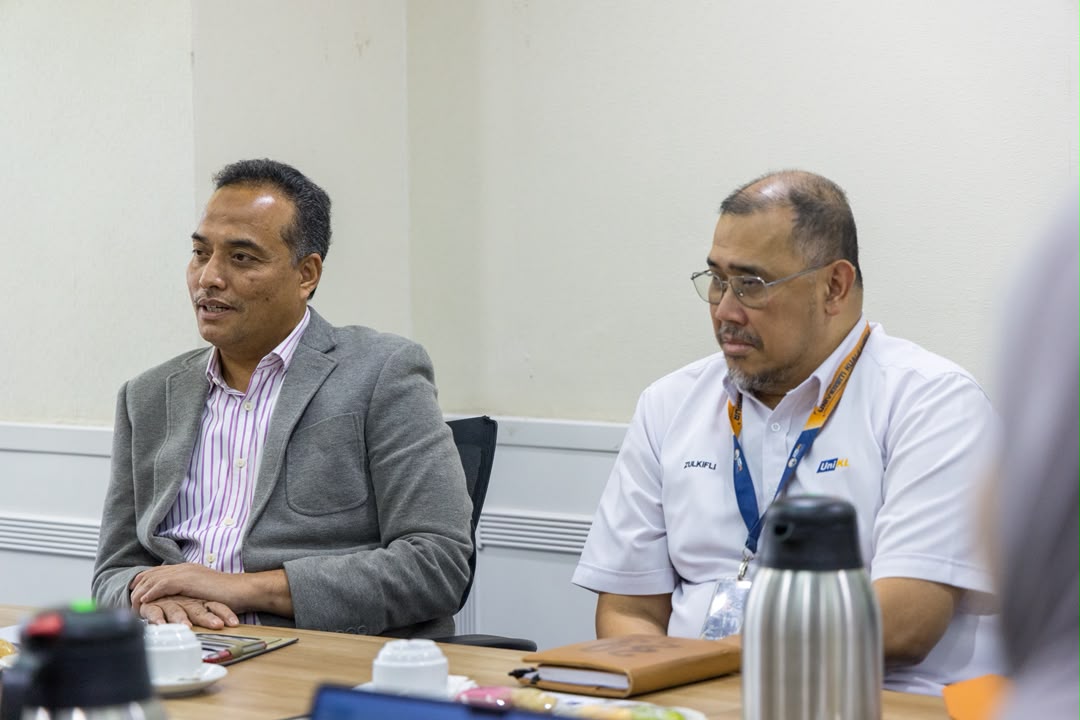
Representing UniKL were Deputy Vice-Chancellor Ts. Dr. Zulkifli Mahmoodin and Assoc. Prof. Ts. Dr. Izanoordina Ahmad, Director of the Centre for Preparatory Studies (CPS).
They were joined by Dr. Azizan Mohamed Isa, Dean of UniKL Business School; Dr. Haslina Hassan, Head of the Accounting Section; and Dr. Noor Azaliah, Global Degree Programme Coordinator.
The University of Melbourne delegation was represented by Prof. Serge da Motta Veiga, Dean of the Faculty of Business and Economics, and Ms Melissa Chow, Country Manager.
The State Government of Victoria was represented by Ms Aananthi Seventhy, Regional Director, Education Services, Southeast Asia.
While the accounting pathway formed the central focus of the meeting, discussions also explored the potential to extend academic cooperation into other programmes offered by UniKL and MARA’s Technical and Vocational Education and Training (TVET) institutions.
Areas of interest included international student mobility, expanded academic partnerships and collaborative initiatives connecting education with industry needs.
Such opportunities could create additional pathways for students to gain international learning experiences while strengthening the relationship between technical education, academic development and professional readiness.
The proposed collaboration aligns with the United Nations Sustainable Development Goals (SDGs), particularly SDG 4: Quality Education, through international higher education opportunities; SDG 8: Decent Work and Economic Growth, through the exploration of internship and employability initiatives; and SDG 17: Partnerships for the Goals, through cooperation involving universities and government stakeholders.