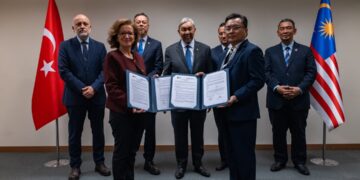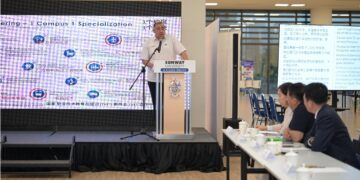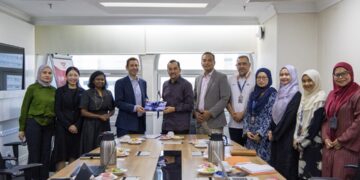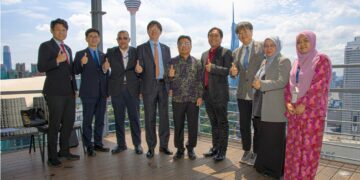


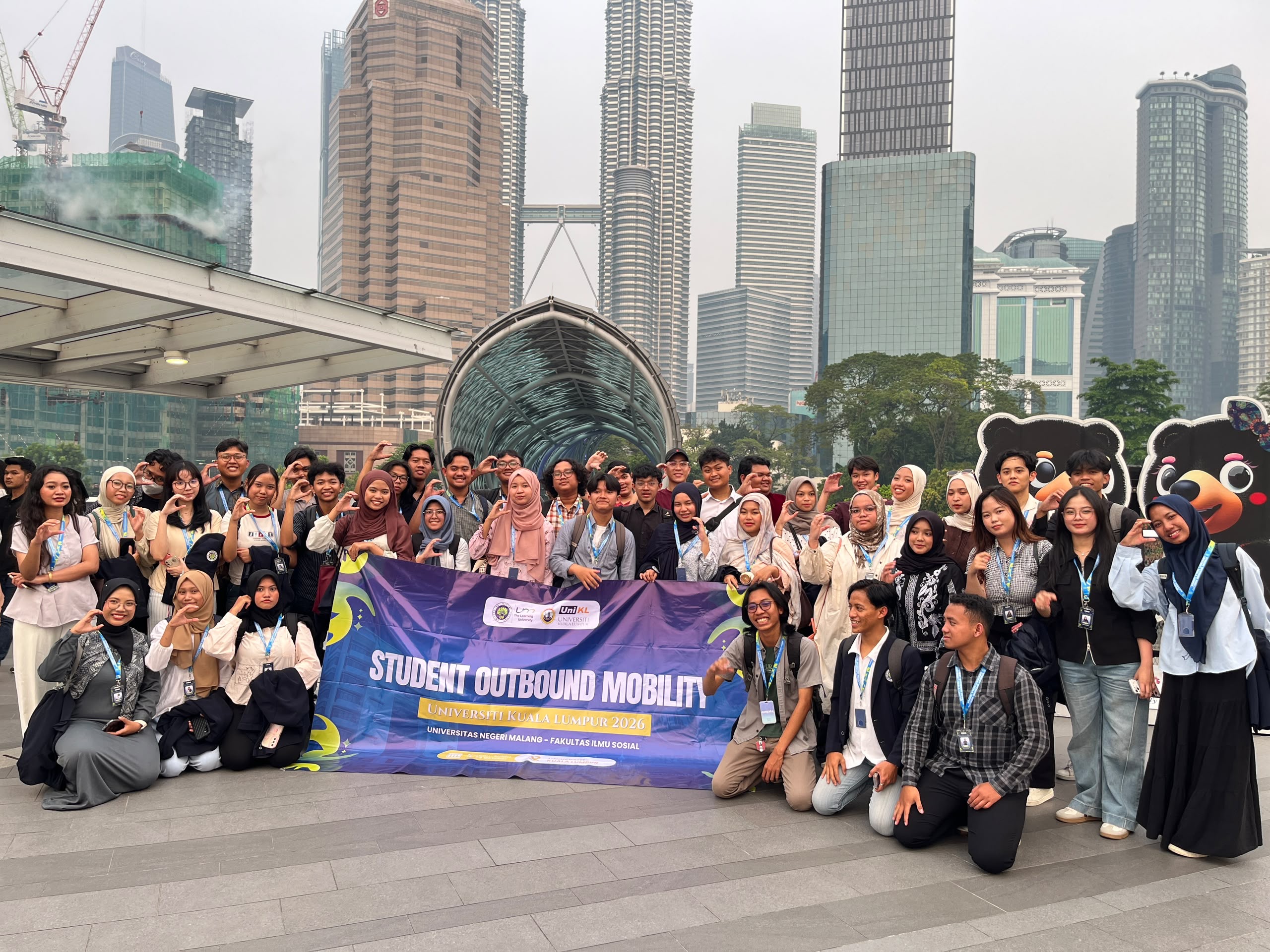
This spirit of global learning took centre stage as Universiti Kuala Lumpur (UniKL) Business School welcomed students and accompanying lecturers from Universitas Negeri Malang, Indonesia, for International Summer Camp 2026, held from 18 to 24 October 2026 in Kuala Lumpur.
Themed “Beyond Borders, Building Connections,” the week-long programme brought Malaysian and Indonesian students together through academic lectures, collaborative projects, student leadership activities and cultural experiences, strengthening educational ties between the two ASEAN neighbours.
Organised by UniKL Business School at its Quill City Mall campus, the initiative reflected the university’s commitment to internationalisation, cross-cultural education and experiential learning while providing students with opportunities to develop competencies relevant to an increasingly interconnected world.
Throughout the programme, participants engaged in academic lectures, interactive discussions and collaborative group projects designed to encourage knowledge exchange, teamwork and cross-cultural understanding.
The academic sessions were complemented by student leadership sharing activities, allowing participants from both universities to exchange perspectives, learn from one another and strengthen their interpersonal communication skills.
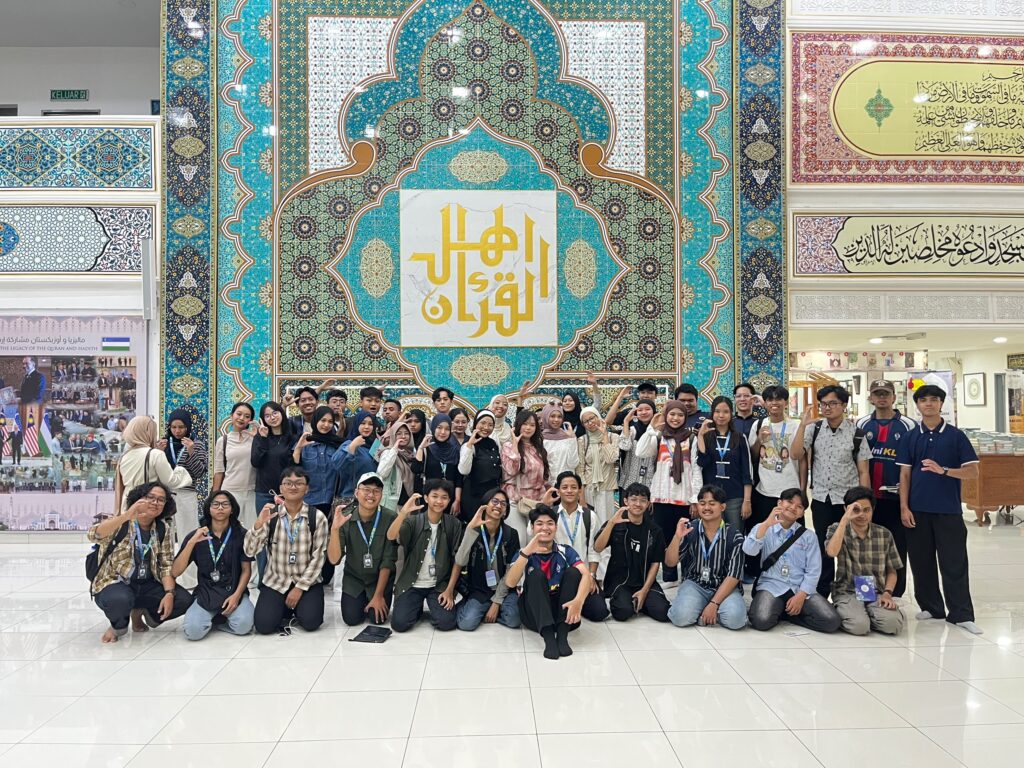
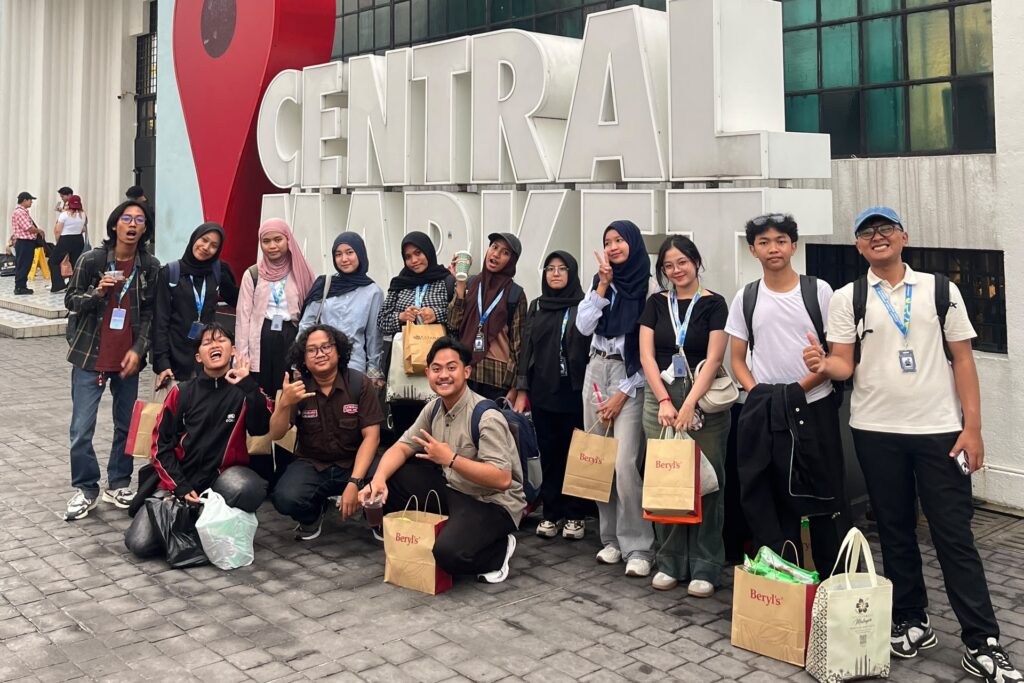
Beyond the academic setting, the Indonesian delegation experienced Malaysia’s cultural and educational landscape through organised visits around Kuala Lumpur and Putrajaya, including Kompleks Nasyrul Quran.
These activities provided opportunities for participants to appreciate different cultural perspectives while developing meaningful connections with their Malaysian counterparts.
The programme concluded with group presentations, certificate and award presentations, and an official closing ceremony recognising participants’ engagement and contributions throughout the week.
One of the programme’s distinctive features was its student-led approach, with Muhammad Harith Ramizan, a Semester 7 Bachelor of Business Administration (Hons) in International Business student, serving as Programme Director.
As an Executive Committee member of UniKL Business School’s Student Representative Committee (SRC), Muhammad Harith had previously gained experience organising university activities.
For Muhammad Harith, the experience demonstrated that leadership is not simply about managing responsibilities but also about bringing people together towards a common purpose.
“This programme taught me that leadership is not about what we can achieve individually, but about what we can accomplish together,” he reflected.
Beyond the operational challenges, seeing Malaysian and Indonesian students form friendships and exchange ideas became one of the most meaningful aspects of his experience.
The international programme was supported by UniKL Business School’s academic leadership, including Dr. Azizan Mohamed Isa, Dean of UniKL Business School, and Ms. Aminatul Hawa Yahaya, Deputy Dean of Student Development and Campus Lifestyle.
Academic contributions were provided by Dr. Fauzi Marzuki and Dr. Sharina Osman, while the delegation from Universitas Negeri Malang was accompanied by Dr. Elya Kurniawati and Ms. Alfi Sahrina.
The programme also received support from Ms. Lili Susanti Samsurijal, Head of the International Partnership Section, alongside Mr. Maizul Hisham Abdul Malek from MESRA, the Student Representative Committee, USTAR Team, Tourism Team and the organising committee.
Through these collaborative efforts, the programme strengthened academic engagement between UniKL Business School and Universitas Negeri Malang while creating opportunities for international networking and future student mobility initiatives.
International Summer Camp 2026 reflects UniKL’s broader efforts to strengthen global academic engagement while providing students with meaningful learning experiences beyond conventional classrooms.
The programme also supports the United Nations Sustainable Development Goals (SDGs), particularly SDG 4: Quality Education, through experiential learning, student development and cross-cultural education, and SDG 17: Partnerships for the Goals, through international academic cooperation between Malaysian and Indonesian higher education institutions.
Its emphasis on practical leadership and professional competencies also relates to SDG 8: Decent Work and Economic Growth, particularly in preparing students with transferable skills relevant to future employment.