
Inclusivity must be placed at the heart of Technical and Vocational Education and Training (TVET) empowerment to ensure it remains accessible to underprivileged and marginalised communities.
While TVET has emerged as a critical tool for socio-economic mobility, particularly across ASEAN countries, strengthening and empowering the ecosystem remains a top priority, said Universiti Kuala Lumpur (UniKL) President and Chief Executive Officer, Prof. Ir. Dr Azman Senin.
“TVET is a game-changer for rural communities. As one of the institutions under Majlis Amanah Rakyat (MARA), UniKL’s contribution, though modest, is part of a broader effort to support the nation’s economic transformation,” he said.
He added that UniKL carries a strong responsibility to ensure a steady pipeline of graduates is nurtured and channelled into strategic and high-impact industries.
“Currently, about 40 percent of UniKL students come from rural backgrounds, with household incomes averaging around US$700 (below RM3,000) per month,” he said.
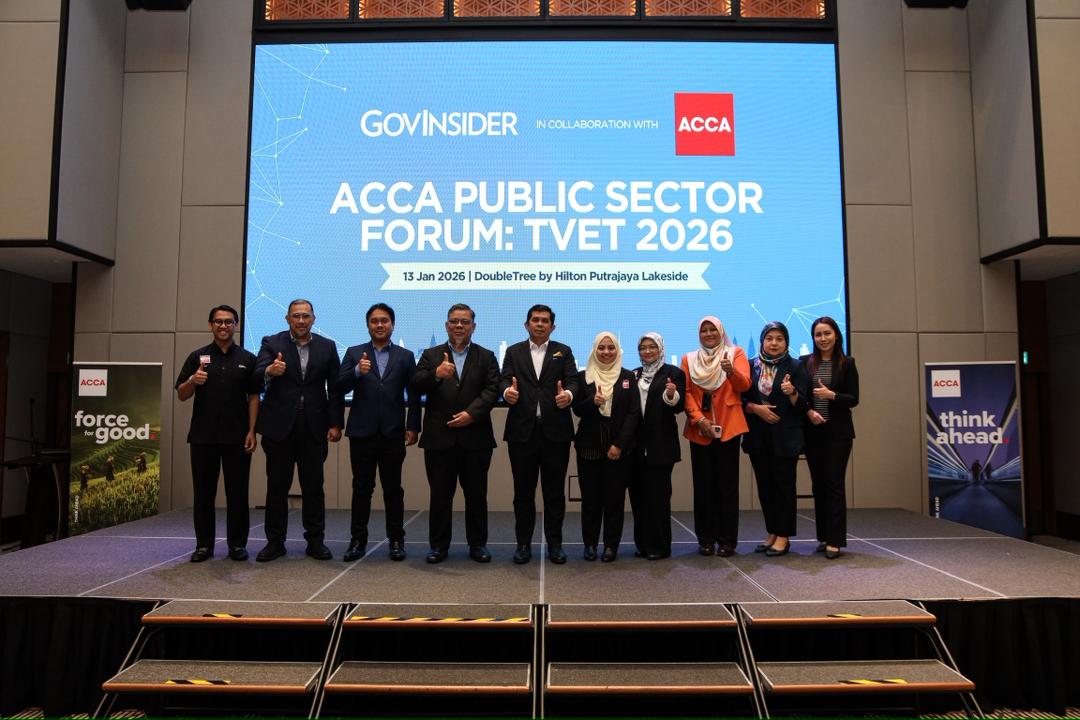
Prof. Ir. Dr Azman was a keynote speaker at the ACCA Public Sector Forum: TVET 2026, held on 13 January 2026.
Highlighting the global context, he noted that the rural population worldwide stood at an average of 37.18 percent in 2023, with Sri Lanka recording one of the highest proportions at 80.79 percent.
Emphasising TVET as a key mechanism to eradicate rural poverty, Prof. Ir. Dr Azman stressed that countries must invest in enabling infrastructure such as roads, internet connectivity, and electricity.
He also underscored the importance of leveraging mobile and digital technologies, alongside developing context-specific policies that recognise the diversity of rural communities.
“These efforts are essential to achieving equitable education access for rural populations across ASEAN,” he said.
According to him, providing open access and equal opportunities to TVET education is a shared responsibility of nations, and UniKL has remained committed to this mission for more than two decades.
With 12 campuses nationwide, each dedicated to a specific area of specialisation, UniKL plays a pivotal role in creating clear pathways into strategic, high-value, and high-growth industries, particularly for students from rural and underserved communities.
This mandate is closely aligned with the broader mission of the United Nations Sustainable Development Goals (SDGs), particularly SDG 1 (No Poverty), SDG 4 (Quality Education), SDG 8 (Decent Work and Economic Growth), and SDG 10 (Reduced Inequalities).
Note: In line with Malaysia’s aspiration to achieve the Sustainable Development Goals (SDGs), Universiti Kuala Lumpur (UniKL) continues to strengthen and amplify its efforts across various initiatives. This article specifically supports SDG 1 (No Poverty), SDG 4 (Quality Education), SDG 8 (Decent Work and Economic Growth), and SDG 10 (Reduced Inequalities).