

Universiti Kuala Lumpur (UniKL) strengthened its international academic and industry engagement through Polish Day 2026, bringing together representatives from Poland and Malaysia to explore opportunities in railway technology, advanced manufacturing, research and innovation.
Held on 21 October 2026 at UniKL Malaysia Italy Design Institute (UniKL MIDI), the programme, themed “Celebrating Polish Arts, Culture and Industry Collaboration”, was organised in collaboration with the Embassy of the Republic of Poland in Malaysia and Kielce University of Technology (KUT), Poland.
The event was graced by His Excellency Mr. Krzysztof Dobrowolski, Ambassador Extraordinary and Plenipotentiary of the Republic of Poland to Malaysia, reflecting the growing importance of academic diplomacy and cross-border industry partnerships between the two countries.
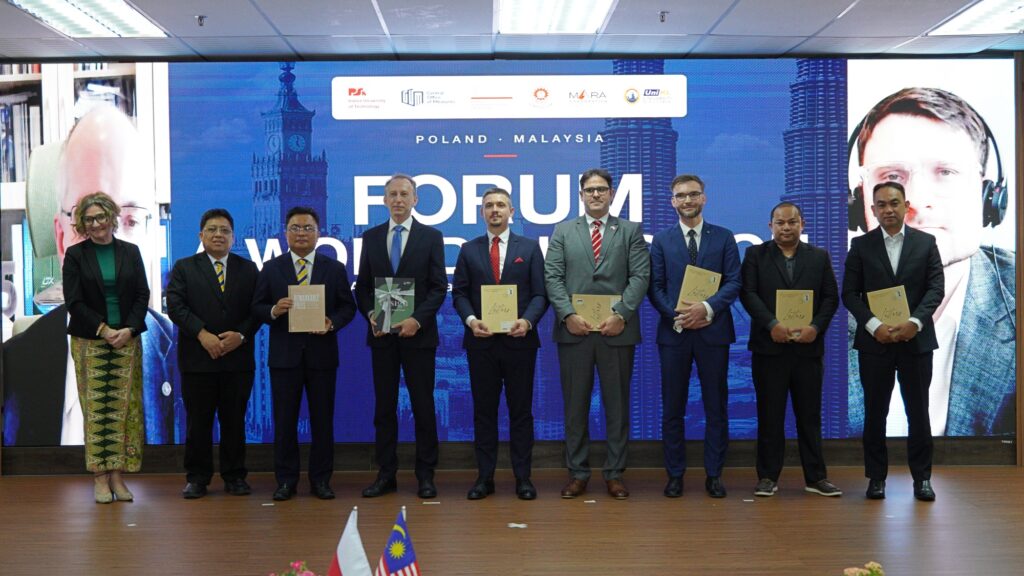
Polish Day 2026 built upon the longstanding relationship between UniKL and KUT, which has spanned nearly eight years through joint technical seminars, collaborative research, academic publications, and staff and student mobility under the Erasmus+ programme.
The collaboration has evolved beyond academic exchanges to include closer engagement with industry partners, creating opportunities for knowledge transfer, applied research and technological innovation.
In his welcoming address, UniKL Vice-Chancellor Prof. Dr. Kushsairy Abdul Kadir emphasised the importance of international academic and industry collaboration in preparing graduates for an increasingly technology-driven global economy.
He highlighted that the longstanding partnership between UniKL and Kielce University of Technology has evolved through joint technical seminars, collaborative research, academic publications, and staff and student mobility under the Erasmus+ programme.

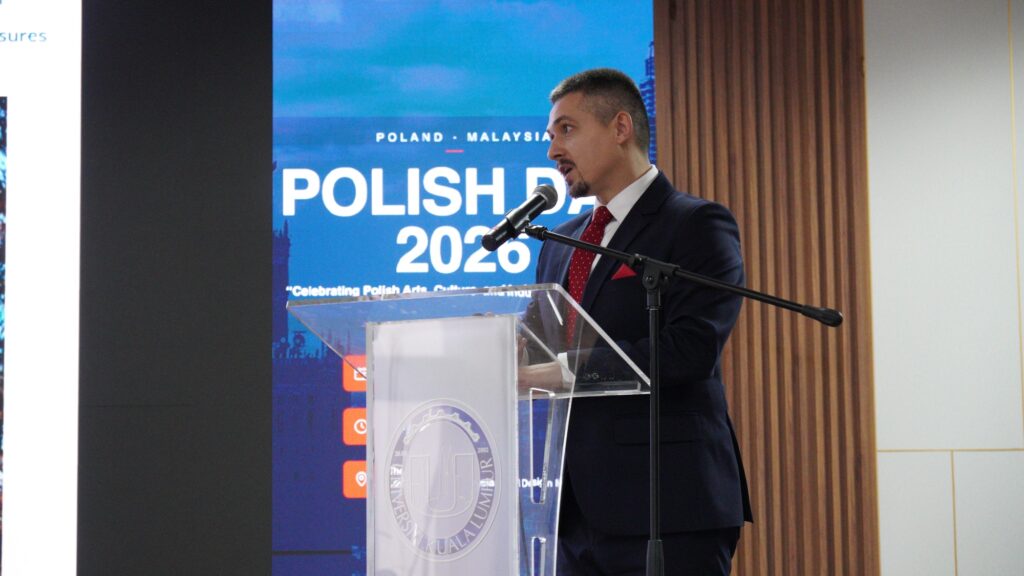
Meanwhile, His Excellency Mr. Krzysztof Dobrowolski, Ambassador Extraordinary and Plenipotentiary of the Republic of Poland to Malaysia, highlighted the importance of Polish Day 2026 as a platform for strengthening economic diplomacy and expanding cooperation between academia and industry in both countries.
He drew attention to the transformation of the global transportation industry, particularly the growing investments in railway infrastructure, and the opportunities this presents for Polish and Malaysian businesses to exchange expertise and explore potential partnerships.
He further highlighted Poland’s interest in strengthening collaboration through student exchanges, joint research and implementation projects, alongside greater engagement between universities and technology-driven industries.
The programme also complemented the ongoing Transport Expo Asia 2026 in Kuala Lumpur, reinforcing the potential for closer cooperation between Polish and Malaysian organisations in transportation technology, advanced manufacturing and industrial innovation.
It brought together Polish academics, technology specialists and representatives from industries in both countries, with discussions covering railway technology, metalworking, welding, automation, robotics, additive manufacturing and 3D printing.
These fields are closely aligned with UniKL’s emphasis on Technical and Vocational Education and Training (TVET), applied engineering education and industry-relevant skills development.
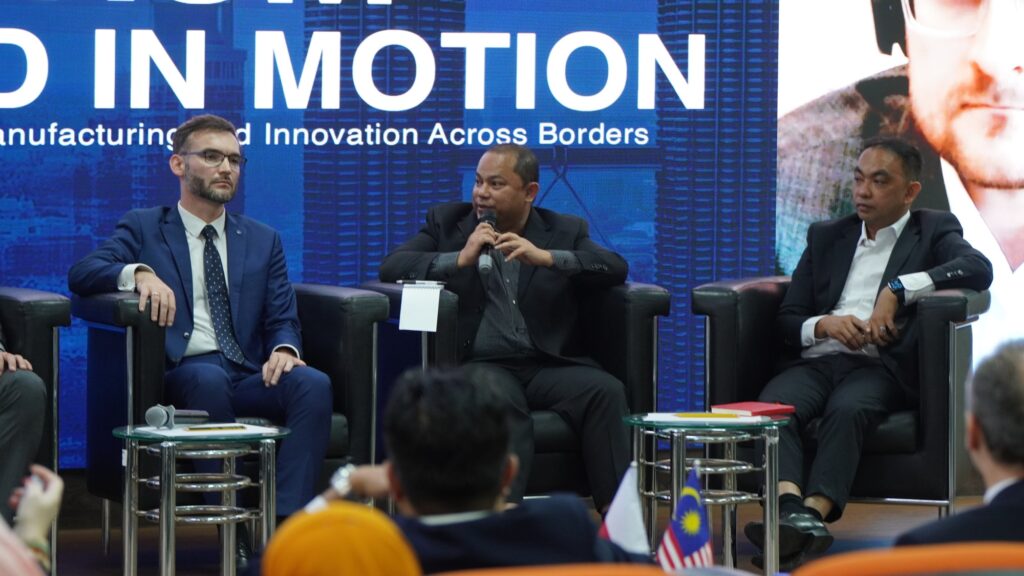
The programme also featured technical presentations, a forum involving experts from Malaysia and Poland, and online presentations by Polish industry representatives.
Discussions explored the application of modern technologies in transportation and manufacturing, alongside opportunities for joint research, technology transfer and industry collaboration.
The event also brought together strategic industry partners, including Prasarana Malaysia Berhad, Keretapi Tanah Melayu Berhad (KTMB), DMIA, TÜV Malaysia, Railtech, Hartasuma, Kuasa Rail and Xcel Itech.

Their involvement reflected the importance of connecting academic research with industry expertise to support technological development and enhance graduate employability.
The initiative reflects UniKL’s contributions towards the United Nations Sustainable Development Goals, particularly SDG 4 (Quality Education), SDG 9 (Industry, Innovation and Infrastructure) and SDG 17 (Partnerships for the Goals), through international academic cooperation, technical knowledge exchange and industry partnerships.