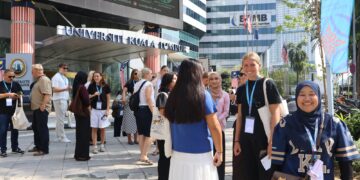


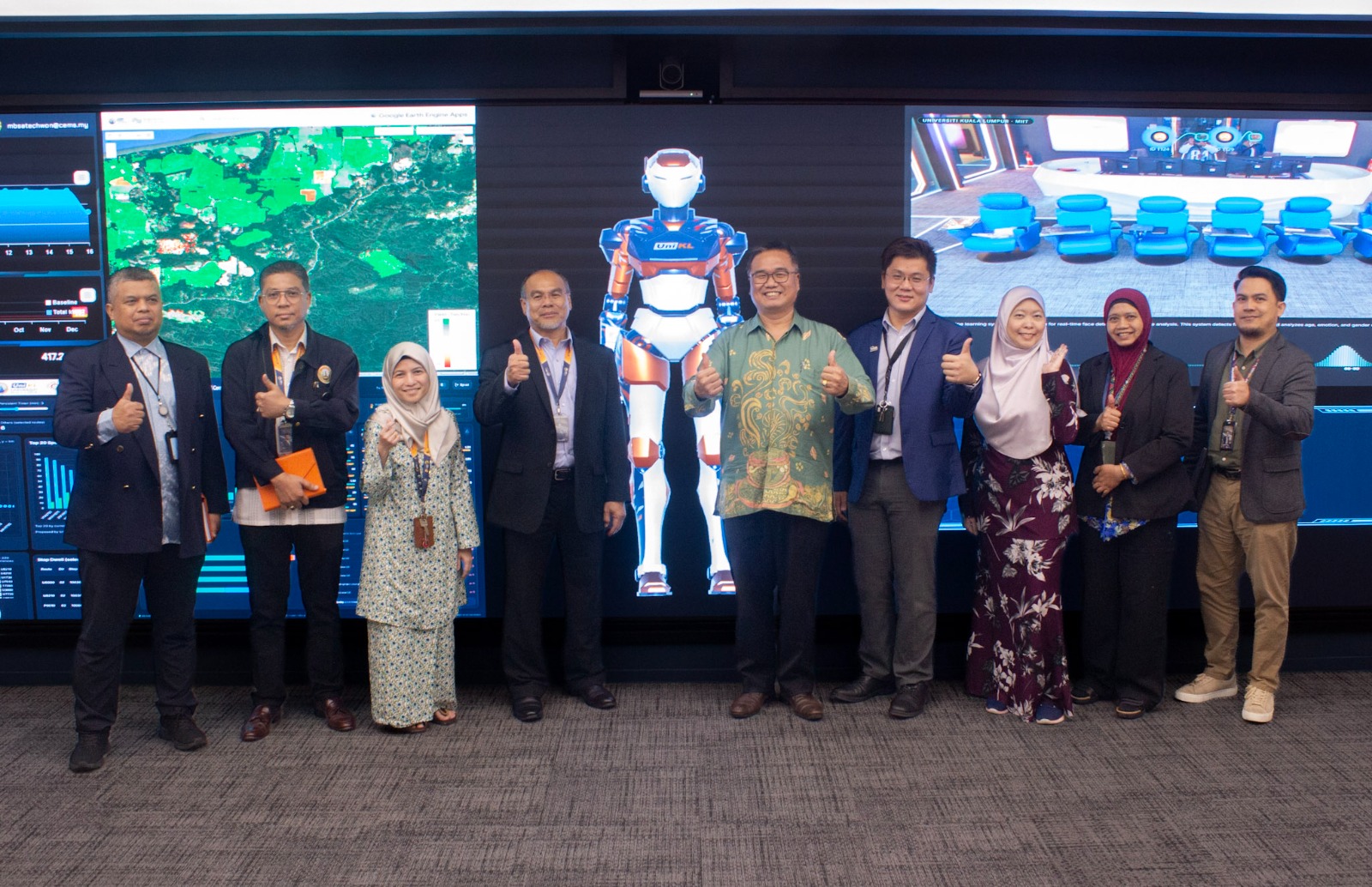
Universiti Kuala Lumpur (UniKL) is exploring new opportunities to combine technical and vocational education and training (TVET), artificial intelligence (AI) and immersive digital technologies to support the preservation and promotion of Malaysia’s Peranakan heritage.
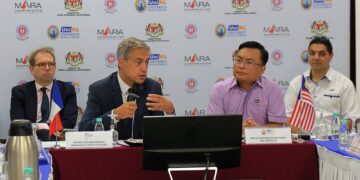
Through its Centre for Research and Innovation (CoRI), UniKL welcomed YBhg. Datuk Ronald Gan Yong Hoe, President of Persatuan Peranakan Baba Nyonya Malaysia, for a courtesy visit and strategic discussion on potential collaboration in cultural heritage preservation, community empowerment and digital innovation.
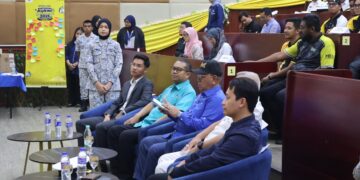
The engagement was chaired by UniKL Deputy Vice-Chancellor (Research and Enterprise), Prof. Ir. Dr. Azmi Hassan, who highlighted the university’s commitment to building partnerships that connect academic expertise, emerging technologies and community development.
The delegation also visited UniKL’s Centre for Knowledge, Artificial Intelligence, Learning and Automation (KAILA), where members were introduced to UniKL’s research, innovation and technology ecosystem.
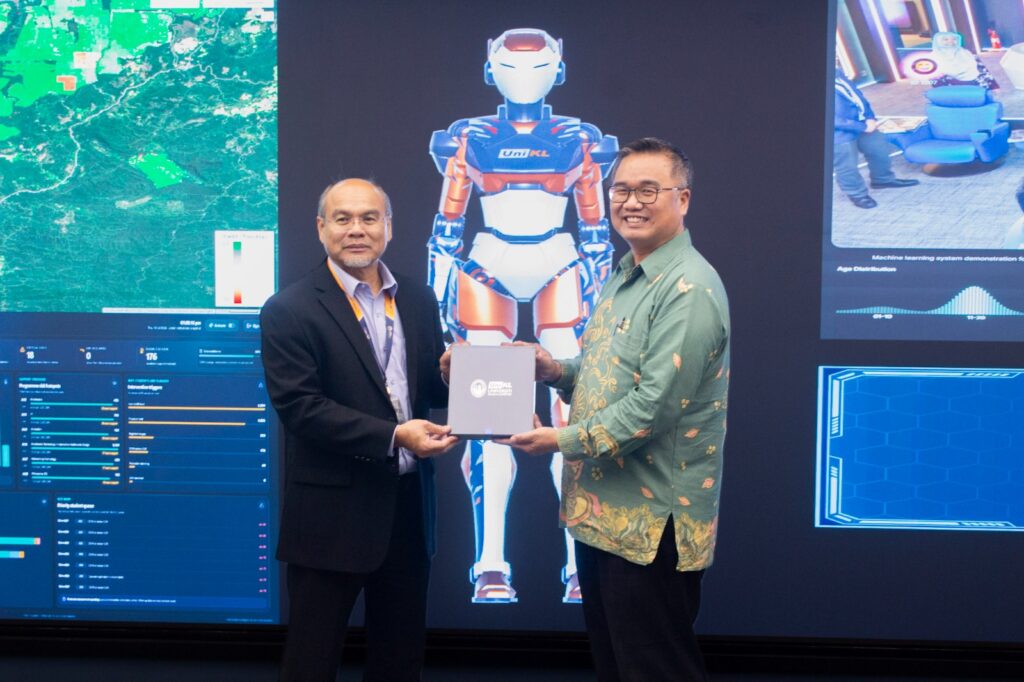
The visit showcased UniKL’s capabilities in translating applied research and technological expertise into practical solutions that can benefit industries, communities and society.
Discussions focused on potential collaboration involving artificial intelligence (AI), virtual reality (VR), augmented reality (AR), animation and other immersive technologies to document, preserve and promote Malaysia’s Peranakan cultural heritage.
These technologies could be used to digitally recreate heritage environments, record traditional knowledge, showcase cultural practices and provide more interactive ways for younger generations and international audiences to experience Baba Nyonya history, identity and traditions.
UniKL Malaysian Institute of Information Technology (UniKL MIIT) was identified as a potential contributor to the collaboration through its expertise in information technology, digital media, creative technology and technology-based education.
The proposed partnership could also support the digital documentation of traditional crafts, clothing, cuisine, architecture, language and community practices that form an important part of Malaysia’s multicultural heritage.
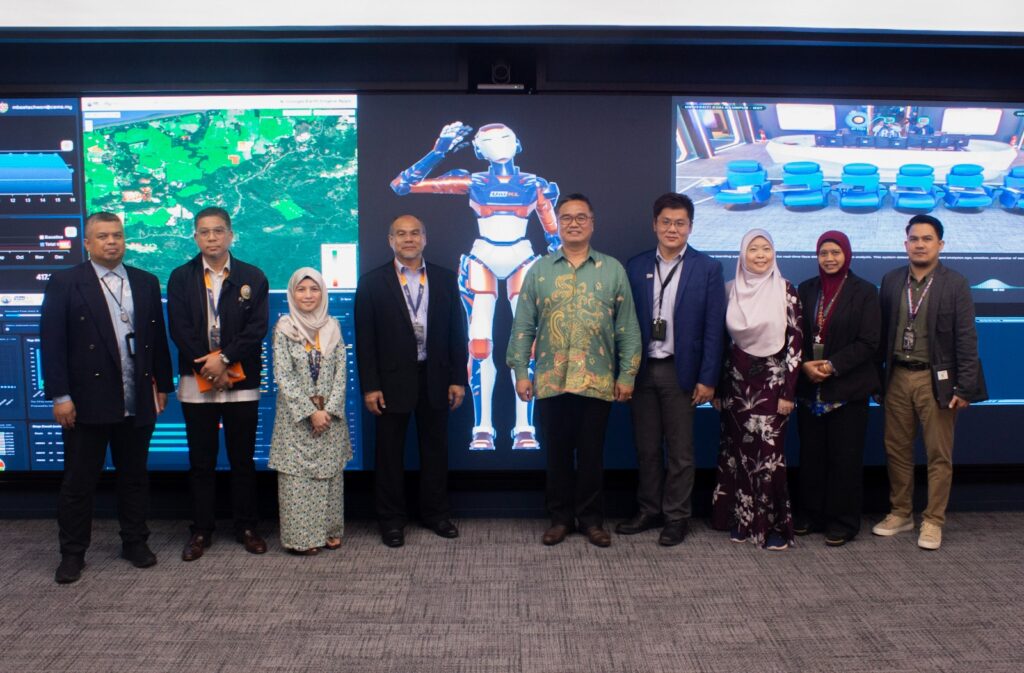
Beyond digital preservation, UniKL and Persatuan Peranakan Baba Nyonya Malaysia discussed the possibility of developing TVET-based training programmes and Knowledge Transfer Programme initiatives for community members.
The programmes could provide practical training in digital content creation, animation, immersive media, heritage documentation and the use of emerging technologies.
Such initiatives would help strengthen digital skills among communities while creating opportunities for traditional knowledge and cultural practices to be preserved through modern, technology-driven approaches.
The collaboration could also enable students and researchers to participate in interdisciplinary projects that combine cultural studies, digital storytelling, artificial intelligence, creative media and applied research.
The initiative aligns with several United Nations Sustainable Development Goals, particularly SDG 4: Quality Education, SDG 9: Industry, Innovation and Infrastructure, SDG 11: Sustainable Cities and Communities, and SDG 17: Partnerships for the Goals.