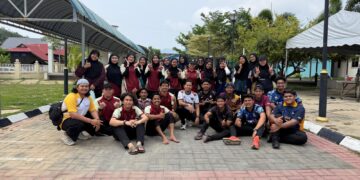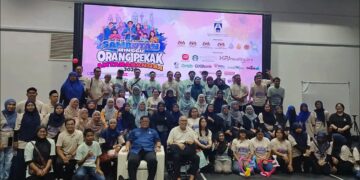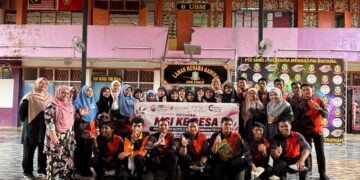


A coastal cleanup became more than an environmental volunteering exercise for 39 students from Universiti Kuala Lumpur Malaysian Spanish Institute (UniKL MSI), as their efforts to remove shoreline waste also contributed valuable data to ongoing marine conservation research.
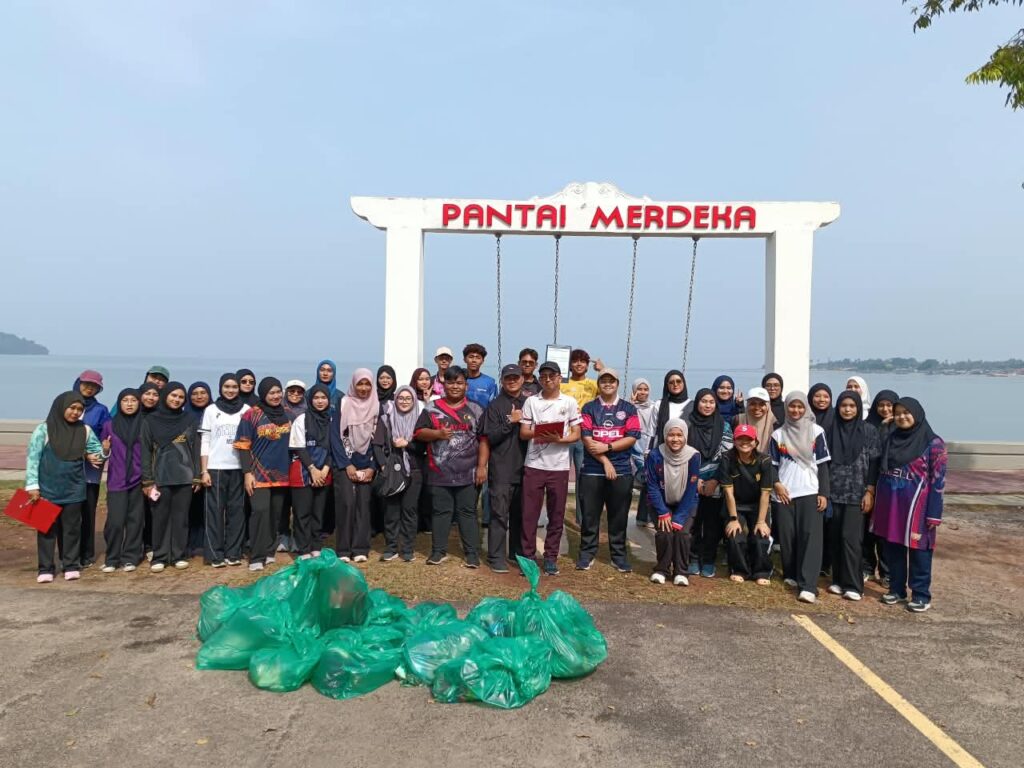
The students, accompanied by an academic staff member, participated in the International Coastal Cleanup 2026 at Pantai Merdeka, Kuala Muda, Kedah, on 17 October 2026, demonstrating how community engagement can extend beyond environmental awareness to support scientific research.
Organised by UniKL MSI’s Foreign Language Club (FLC) in collaboration with the Centre for Marine and Coastal Studies (CEMACS), Universiti Sains Malaysia (USM), the initiative brought together students from various academic programmes under a shared commitment to protecting coastal ecosystems.
Guided by the approach of “Clean, Connect and Conserve,” the programme combined hands-on environmental action, student participation and research-oriented data collection to support broader marine conservation efforts.
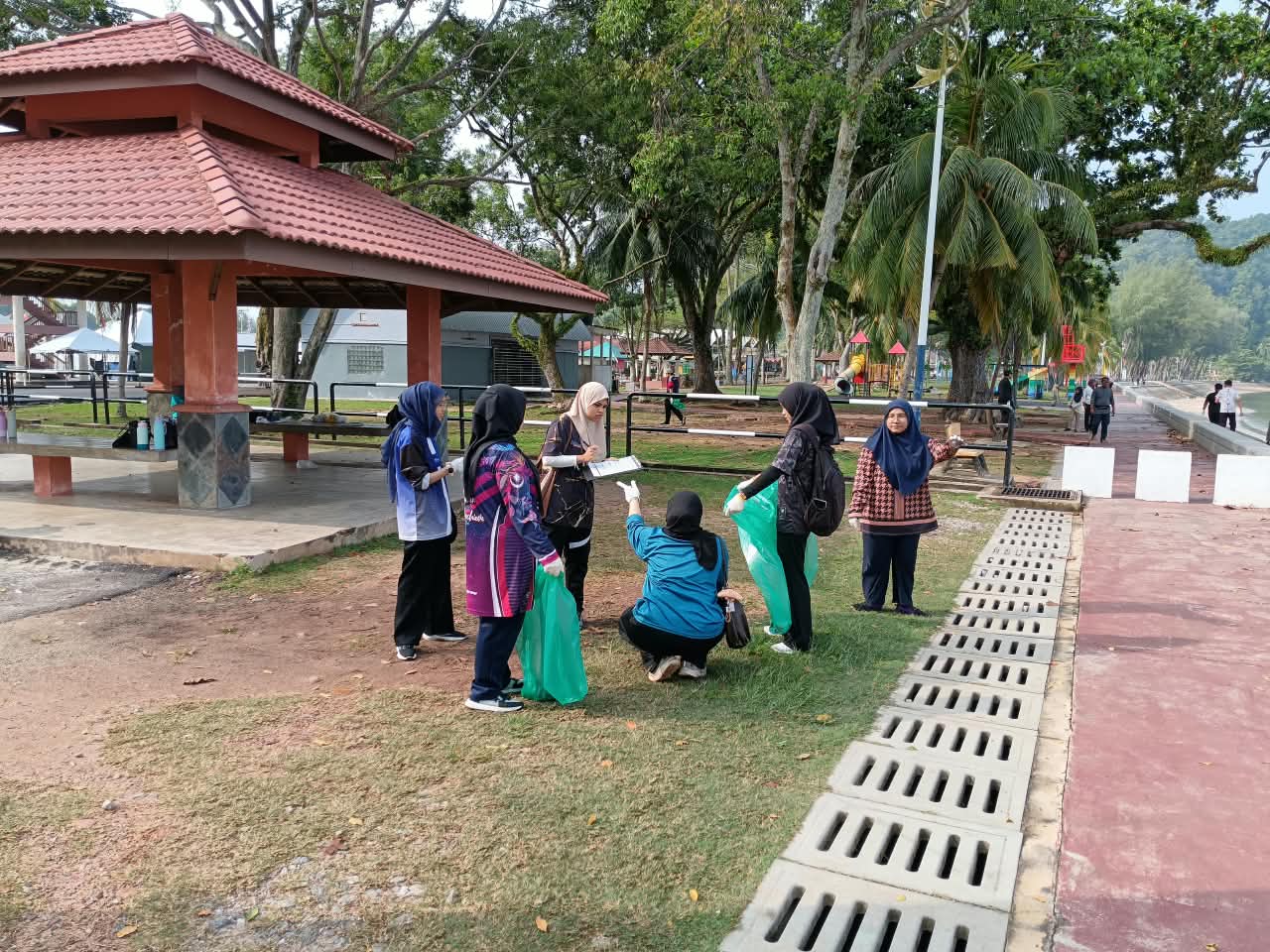
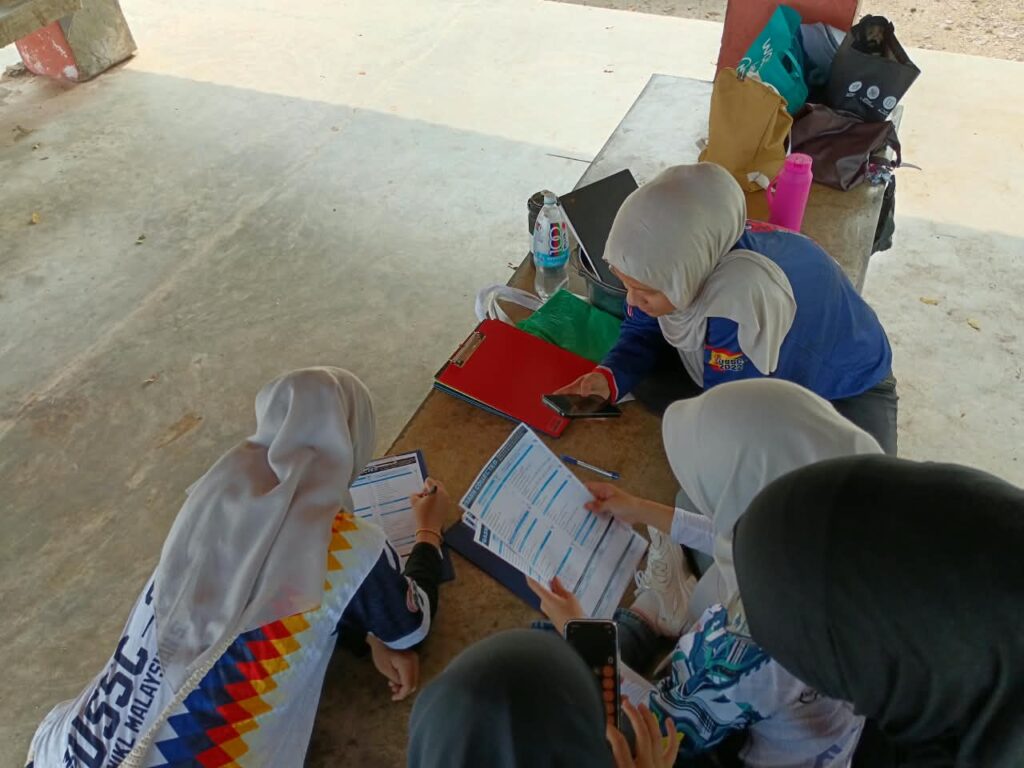
Throughout the cleanup, participants worked together to identify, collect and document debris found along the shoreline, including plastic waste and other discarded materials.
Unlike conventional beach cleanup activities, the initiative incorporated systematic debris recording, allowing students to contribute information on the types of waste found in the coastal environment.
The collected data was subsequently handed over to CEMACS, USM, to support its ongoing scientific research and wider marine conservation initiatives.
By connecting community service with scientific data collection, the programme provided students with practical exposure to the role of environmental monitoring in understanding coastal pollution.
The experience also highlighted how contributions from local communities and university volunteers can complement research efforts aimed at addressing marine environmental challenges.
The initiative was coordinated by the Foreign Language Club under the leadership of its president, Nur Fatnin Iwana Mohd Yusman, with guidance from club advisor Dr. Khong Hou Keat.
Bringing together 39 students from different academic backgrounds, the programme offered participants an opportunity to develop teamwork, environmental awareness and a stronger sense of social responsibility beyond the classroom.
For the organising team, the experience reinforced the importance of translating environmental concerns into practical contributions that support conservation efforts.
“Environmental conservation begins with action. Through the International Coastal Cleanup, our students had the opportunity to contribute to coastal preservation while learning how community participation and scientific research can work together to protect the environment,” said Dr. Khong.
The programme also demonstrated the value of student-led initiatives in encouraging active participation in sustainability efforts, while strengthening the relationship between academic institutions and environmental research organisations.
The programme aligns with the United Nations Sustainable Development Goals (SDGs), particularly SDG 14: Life Below Water, through efforts to address marine debris and coastal pollution; SDG 4: Quality Education, through experiential environmental learning; and SDG 17: Partnerships for the Goals, through inter-university collaboration in support of marine conservation.
Its emphasis on waste collection and environmental awareness also supports SDG 12: Responsible Consumption and Production, particularly the importance of reducing waste and encouraging responsible environmental practices.