
Universiti Kuala Lumpur (UniKL) and Institut Teknologi Kalimantan (ITK), Indonesia, are exploring collaborative research on transforming industrial waste such as red mud and fly ash into useful materials for environmental and construction applications.
The research direction was highlighted during a UniKL research mobility programme at ITK from 17 to 21 September 2026, which focused on strengthening research collaboration, academic capacity building and internationalisation between the two institutions.
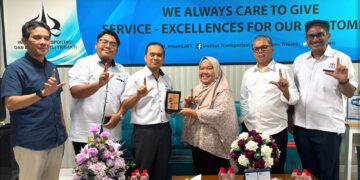
UniKL was represented by Dr. Siti Noorain Roslan from the UniKL Project Management Office and Dr. Sharifah Mariam Sayed Hitam, Senior Lecturer at Universiti Kuala Lumpur Malaysian Institute of Chemical and Bioengineering Technology (UniKL MICET).
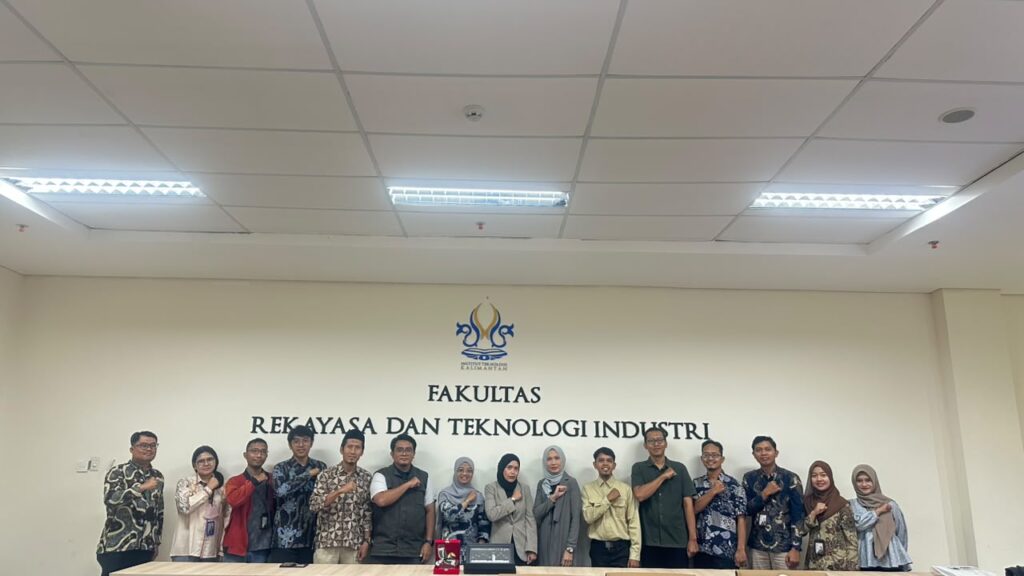
Their counterparts at ITK were from the Faculty of Engineering and Industrial Technology, creating opportunities for researchers and students to exchange knowledge and explore shared research interests.
A related collaborative study involving researchers affiliated with ITK, UniKL MICET and other Indonesian research institutions examined the valorisation of red mud and fly ash into calcium oxide-modified porous ceramsites.
Red mud and fly ash are industrial by-products generated in large quantities and can pose environmental challenges due to their alkalinity, fine particle size and long-term storage requirements.
The study explored whether these materials could instead be processed into potentially useful porous ceramic materials.
Researchers investigated different combinations of red mud, fly ash and calcium oxide, as well as different sintering temperatures, to understand their effects on the resulting material’s phase evolution, microstructure, porosity and physical properties.
The findings demonstrate the potential for industrial waste materials to be transformed into porous ceramics with possible environmental and construction-related applications, contributing to research in sustainable materials, circular economy and waste valorisation.
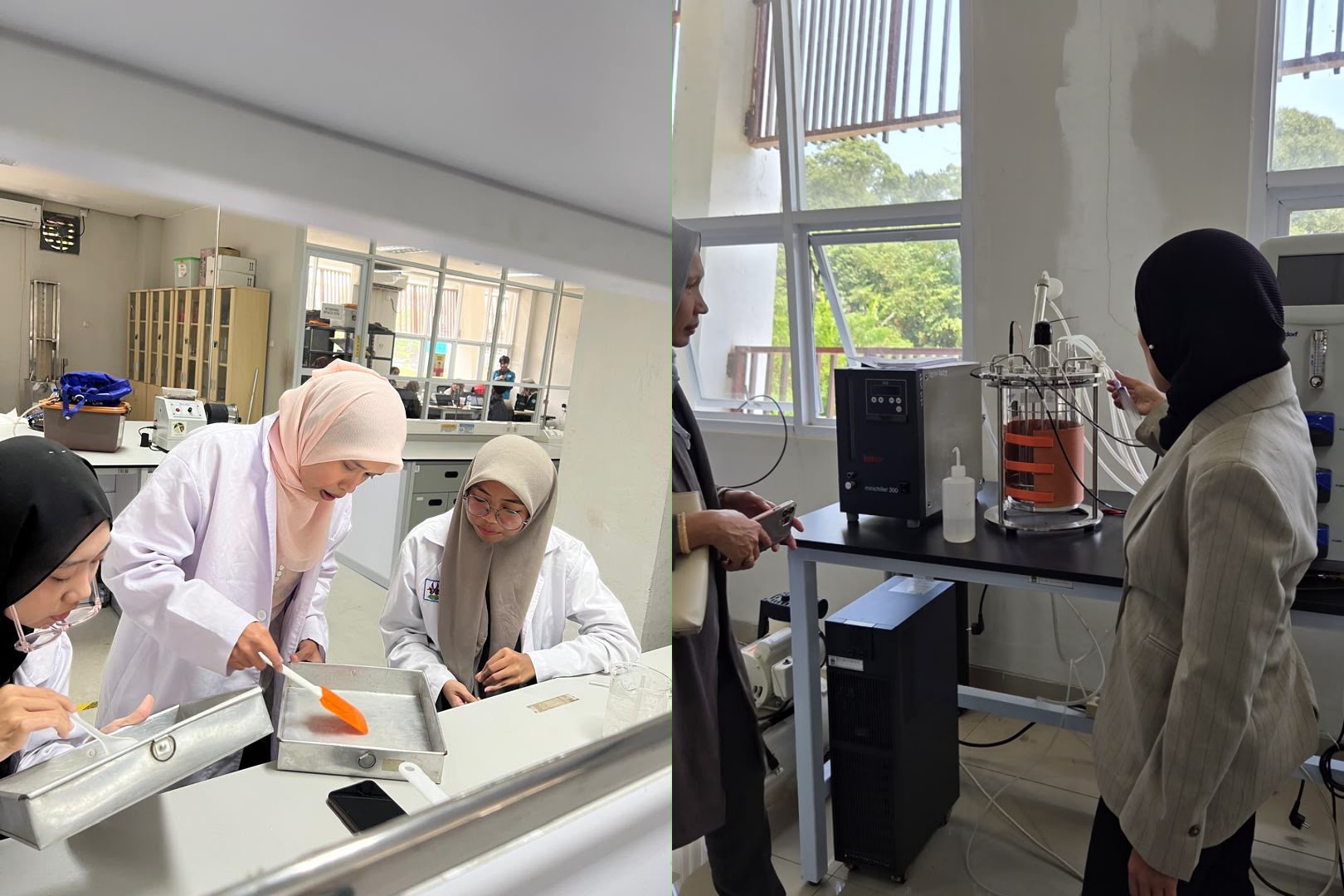
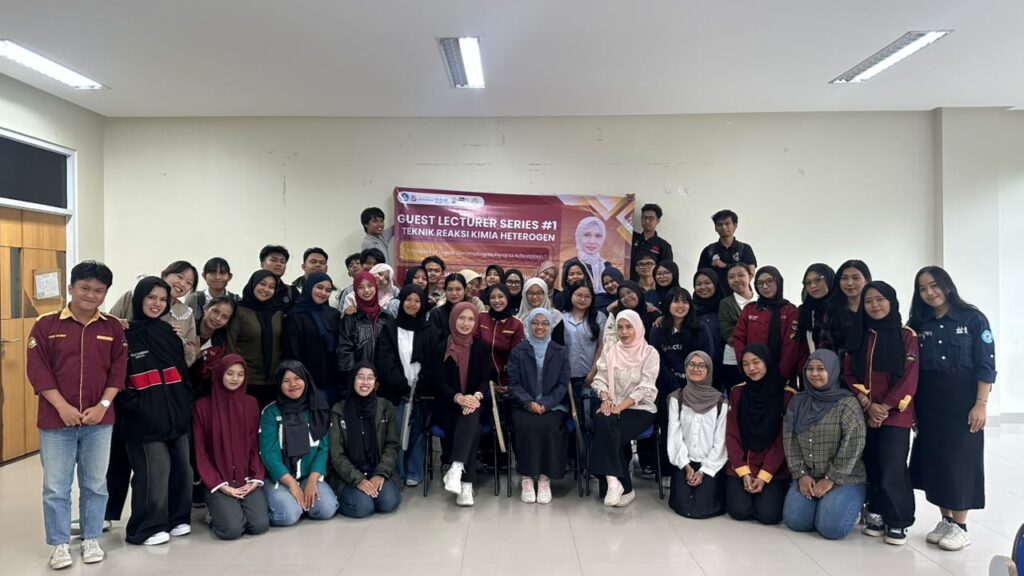
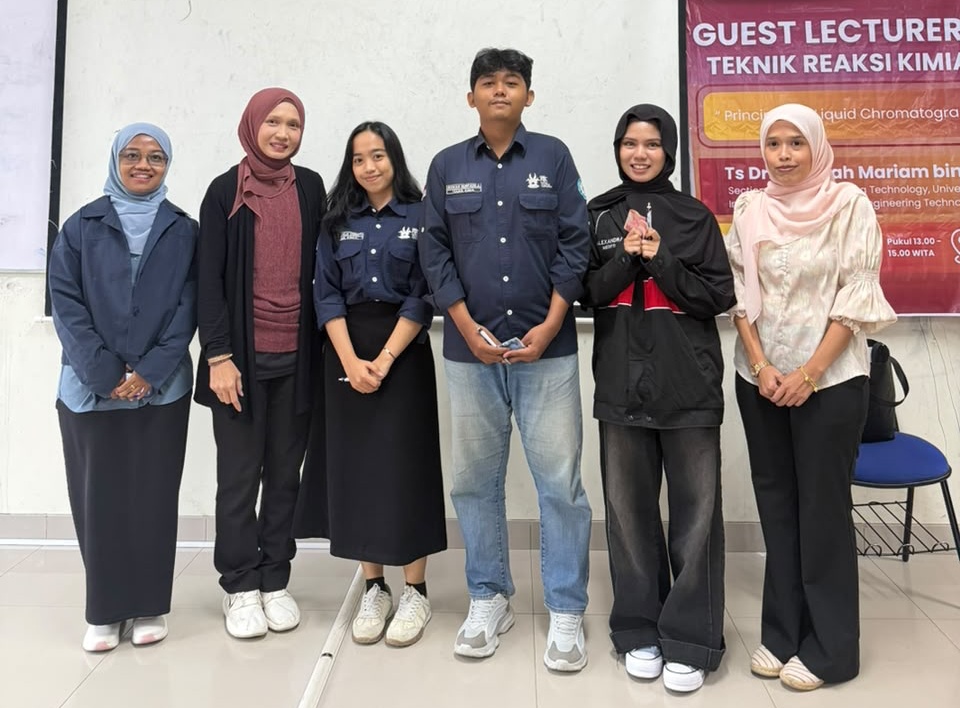
Beyond laboratory research, the mobility programme also included research-sharing sessions with students, laboratory activities, laboratory visits and a university tour.
These activities provided a platform for academics and students from both institutions to exchange research knowledge, discuss areas of mutual interest and gain greater exposure to research and laboratory facilities.
The visit also opened discussions on establishing a more structured institutional partnership through a potential Memorandum of Understanding (MoU).
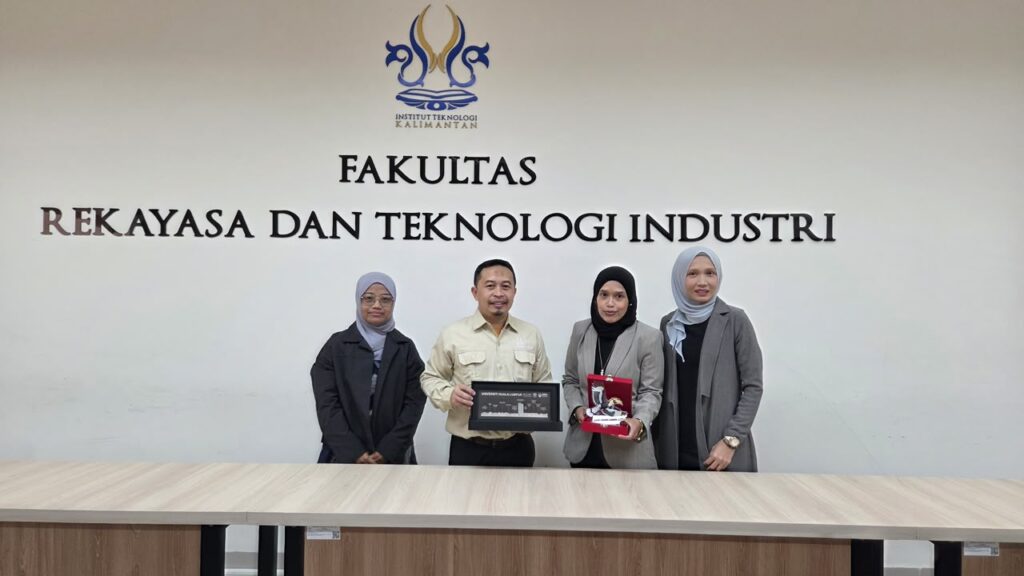
The discussion involved Dr. Andi Idhil Ismail, Dean of the Faculty of Engineering and Industrial Technology at ITK, and Dr. Eng. Lusi Ernawati, Deputy Dean of the faculty.
Both institutions also discussed opportunities for joint journal publications, which could strengthen the dissemination of research findings, scholarly visibility and future collaborative research.
Such initiatives are expected to broaden UniKL’s international academic networks while providing more opportunities for cross-border knowledge exchange, research collaboration and sustainable institutional partnerships.
The initiative supports SDG 4: Quality Education through academic knowledge exchange and research skills development; SDG 9: Industry, Innovation and Infrastructure through laboratory-based research and technological innovation; and SDG 17: Partnerships for the Goals through international institutional cooperation.
The research on transforming industrial by-products into potentially useful materials also aligns strongly with SDG 12: Responsible Consumption and Production, particularly through waste valorisation and more sustainable approaches to resource utilisation.