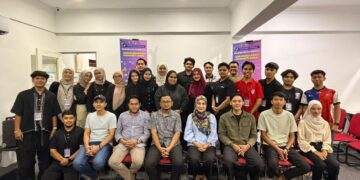



Addressing the challenge of surplus agricultural commodities, Universiti Kuala Lumpur Malaysian Institute of Chemical and Bioengineering Technology (UniKL MICET) spearheaded a sustainability-driven research initiative in Giriawas Village, Cikajang District, Garut, West Java, Indonesia.
The programme focused on converting excess potatoes and napa cabbage into value-added food products with commercial potential.

Conducted under the Community-Based Research and Pengabdian Masyarakat (Community Service) framework led by Universitas Padjadjaran, the programme aimed to reduce post-harvest losses while strengthening local income generation and long-term economic resilience.
Leveraging UniKL MICET’s expertise in chemical engineering, bioengineering, and food processing technologies, the team worked closely with villagers to develop innovative food products derived from surplus crops.
The initiative demonstrated the practical application of scientific knowledge in addressing real-world community challenges through sustainable processing solutions.

The UniKL delegation comprised two lecturers and five postgraduate and undergraduate students. Knowledge transfer activities included hands-on product development workshops, food processing techniques, food safety awareness, quality control practices, and basic packaging and marketing strategies.
These efforts empowered the local community with practical skills to create market-ready products and enhance livelihood opportunities.

The initiative aligns with the aspirations of the United Nations Sustainable Development Goals (SDGs), particularly SDG 8 (Decent Work and Economic Growth) by fostering entrepreneurship and income diversification, and SDG 12 (Responsible Consumption and Production) by promoting sustainable utilisation of local agricultural resources and minimising food waste.
Note: In line with Malaysia’s aspiration to achieve the Sustainable Development Goals (SDGs), Universiti Kuala Lumpur (UniKL) continues to strengthen and expand its efforts through various initiatives. This article particularly supports SDG 8 (Decent Work and Economic Growth) and SDG 12 (Responsible Consumption and Production).