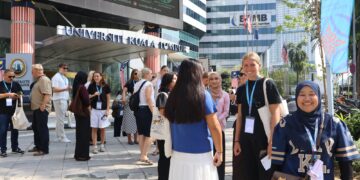

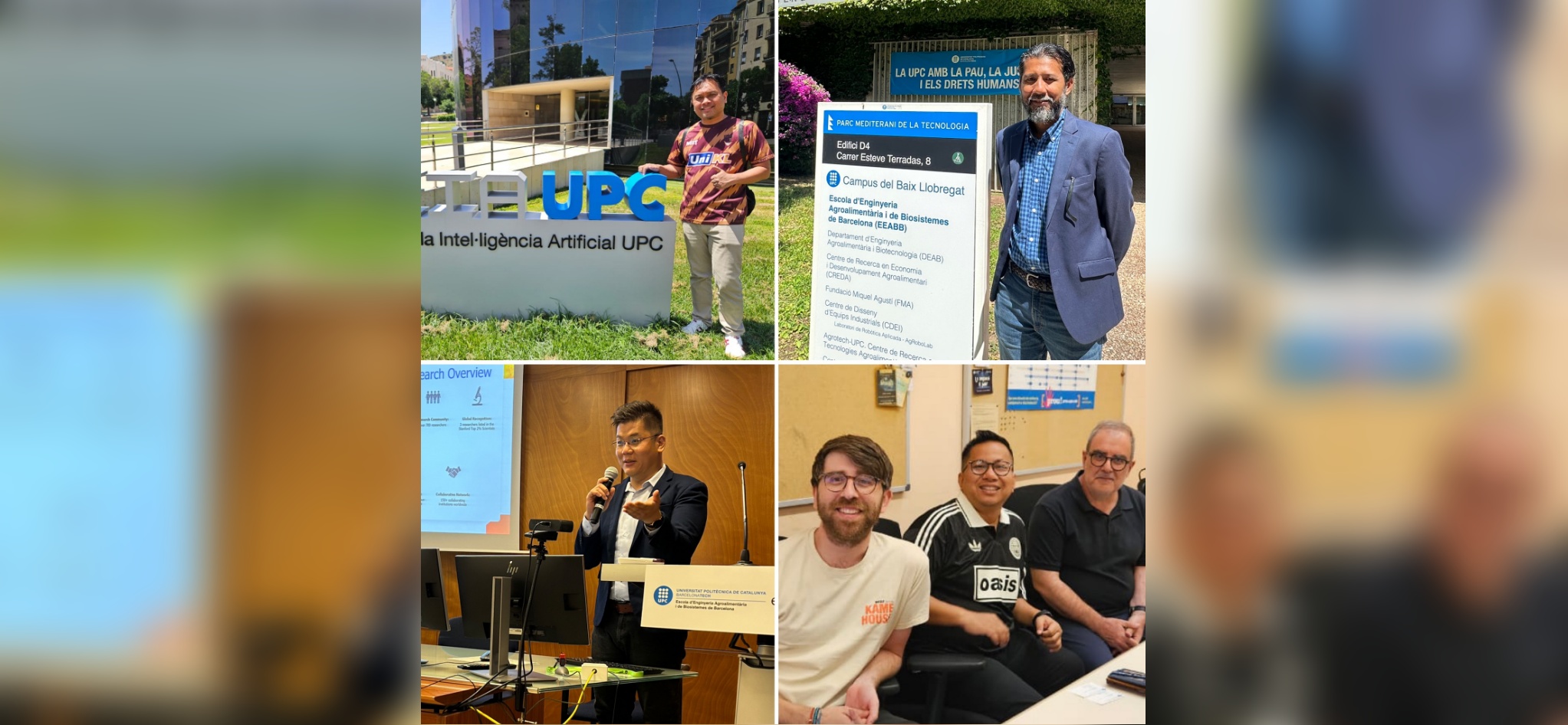
Universiti Kuala Lumpur (UniKL) has strengthened its academic and research connections in Europe through an Erasmus+ teaching mobility programme at the Universitat Politècnica de Catalunya (UPC), Spain.
Held from 15 to 19 June 2026, the Erasmus+ KA171 Staff Mobility for Teaching programme brought together UniKL academics and their European counterparts to exchange teaching practices, compare academic programmes and explore new opportunities for international research collaboration.
The UniKL delegation comprised Professor Dr Mohd Nizam Husen from UniKL Malaysian Institute of Information Technology (UniKL MIIT); Professor Dr Ilham Sentosa Anwar Malik from UniKL Business School (UniKL BIS); Associate Professor Dr Tong Woei Yenn from UniKL Institute of Medical Science Technology (UniKL MESTECH) and the Centre for Research and Innovation (CoRI); and Associate Professor Dr Khairul Faizal Pa’ee from UniKL Malaysian Institute of Chemical and Bioengineering Technology (UniKL MICET).
During the programme, the delegation engaged with several academic and research departments at UPC, including the Department of Agri-Food Engineering and Biotechnology, Department of Chemical Engineering, Surfactant and Detergency Laboratory at INTEXTER, Department of Computer Science and Department of Management at the School of Industrial Engineering.
The multidisciplinary engagement reflected UniKL’s strengths in technical and vocational education and training, or TVET, as well as applied research across information technology, business, health sciences, chemical engineering and biotechnology.
A key focus of the mobility programme was curriculum internationalisation. UniKL and UPC academics compared their academic structures, teaching approaches and programme delivery methods to identify areas that could enhance the student learning experience.
The discussions generated recommendations for updating study plans, strengthening the balance between theoretical knowledge and practical application, and aligning academic supervision processes with recognised European higher education practices.
UniKL faculty members also gained exposure to innovative teaching methodologies and approaches that encourage greater student participation, problem-solving and industry-relevant learning.
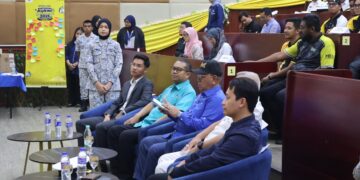
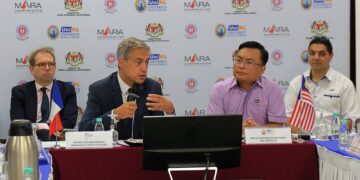
A joint academic seminar provided a platform for both institutions to share experiences from the Malaysian and European higher education systems. The session enabled participants to identify good practices that could be adapted to strengthen teaching quality, curriculum design and academic supervision at both universities.
Beyond teaching mobility, the visit created a stronger foundation for long-term cooperation between UniKL and UPC.
Potential areas of collaboration include joint research proposals, international research publications, co-supervision of doctoral candidates, academic staff exchanges and future student mobility programmes.
These initiatives support UniKL’s internationalisation strategy by expanding its global academic network, enhancing international research collaboration and creating opportunities for students and researchers to participate in cross-border knowledge exchange.
The Erasmus+ engagement supports United Nations Sustainable Development Goal 4: Quality Education by promoting inclusive, internationally informed and industry-relevant learning.
It also advances SDG 9: Industry, Innovation and Infrastructure through prospective research and innovation partnerships, while contributing to SDG 17: Partnerships for the Goals.