

As sustainability becomes an increasingly important factor in business competitiveness, Universiti Kuala Lumpur (UniKL) is taking steps to help Malaysian small and medium enterprises (SMEs) embrace Environmental, Social and Governance (ESG) practices and strengthen their position in global supply chains.
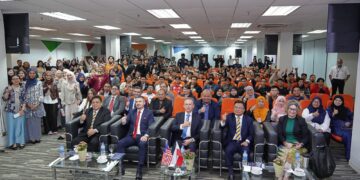
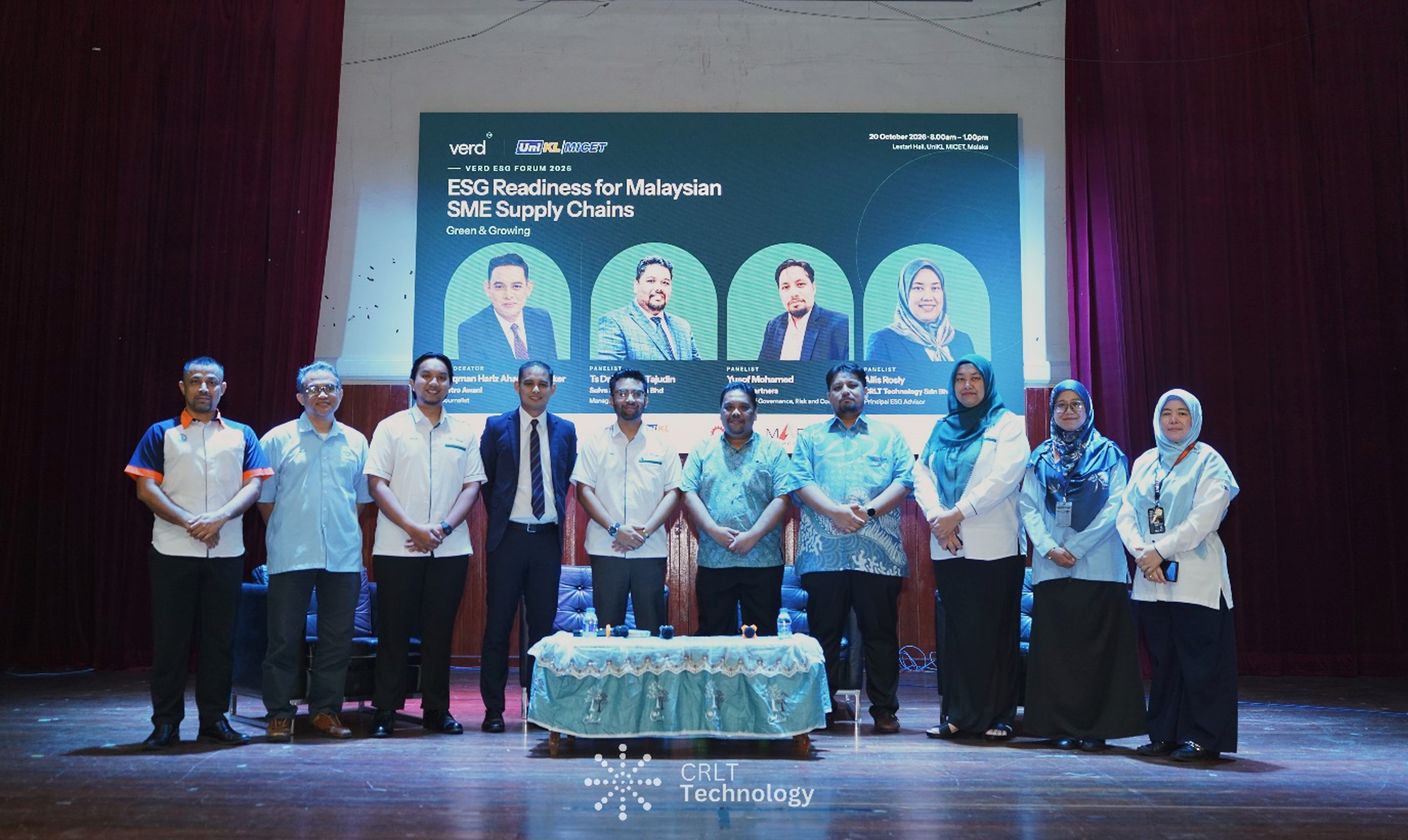
Through its UniKL Malaysian Institute of Chemical and Bioengineering Technology (UniKL MICET), the university co-hosted the VERD ESG Forum 2026 on 20 October 2026 in Melaka, in collaboration with VERD (CRLT Technology Sdn. Bhd.).
The forum brought together industry leaders, business representatives, academics and students to explore how Malaysian SMEs can turn sustainability requirements into opportunities for business growth, competitiveness and long-term resilience.
Aligned with Malaysia’s New Industrial Master Plan 2030 (NIMP 2030) and the National Industry ESG Framework (i-ESG), the initiative highlighted the growing importance of responsible business practices in strengthening Malaysia’s industrial ecosystem.

For SMEs seeking to participate in national and international supply chains, competitive pricing and product quality alone may no longer be sufficient.
Businesses are increasingly expected to demonstrate strong governance, anti-bribery practices, workplace safety compliance and transparent operations.
One of the forum’s key messages was that adopting ESG practices does not necessarily require significant financial investment at the outset.
Instead, SMEs can begin with practical improvements, including proper documentation, inventory tracking, transparent decision-making and responsible resource management.
Such measures can help businesses strengthen accountability, build credibility with industry partners and improve their readiness to meet the expectations of larger corporations.
The discussions also reflected Malaysia’s broader efforts to accelerate sustainable industrial development, including initiatives supported by the Malaysian Investment Development Authority (MIDA) to encourage ESG adoption among local businesses.

The forum featured insights from Ts. Dr Zulhafiz Tajudin, Managing Director of Solva Stream Sdn. Bhd.; Mr Yusof Mohamad, Director of Governance, Risk and Compliance Advisory at Kancil Partner; and Ms Nurailis Rosly, Principal ESG Advisor at CRLT Technology Sdn. Bhd.
Moderated by Astro AWANI journalist Mr Luqman Hariz Ahamad Shaker, the session brought together perspectives on sustainability, corporate governance, regulatory expectations and business readiness.
Representatives from Orasko Sdn. Bhd., Malaysia Digital Economy Corporation (MDEC) and Lembaga Koko Malaysia also participated, reflecting cross-sector interest in strengthening sustainable business practices.
In her officiating address, the Dean of UniKL MICET emphasised the importance of embedding sustainability into engineering education, research and industrial practices.
Through its expertise in water and wastewater treatment, advanced materials, waste valorisation, green technology and sustainable industrial processes, UniKL MICET continues to support applied research and practical solutions addressing industrial sustainability challenges.
A highlight of the event was the launch of the VERD ESG platform, alongside a Memorandum of Understanding (MoU) exchange ceremony, marking a shared commitment to strengthening ESG awareness, industry collaboration and sustainable business practices.
The occasion underscored the importance of partnerships between universities, technology providers and industry stakeholders in translating sustainability aspirations into practical business initiatives.
The initiative supports several United Nations Sustainable Development Goals (SDGs), particularly SDG 4: Quality Education, through sustainability-focused learning; SDG 9: Industry, Innovation and Infrastructure, through applied research and industrial innovation; and SDG 12: Responsible Consumption and Production, through responsible resource management and sustainable industrial practices.
It also contributes to SDG 17: Partnerships for the Goals, highlighting the importance of collaboration between higher education institutions, industry and technology partners in advancing sustainability.