

Imagine holding a creature that has survived for more than 450 million years, long before dinosaurs roamed the earth, yet today depends on humans for survival.
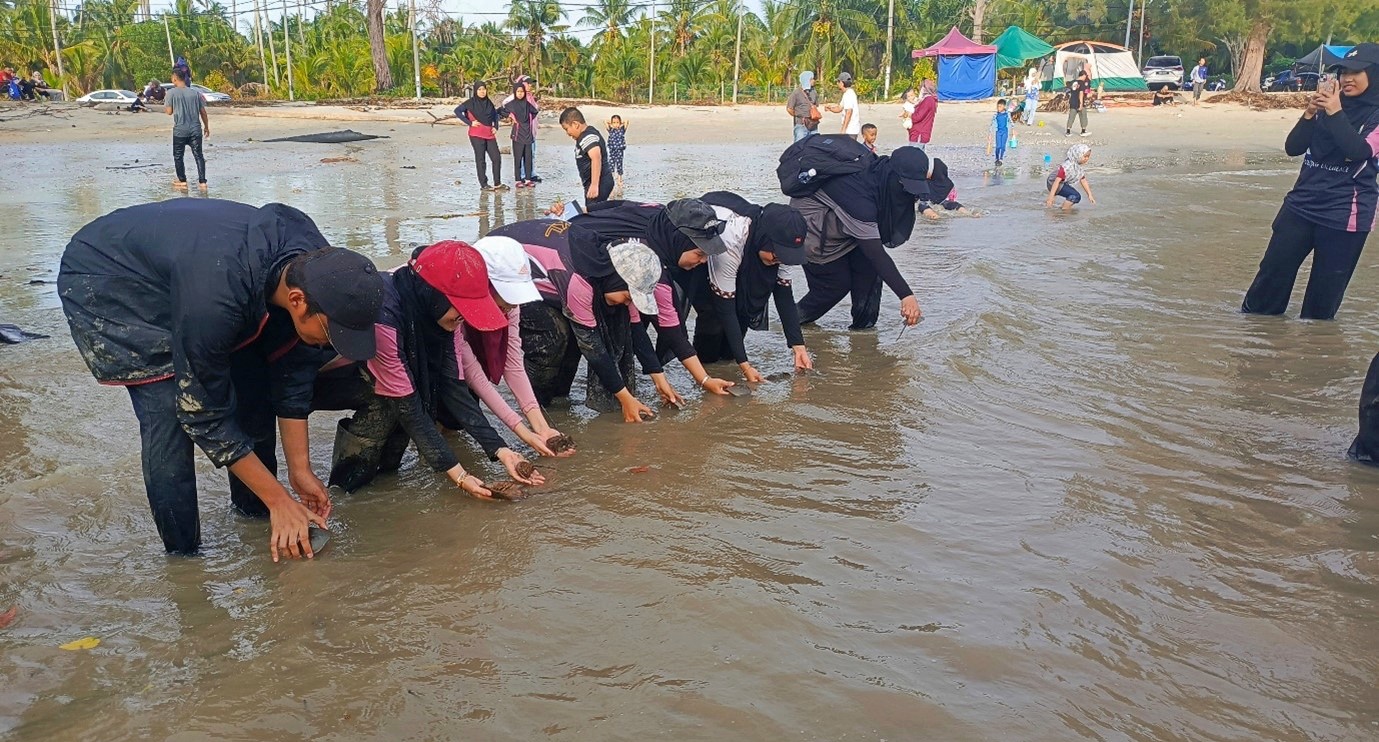
That was the reality for a team of 30 students from Universiti Kuala Lumpur Institute of Medical Science Technology (UniKL MESTECH) who rescued 172 horseshoe crabs at Morib Beach, Banting, a number that may seem small, but carries a profound impact on the stability of Malaysia’s coastal ecosystem.
The students, members of Kelab Rakan Muda UniKL MESTECH, were taking part in a conservation initiative that blended action, awareness, and a sense of responsibility toward marine life.
Guided by Sustainability Solutions and Persatuan Konservasi Belangkas Malaysia, the team spent the day freeing horseshoe crabs trapped in ghost nets beneath Jeti Nelayan Kampung Tongkah, while also clearing 109 kilograms of waste along the Morib coastline.
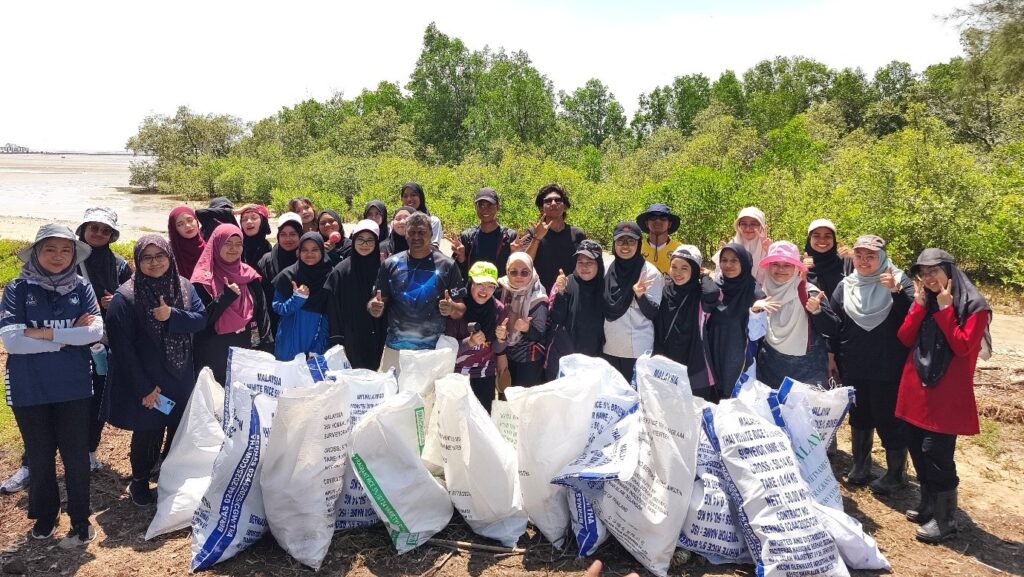
For many, it was the first time seeing the ancient species up close and let alone rescuing them.
Led by Pn. Nur Shukriyah Mohamad Hazir, Lecturer and Advisor of Kelab Rakan Muda, the programme began with an eye-opening session on mangrove ecosystems, introducing participants to various mangrove inhabitants, including crabs, mudfish, and even water snakes.
But the horseshoe crab rescue quickly became the highlight.
Working under the jetty, students carefully untangled the creatures, often trapped for hours or even days, before releasing them back to the sea during high tide.
The event was strengthened by the presence of Mr. Harris Raj Kumar from Sustainability Solutions and Ms. Nurul Ashikin Mat Zauki from Persatuan Konservasi Belangkas Malaysia.
Horseshoe crabs, often overlooked, play a critical role in maintaining the balance of coastal ecosystems. Their eggs feed migratory birds, their bodies support benthic food chains, and their presence indicates a healthy shoreline.
Rescuing 172 of them in a single day, combined with clearing ghost nets and rubbish, was not just an environmental achievement; it was a powerful lesson in how small interventions can safeguard an entire habitat.