
From detecting microplastics in seawater to harnessing artificial intelligence (AI) for smarter transportation and food processing, Universiti Kuala Lumpur (UniKL) is advancing research that seeks to address real-world challenges through innovation and sustainable solutions.
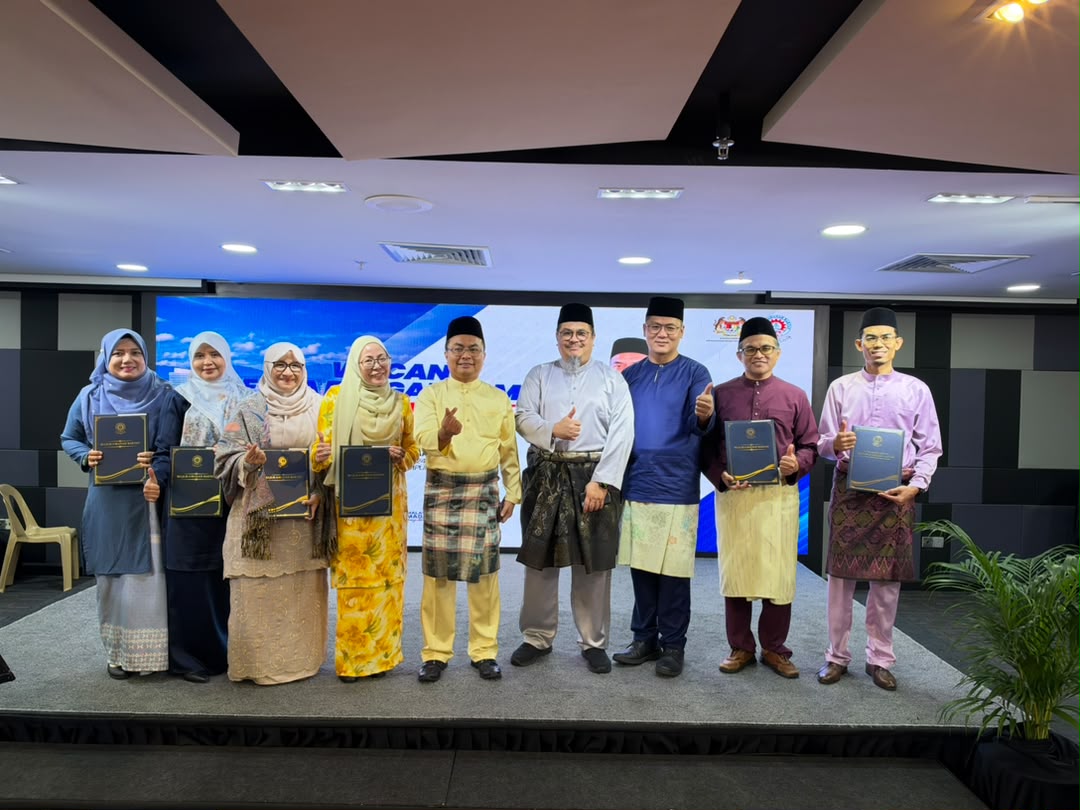
The university has secured RM140,000 in research funding under the Dana Penyelidikan dan Inovasi MARA (DPIM) 2026, supporting six projects across five UniKL campuses in areas spanning environmental sustainability, technological innovation, education and community development.
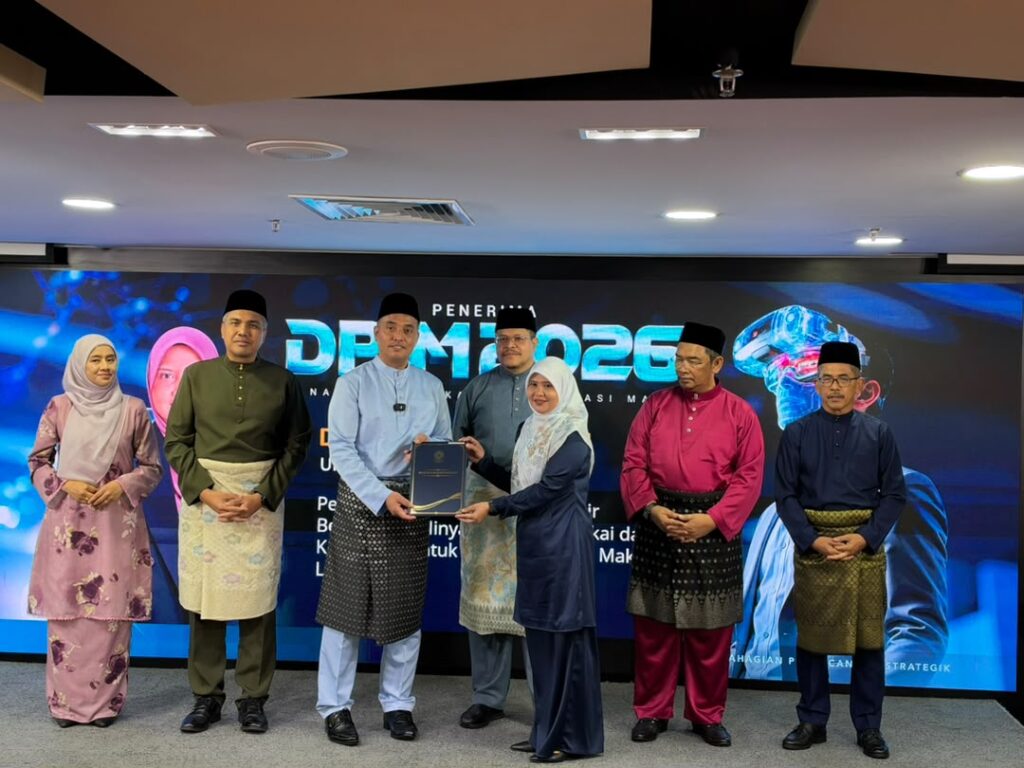
The grants were presented by MARA Director-General, Ir. Dr. Mahzan Teh, during the Program Wacana Ketua Pengarah MARA at Anjung Korporat, MARA Headquarters.
Also present were MARA Corporation Group Chief Executive Officer, Haji Yahaya Sani; UniKL Chief Executive Officer, Mr. Wan Ahmad Saifuddin Wan Ahmad Radzi; and UniKL Vice-Chancellor, Prof. Dr. Kushsairy Abdul Kadir.
The funding supports fundamental and applied research, pre-commercialisation initiatives and InnoBiz innovation activities, reflecting UniKL’s commitment to translating academic research into practical solutions with potential economic, social and environmental benefits.
Among the funded projects, researchers from UniKL Malaysian Institute of Marine Engineering Technology (UniKL MIMET) and UniKL Malaysian Institute of Chemical and Bioengineering Technology (UniKL MICET) are exploring innovative approaches to environmental protection and sustainable materials.
At UniKL MIMET, Ts. Dr. Asmalina Mohamed Saat is investigating nanocomposite materials designed to capture and detect microplastics and oil in seawater, contributing to research on marine pollution and environmental conservation.
Meanwhile, Dr. Nazerah Ahmad from UniKL MICET is developing water-resistant biofoam packaging using used cooking oil and sago starch, exploring the potential of alternative materials to support more responsible production and consumption.
Technological innovation is another key focus, with UniKL Malaysian Institute of Information Technology (UniKL MIIT) receiving RM40,000 for the MARA Liner Vehicle Intelligence System (MAVIS), led by Prof. Dr. Megat Farez Azril Zuhairi.
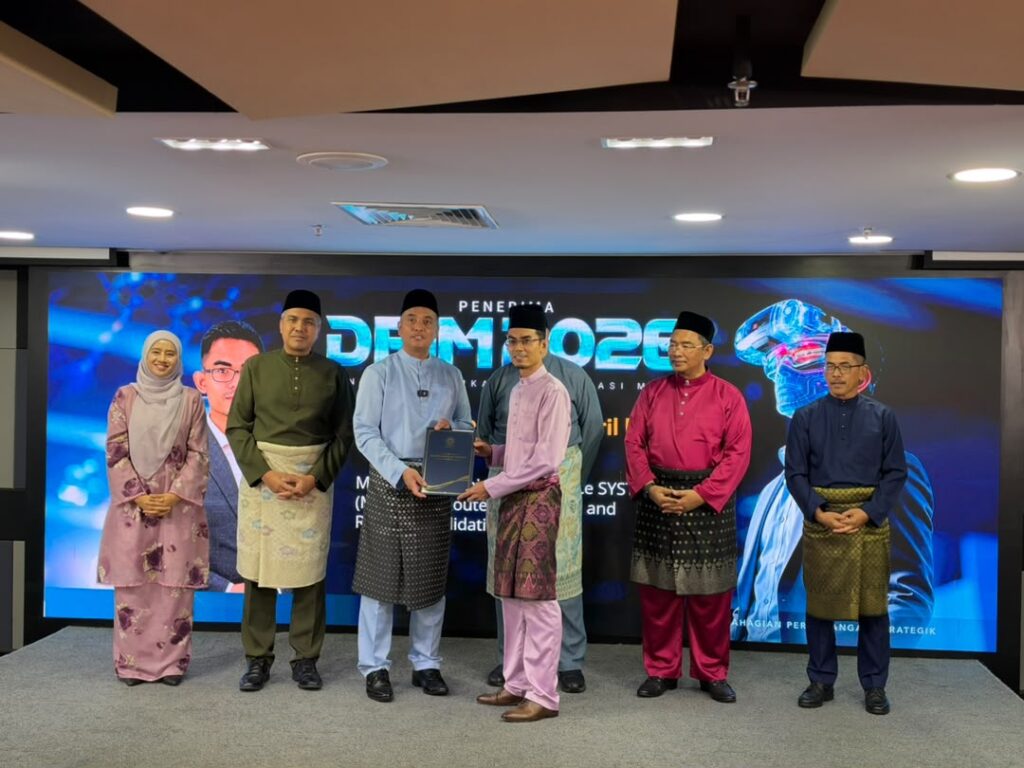
The proposed system aims to improve bus operations monitoring through route compliance verification and passenger ridership validation, potentially supporting more informed transportation management and operational decision-making.
At UniKL MICET, Ts. Dr. Muhamad Yusuf Hasan will explore the application of artificial intelligence to optimise retort processing for shelf-stable, ready-to-eat burger products, demonstrating the potential of AI-driven approaches in food manufacturing processes.
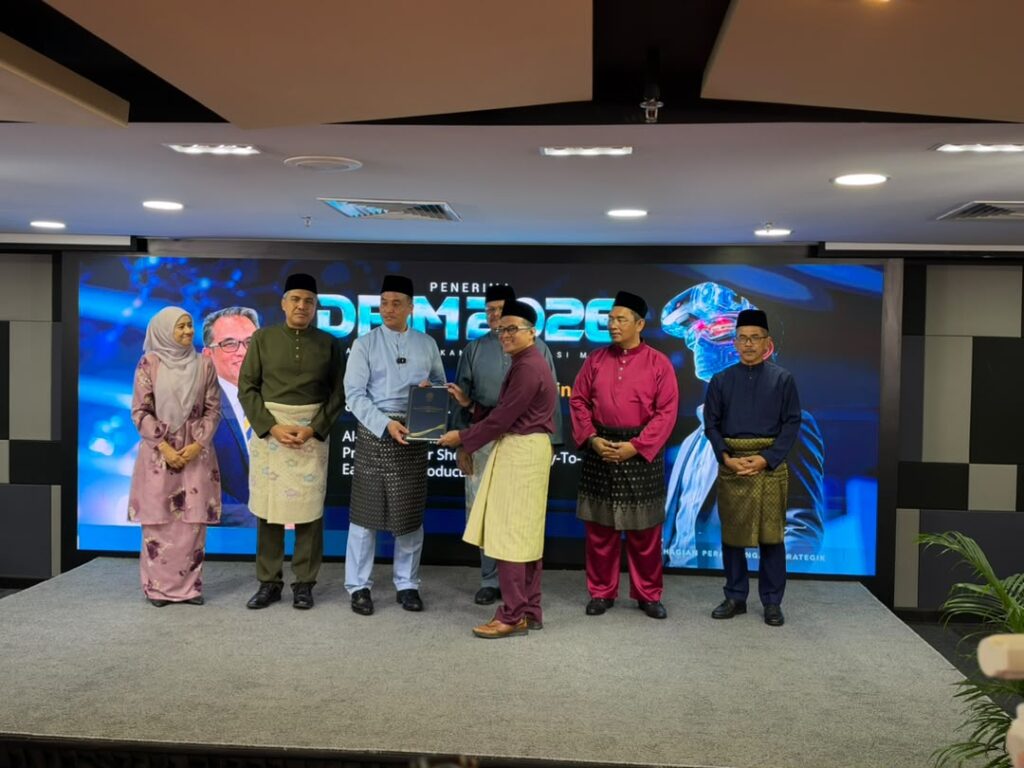
Beyond technological and environmental research, UniKL is also advancing studies that address social development and educational opportunities.
Ts. Dr. Jimisiah Jaafar @ Kamis from UniKL Business School will examine how MARA’s entrepreneurship programmes contribute to women’s economic empowerment, including the role of entrepreneurial competencies and emotional intelligence.
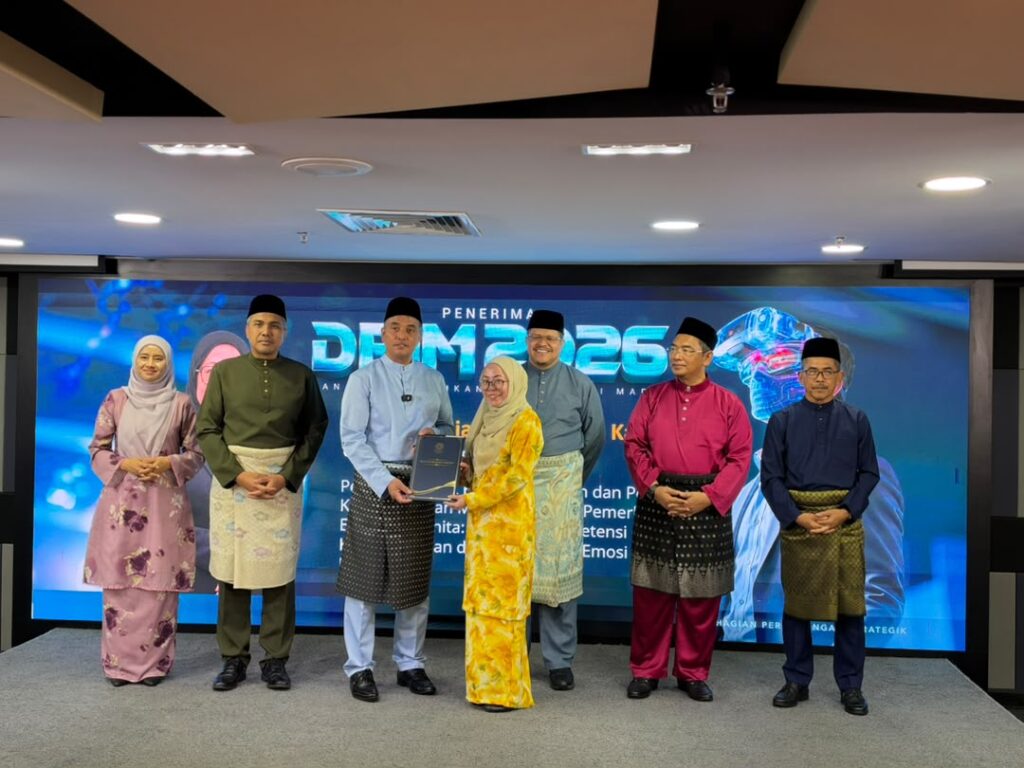
The findings could provide insights for strengthening future entrepreneurship training and support programmes, particularly those aimed at enhancing women’s participation in economic activities.
Meanwhile, Dr. Aina Suriani Mahmood from UniKL Malaysian Institute of Aviation Technology (UniKL MIAT) will investigate how Science, Technology, Engineering and Mathematics (STEM) outreach initiatives influence students’ interest in pursuing technical higher education.
The study could contribute to a better understanding of how educational outreach supports student aspirations and encourages participation in technical and technology-related fields.
Of the total RM140,000 allocation, the MAVIS project received RM40,000, while the remaining five research projects were awarded RM20,000 each.
Collectively, the six projects align with several United Nations Sustainable Development Goals (SDGs), including SDG 4: Quality Education, SDG 5: Gender Equality, SDG 9: Industry, Innovation and Infrastructure, SDG 11: Sustainable Cities and Communities, SDG 12: Responsible Consumption and Production, and SDG 14: Life Below Water.