

Preventing dengue becomes more complex when communities move across borders and face differences in language, living conditions and access to healthcare.
Addressing these challenges requires research that goes beyond laboratories and engages directly with the people most affected.
Universiti Kuala Lumpur Royal College of Medicine Perak (UniKL RCMP) strengthened its regional public health research collaboration with Mahidol University, Thailand, through a study on dengue prevention practices among migrant workers in both countries.
From 16 to 20 March 2026, Associate Professor Dr. Theingi Maung Maung from the Faculty of Medicine, UniKL RCMP, undertook a research mobility programme at the ASEAN Institute for Health Development (AIHD), Mahidol University.
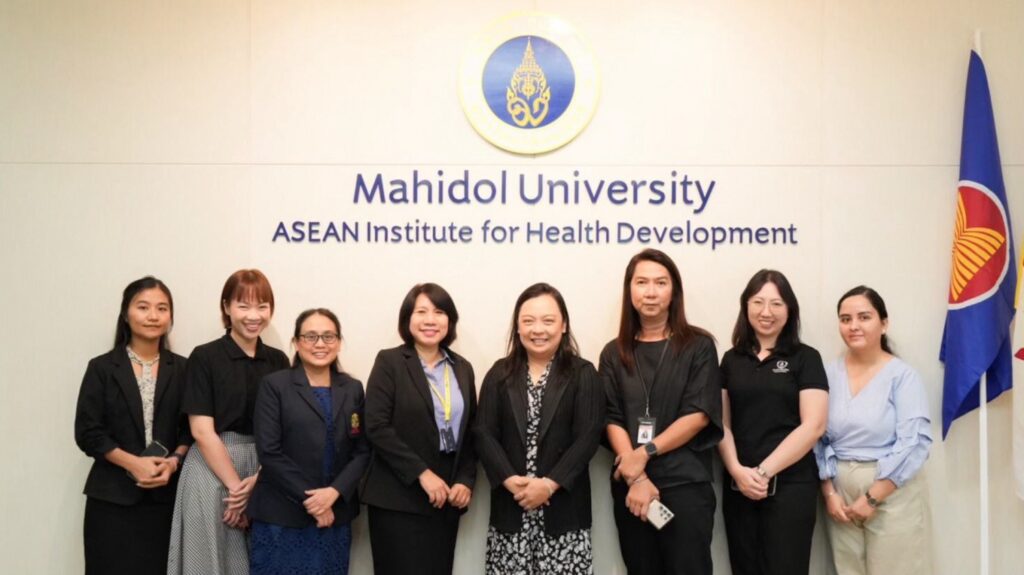
Supported by the UniKL Global Research Mobility Incentive 2026, the programme centred on the research project titled Cross-Border Dengue Prevention Practices Among Migrant Workers in Thailand and Malaysia.
The study seeks to identify how migrant workers protect themselves from dengue while examining the social, cultural and environmental factors that may influence their practices.
It also aims to strengthen research cooperation between UniKL RCMP and Mahidol University in migrant health, infectious disease prevention and regional public health.
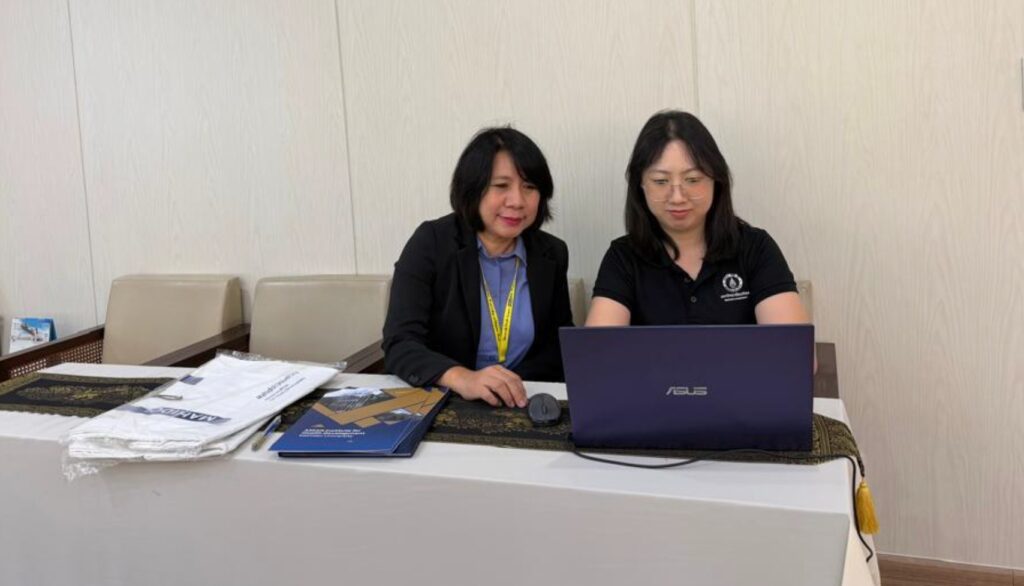
During the mobility programme, researchers from both universities presented their respective research frameworks and aligned their study methodologies.
The discussions examined differences in migrant worker demographics, living environments and barriers to effective dengue prevention in Malaysia and Thailand.
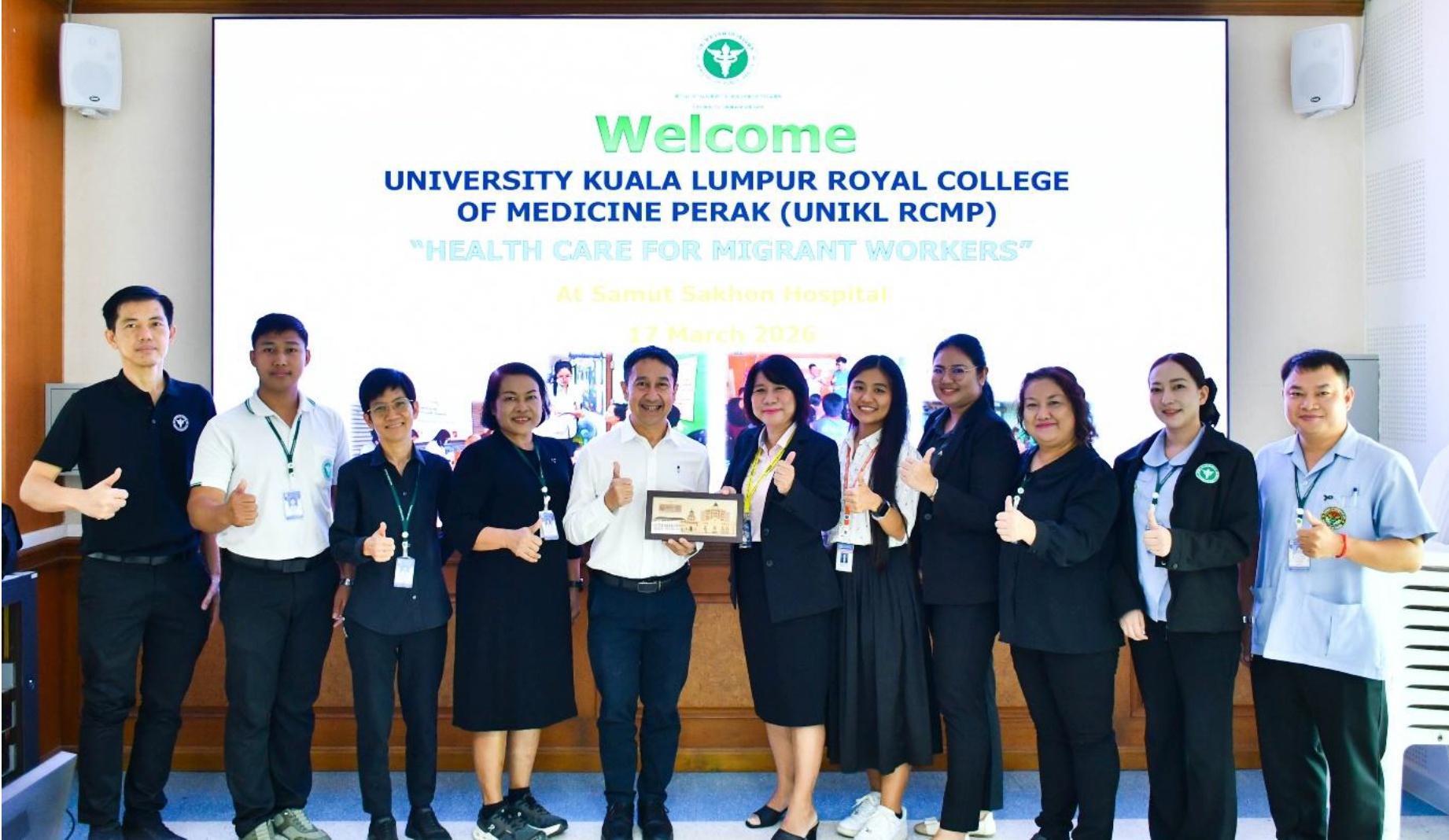
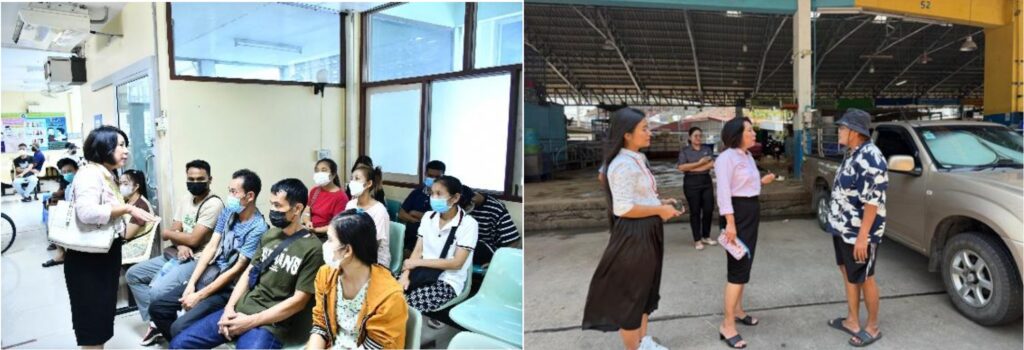
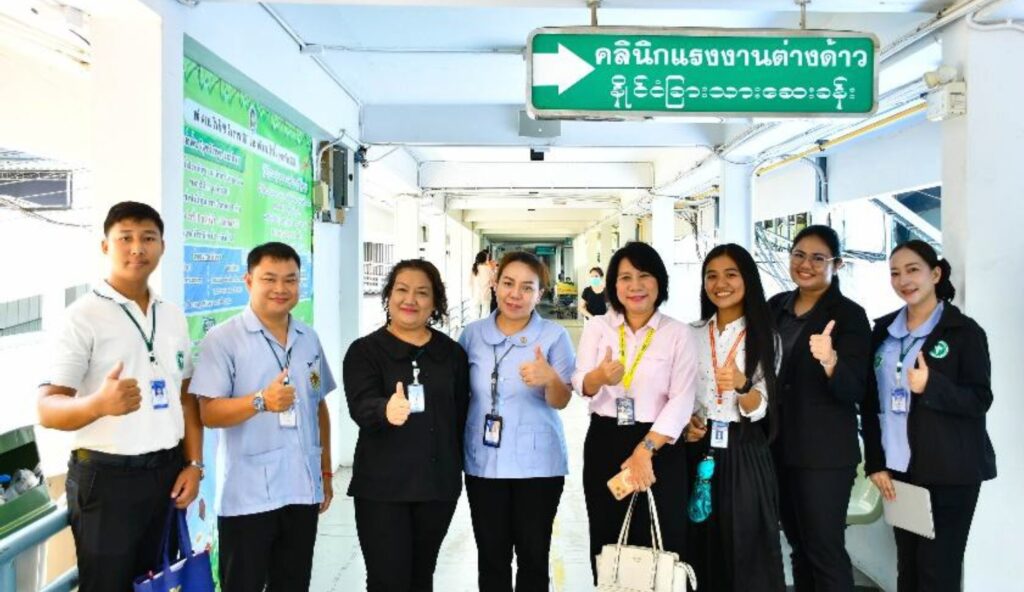
The programme extended beyond academic discussions through visits to Samut Sakhon Hospital, local health authorities and migrant communities in Mahachai. These engagements provided the research team with direct insights into healthcare services, working environments and the everyday realities experienced by migrant populations.
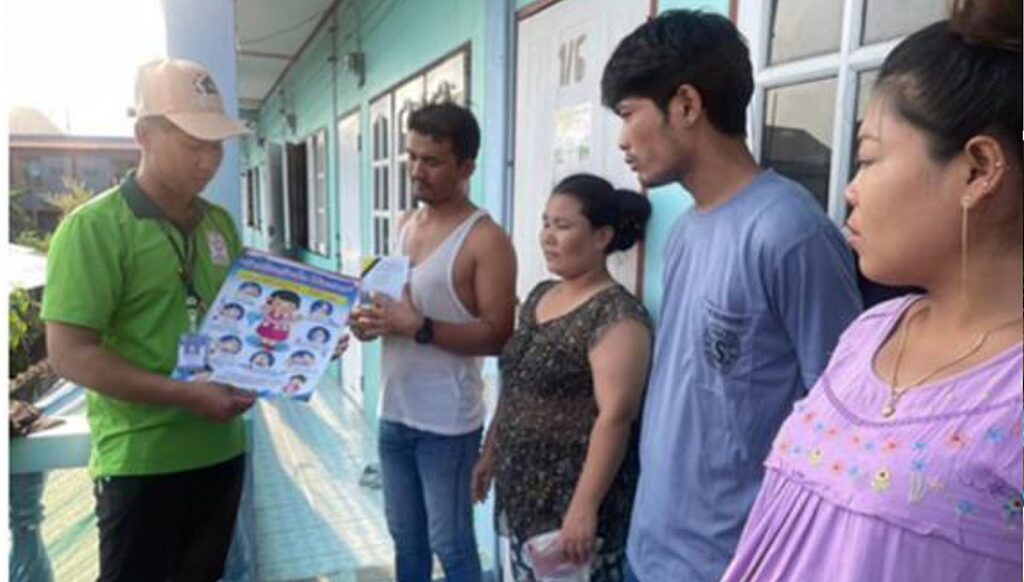
Researchers subsequently conducted pilot testing of the study questionnaire, trained community workers for data collection and delivered dengue health education to migrant workers.
Structured questionnaires were also administered to begin developing a baseline dataset for the cross-border study.
The collaboration helped refine a culturally appropriate research instrument while improving access to migrant communities and strengthening the capabilities of field researchers.
It also established a joint UniKL RCMP–Mahidol University research team, supported by a validated questionnaire, trained data collectors and an initial publication plan.
Looking ahead, the two universities are exploring joint data analysis, comparative studies, co-authored scientific publications and international conference presentations. Potential initiatives also include joint research grant applications, student and faculty exchanges, and expanded studies on migrant health and vector-borne diseases.
The initiative supports United Nations Sustainable Development Goal (SDG) 3: Good Health and Well-being by advancing dengue prevention and improving health awareness among vulnerable communities.
It also contributes to SDG 10: Reduced Inequalities by focusing on migrant populations that may experience barriers to healthcare information and services, as well as SDG 17: Partnerships for the Goals through international academic cooperation between Malaysia and Thailand.