
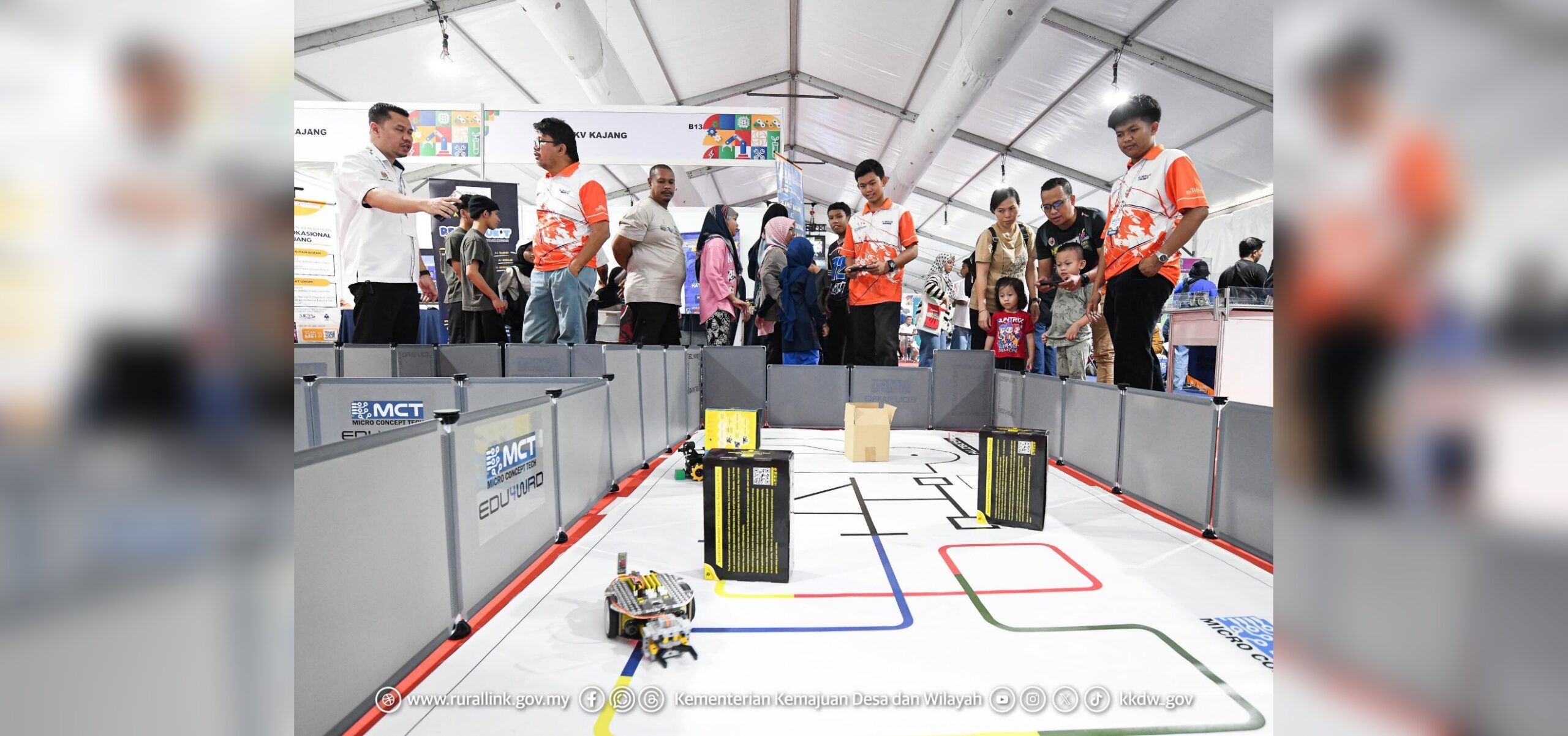
The celebration of National TVET Day 2026, held from 5 to 7 June, marked more than an annual gathering of skills institutions and industry players.
It signalled the emergence of TVET 2.0 as Malaysia’s next strategic platform for talent development, which places advanced technology, industry-driven learning, and human values at the centre of national growth.
For institutions such as Universiti Kuala Lumpur (UniKL), the event reflected years of commitment to producing highly skilled graduates who are not only industry-ready but also capable of navigating the rapidly evolving landscape of artificial intelligence (AI), digitalisation, energy transition, advanced manufacturing, rail technology, and maritime innovation.
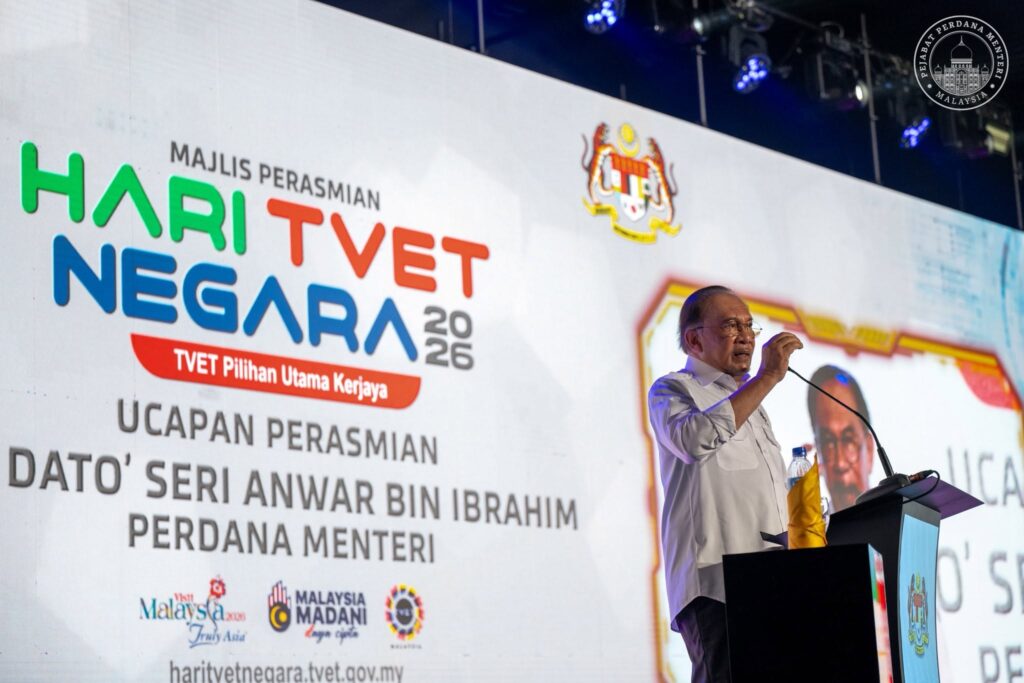
In his keynote address, Prime Minister YAB Dato’ Seri Anwar Ibrahim highlighted how TVET has successfully broken traditional perceptions that career success can only be achieved through conventional academic routes.
The introduction of TVET 2.0 reflects a recognition that emerging industries require a new generation of workers equipped with specialised technical competencies beyond what traditional education structures were designed to provide.
Fields such as AI, cryptology, renewable energy, semiconductor technology, digital infrastructure, and energy transition are increasingly shaping investment decisions worldwide.
As Malaysia attracts new investments from multinational corporations and technology leaders, demand for highly skilled technical talent continues to accelerate.
The Prime Minister’s announcement of up to RM50 million under the national high-impact programme fund, managed by Perbadanan Tabung Pembangunan Kemahiran (PTPK), for TVET 2.0 demonstrates the government’s commitment to strengthening industry-relevant training, particularly in emerging technologies.
More significantly, he stressed that selected TVET graduates equipped with specialised competencies could command salaries and career opportunities that rival or even exceed those of conventional degree holders.
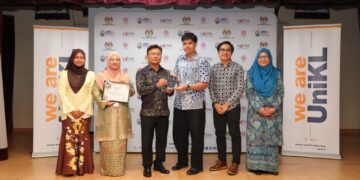
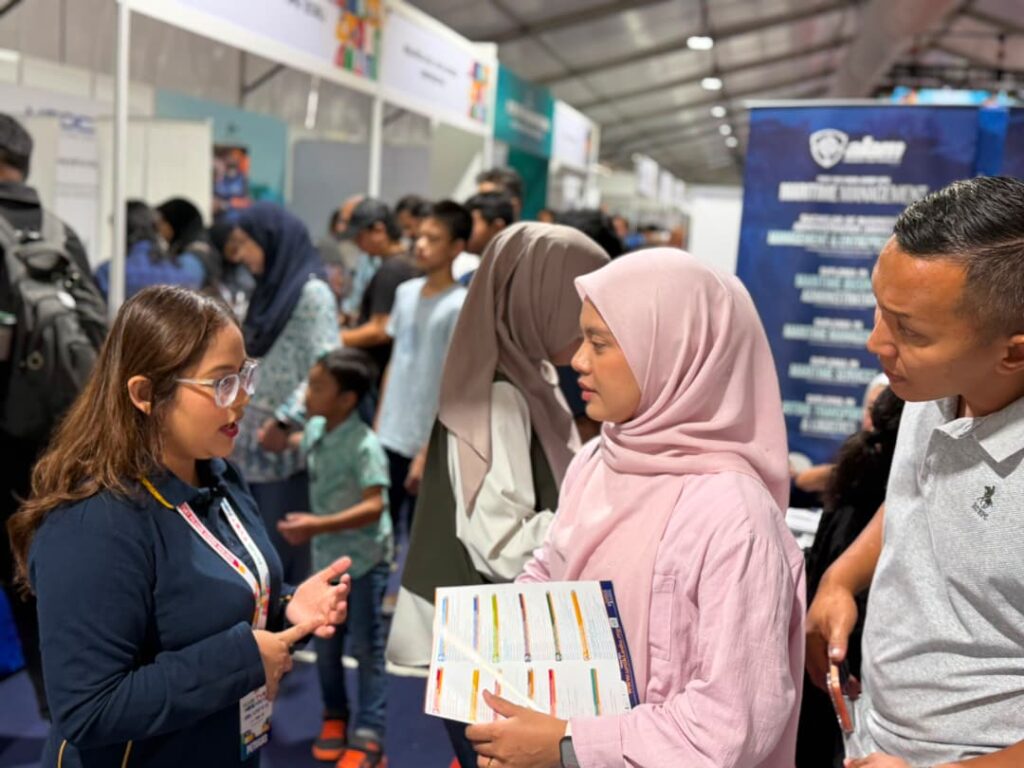
For the record, National TVET Day 2026 was officially launched by YAB Dato’ Seri Anwar on 6 June, in which UniKL highlighted nine exhibition booths featuring UniKL campuses and alumni-led companies.
In line with the aspirations, Deputy Prime Minister and National TVET Council Chairman, YAB Dato’ Seri Dr. Ahmad Zahid Hamidi reinforced that TVET 2.0 is built upon stronger industry participation.
Unlike earlier models, in which institutions largely determined training content, TVET 2.0 places industry partners at the forefront of curriculum design, technology transfer, equipment sponsorship, and talent placement.
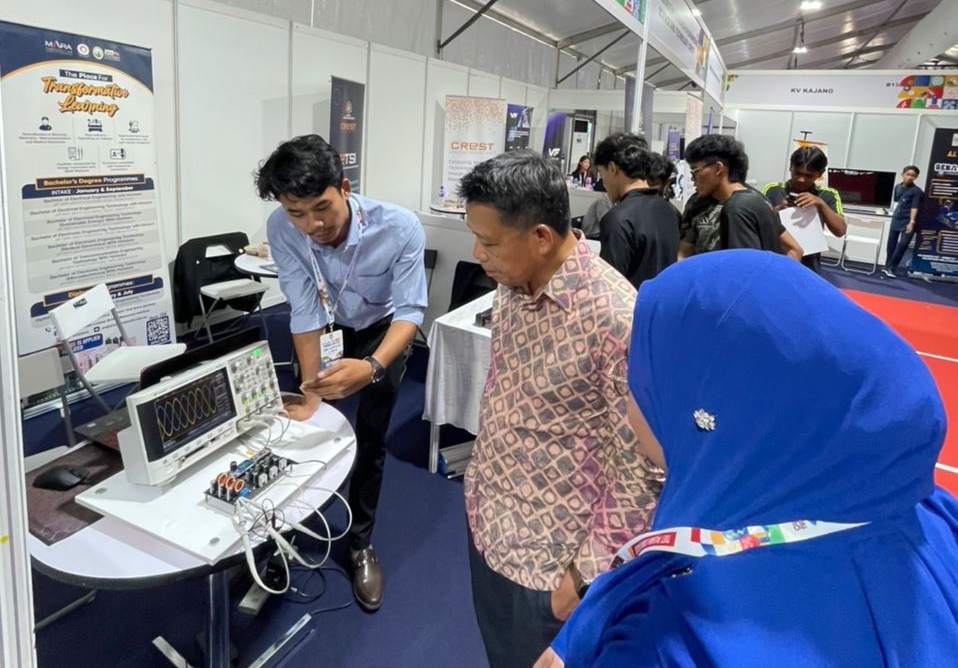
Private-sector companies are increasingly contributing not only expertise and training modules but also machinery, laboratories, and industrial technologies to ensure students learn using equipment that mirrors actual workplace environments.
Notably, graduate employability among TVET graduates nationwide has risen to 98.7 percent, while institutions under Majlis Amanah Rakyat (MARA) recorded employability rates reaching 99.5 percent.
These figures underscore growing industry confidence in TVET graduates and validate Malaysia’s efforts to align skills development with workforce demands.
TVET 2.0 represents a new era where education, industry, and government operate within a shared ecosystem to produce talent capable of meeting the demands of the Fourth Industrial Revolution and beyond. For UniKL, the journey aligns naturally with its mission of producing industry-driven graduates through strong partnerships, applied learning, and technology-focused education.
As Malaysia accelerates its ambitions in AI, digitalisation, rail mobility, maritime industries, renewable energy, and advanced manufacturing, institutions that can bridge education with industry needs will become increasingly important.