

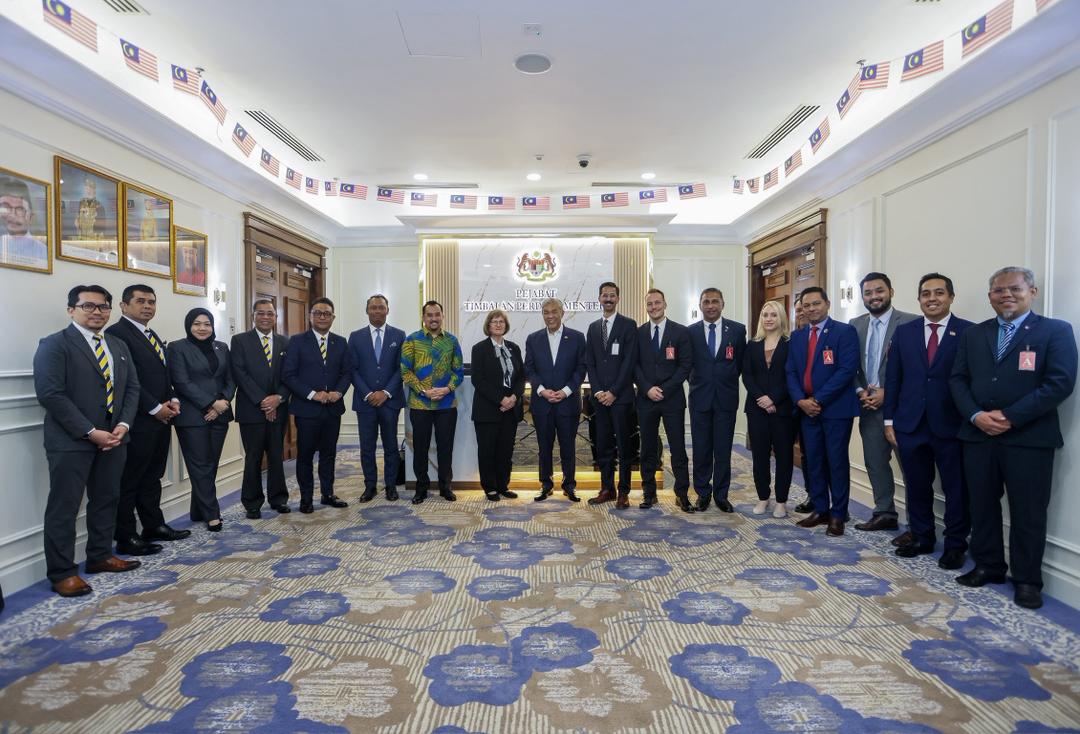
Malaysia is poised to become a regional hub for satellite innovation following a strategic partnership between Universiti Kuala Lumpur (UniKL), Finland’s ReOrbit Oy, and its Malaysian partner ReOrbit BTS Sdn. Bhd. (BTS).
The collaboration, commemorated on 22 September 2025 through a Letter of Intent (LoI), focuses on strengthening Malaysia’s human capital and technological capacity in satellite engineering and related fields.
Spanning two years, the partnership will leverage ReOrbit’s expertise in next-generation satellite systems with UniKL’s academic and research ecosystem, while BTS ensures integration with the local industry.
The LoI exchange was witnessed by the Deputy Prime Minister and Minister of Rural and Regional Development (KKDW), YAB Dato’ Seri Dr. Ahmad Zahid Hamidi; the Ambassador of Finland to Malaysia, H.E. Anne Vasara; Chairman of Majlis Amanah Rakyat (MARA), YBhg. Datuk Wira Dr. Asyraf Wajdi Dato’ Dusuki; Director General of MARA and Chairman of MARA Corporation Sdn. Bhd., YBhg. Dato’ Zulfikri Osman; and the Chairman of UniKL, YB Dato’ Sri Sh Mohmed Puzi Sh Ali.
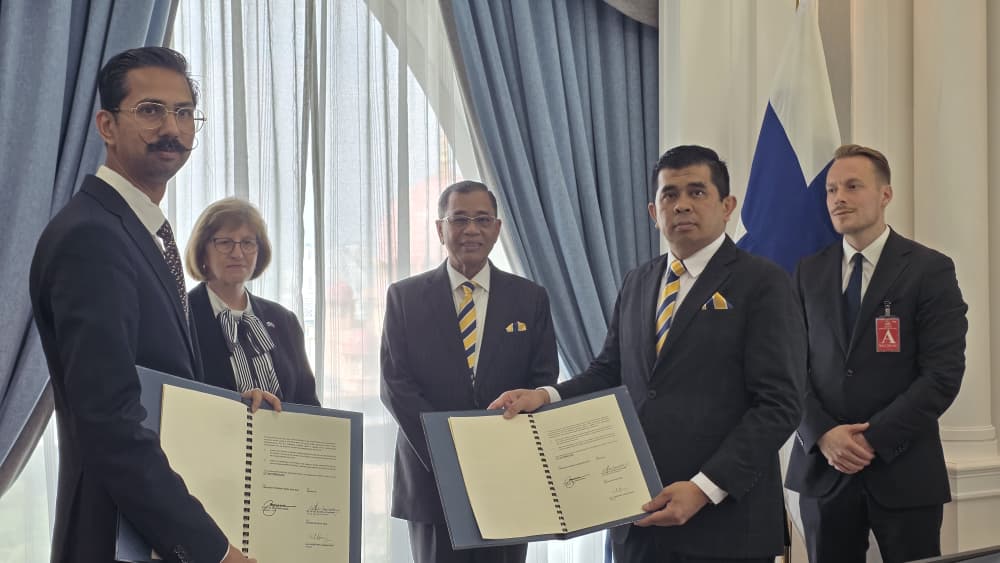
UniKL was represented by President/Chief Executive Officer, Prof. Ir. Dr. Azman Senin, while ReOrbit and ReOrbit BTS were represented by their Chief Executive Officer & Founder, Dr. Sethu Sevada Suvanam, and Director, Mr. Nik Harris Nik Kamaruddin, respectively.
This LoI establishes a foundation for collaboration in training, research, technology transfer, and potential national satellite initiatives.
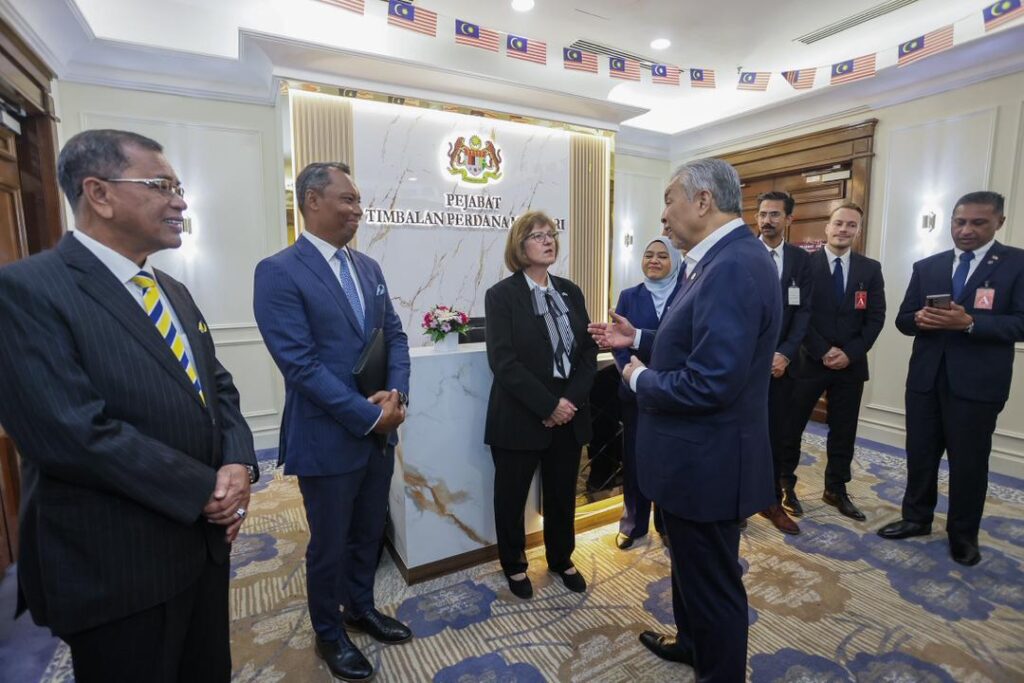
Spearheaded by Universiti Kuala Lumpur Malaysian Institute of Aviation Technology (UniKL MIAT), the partnership is expected to significantly strengthen Malaysia’s capabilities in aerospace and space technology.
Key outcomes include upskilling UniKL faculty, researchers, and students through workshops, internships, and mentorship programmes conducted by ReOrbit experts.
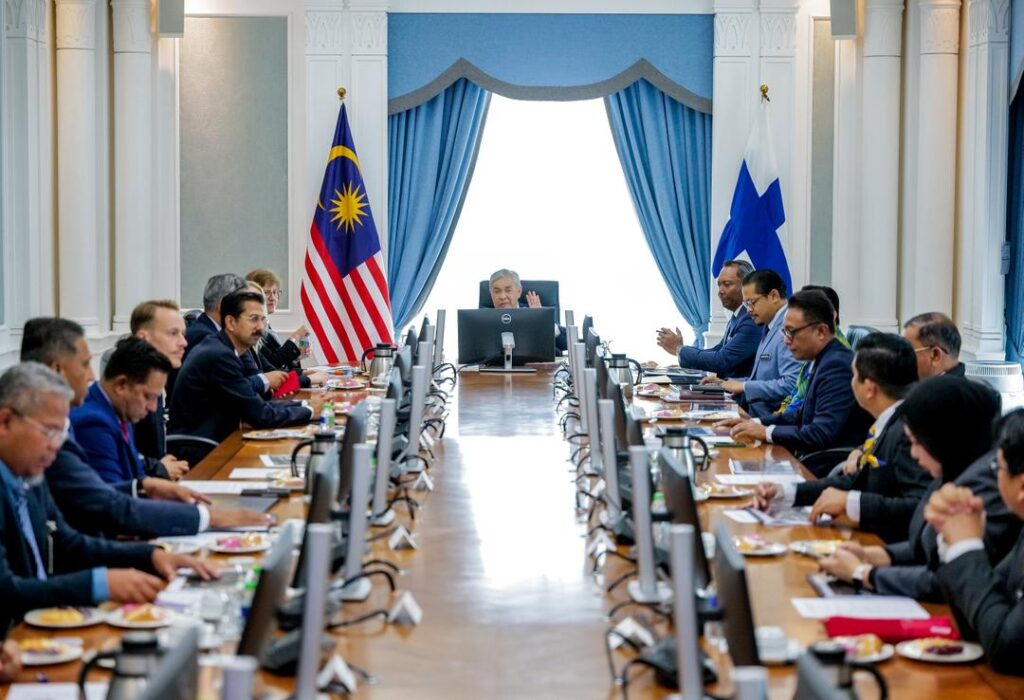
The collaboration will also drive joint research and development in emerging satellite and autonomous technologies, contributing to Malaysia’s aspirations for sovereign communications satellite projects.
Supporting the national aerospace agenda, this initiative fosters innovation, knowledge transfer, and the development of a future-ready talent pipeline that bridges academic research with industry needs.