

In 2024, Malaysia’s semiconductor exports were robust, reaching approximately RM575 billion, according to media reports.
Challenges exist, but none are insurmountable for Malaysia to become a semiconductor powerhouse.
The facts already show that the nation contributes about 13 percent of the world’s semiconductor testing and packaging, with increasing investments in integrated circuit (IC) design.
With around 7 percent of the global semiconductor market under its belt, Malaysia is setting its sights on doubling that figure to 14 percent by 2029 — driven by strategic investments and a growing edge in chip design.
In line with this aspiration, the Malaysian-Korean Knowledge Exchange Symposium: Key Area – Semiconductor Research & Technology offered game-changing insights, particularly on how the nation can learn from South Korea, often dubbed the “Kimchi Land.”
Organised by Universiti Kuala Lumpur’s (UniKL) Centre for Research and Innovation (CoRI) and the Centre for Innovative Digital Education and Emerging Technology (CIDEX), the event underscored Malaysia’s commitment to positioning itself as a regional hub for high-impact semiconductor research.
This aligns with global trends in artificial intelligence, smart systems, and advanced electronics.
Representing the host institution, UniKL Deputy President (Academic & Technology), Prof. Dr. Kushsairy Abd Kadir, presented UniKL’s latest initiatives in semiconductors, showcasing Malaysia’s potential in emerging semiconductor applications.
“Today’s symposium is more than an academic gathering — it marks the beginning of a stronger partnership between UniKL and our esteemed Korean counterparts.
“We recognise the immense potential in semiconductor innovation, and we are committed to developing joint research programmes, establishing cross-border research labs, and promoting two-way mobility for both students and staff in this critical area,” he said during his welcoming speech at the symposium, held on 28 April 2025.
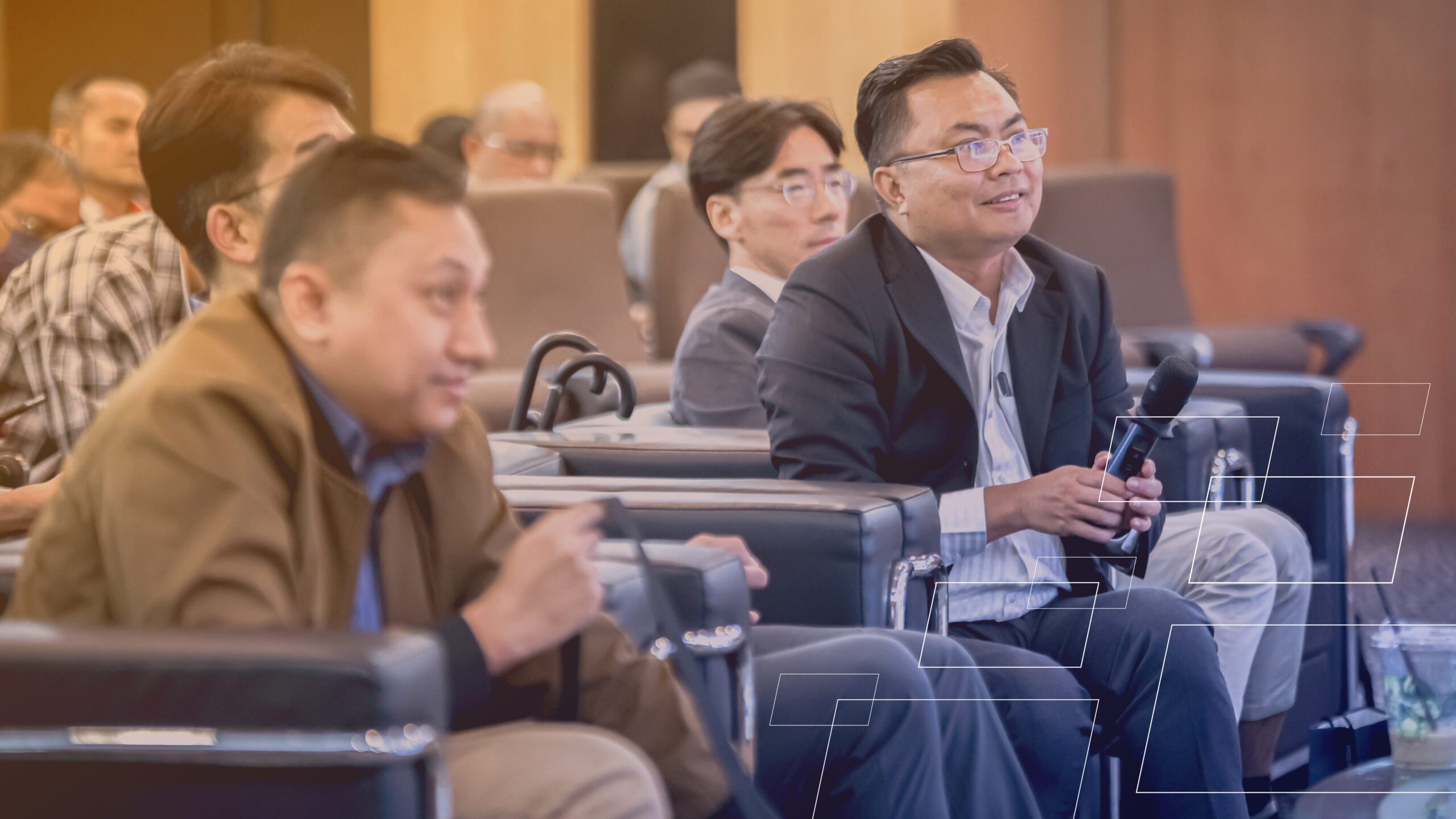
The event brought together world-class researchers and academic experts to share insights, foster partnerships, and explore frontiers in semiconductor technology.
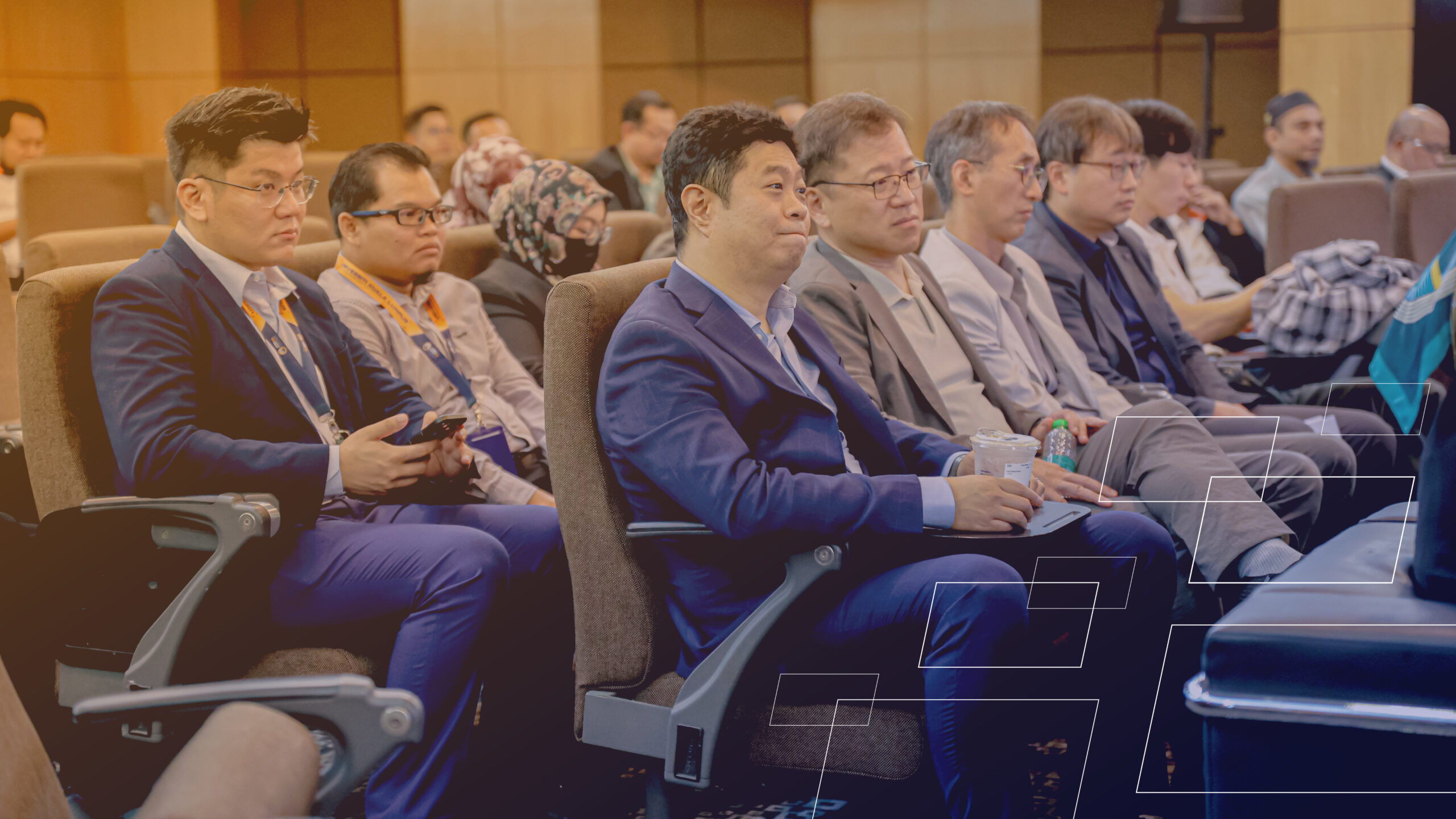
The symposium welcomed a line-up of distinguished researchers from South Korea’s leading institutions:
Assoc. Prof. Woo-Hee Kim (Hanyang University, ERICA Ansan) shared his research on Advanced Materials and Semiconductor Engineering, focusing on convergence technologies for next-generation devices.
Dr. Sanghoon Shin (Hanyang University, ERICA Ansan) presented cutting-edge developments in Advanced SoC Packaging and Semiconductor Reliability for AI and electric vehicle systems.
Prof. Younghak Cho (SEOULTECH) discussed innovations in Bio-MEMS fabrication and the application of micro/nano technologies in biomedical sensing.
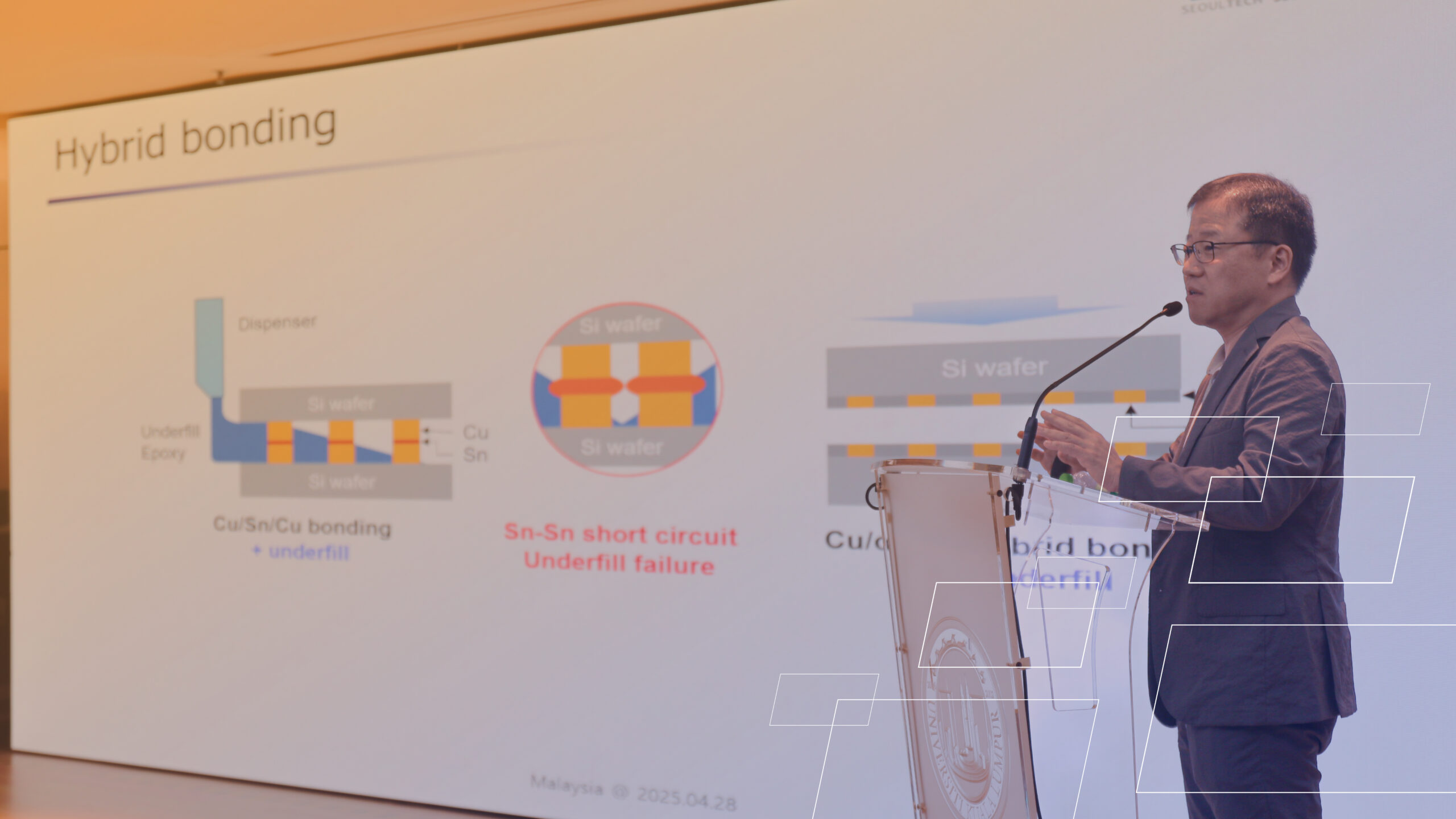
Prof. Sungdong Kim (SEOULTECH) provided insights into Hybrid Bonding for Heterogeneous Integration, a critical technique for 3D chip integration.
Assoc. Prof. Dahoon Ahn (SEOULTECH) captivated attendees with his work on Ultra-Precision Systems and Electromagnetic Actuators used in magnetic levitation technologies.
The symposium was also honoured by Prof. Yoo Bong Young, Vice President of the International Office (SEOULTECH), and Prof. Hwang, Vice President for International Affairs (SEOULTECH).
Looking ahead, UniKL aims to expand future editions of the symposium by involving more Malaysian universities — creating a broader collaborative platform for semiconductor innovation across the nation and beyond.