
A research visit to Indonesia that began with discussions on advanced biomaterials and 3D printing offered a Universiti Kuala Lumpur (UniKL) academic something equally valuable: new research perspectives and a deeper appreciation of the human connections that underpin international collaboration.
Ts. Dr. Mohd Al-Fatihhi bin Mohd Szali Januddi from UniKL Malaysian Institute of Industrial Technology (UniKL MITEC) participated in a five-day research mobility programme at Universitas Sriwijaya (UNSRI), Palembang, Indonesia, from 31 August to 4 September 2026.
Supported by the UniKL Global Research Mobility Incentive 2026, the visit to UNSRI’s Faculty of Engineering provided an opportunity to exchange scientific expertise, explore potential research partnerships and strengthen academic connections between Malaysia and Indonesia.
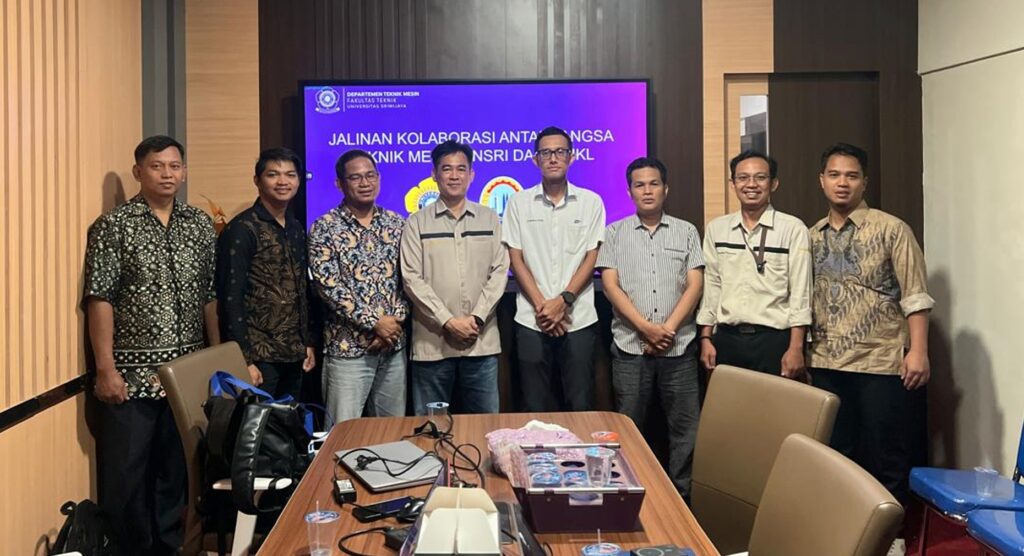
The engagement centred on advanced engineering materials, particularly the development of three-dimensional (3D) printed polylactic acid (PLA)–metal composite scaffolds for potential applications in bone tissue engineering.
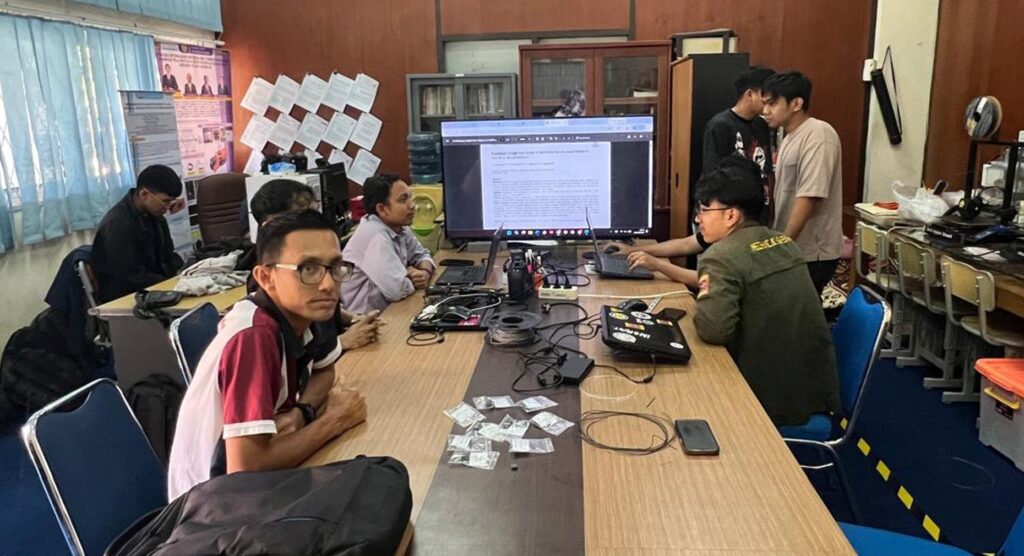
During the programme, Ts. Dr. Mohd Al-Fatihhi engaged with UNSRI researchers in technical discussions, laboratory visits and preliminary specimen design and preparation activities.
The research exchange focused on engineering biomaterials, additive manufacturing, material degradation and computational modelling, with particular attention to the challenges of developing materials for potential biomedical applications.
Among the areas explored were material selection, fabrication methods, mechanical performance and future experimental investigations involving 3D-printed composite scaffolds.
Such research is relevant to the development of implant biomaterials, where mechanical reliability, structural integrity and biological requirements are important considerations.
Beyond the technical discussions, the engagement allowed researchers from both institutions to exchange perspectives on scientific approaches, available facilities and methodologies.
These interactions highlighted opportunities to draw upon complementary research expertise while identifying possible directions for continued experimental work.
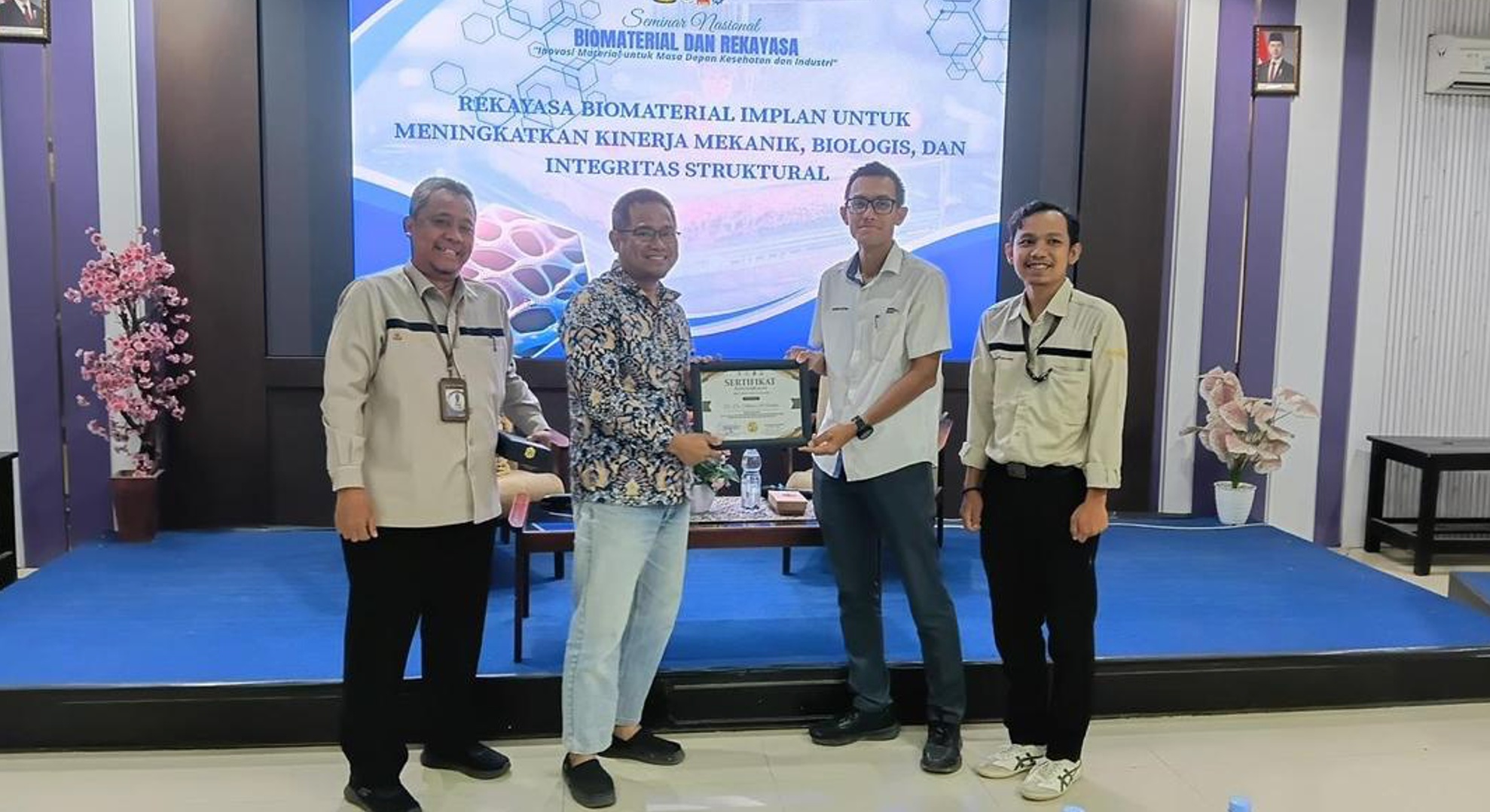
Knowledge exchange formed another key component of the programme, with Ts. Dr. Mohd Al-Fatihhi delivering an invited seminar titled “Engineering Implant Biomaterials: Enhancing Mechanical & Biological Performance & Structural Integrity.”
The seminar examined the challenges of developing biomaterials that balance mechanical performance with biological requirements, providing a platform for academic dialogue with UNSRI researchers and students.
The experience also reinforced the importance of mutual learning in international research collaboration, where sharing expertise is accompanied by opportunities to gain different perspectives and approaches to scientific challenges.
For Ts. Dr. Mohd Al-Fatihhi, however, one of the most memorable aspects of the visit extended beyond the laboratories and academic discussions.
The hospitality and personal engagement shown by his Indonesian counterparts left a lasting impression, reminding him that meaningful international partnerships are built not only through publications, research grants or formal agreements, but also through trust, openness and mutual respect.
“I travelled to Sriwijaya to exchange knowledge, but I returned with a valuable lesson in how we should value the people who come to share it,” he reflected.
The mobility programme also provided a starting point for exploring continued collaboration in specimen development, material characterisation, degradation studies, mechanical testing and computational analysis.
While these remain potential areas for future work, the discussions established research directions that could support further cooperation between academics from UniKL and Universitas Sriwijaya.
The engagement also involved contributions from colleagues at Universiti Teknologi Malaysia (UTM), reflecting the value of academic knowledge exchange involving researchers from different institutions.
At the institutional level, the programme highlights UniKL’s commitment to international research mobility and the development of academic relationships that support knowledge exchange and collaborative research.
The initiative aligns with the United Nations Sustainable Development Goals (SDGs), particularly SDG 3: Good Health and Well-Being, through research with potential applications in biomedical engineering; SDG 9: Industry, Innovation and Infrastructure, through advanced materials research and additive manufacturing; and SDG 17: Partnerships for the Goals, through international research engagement.