
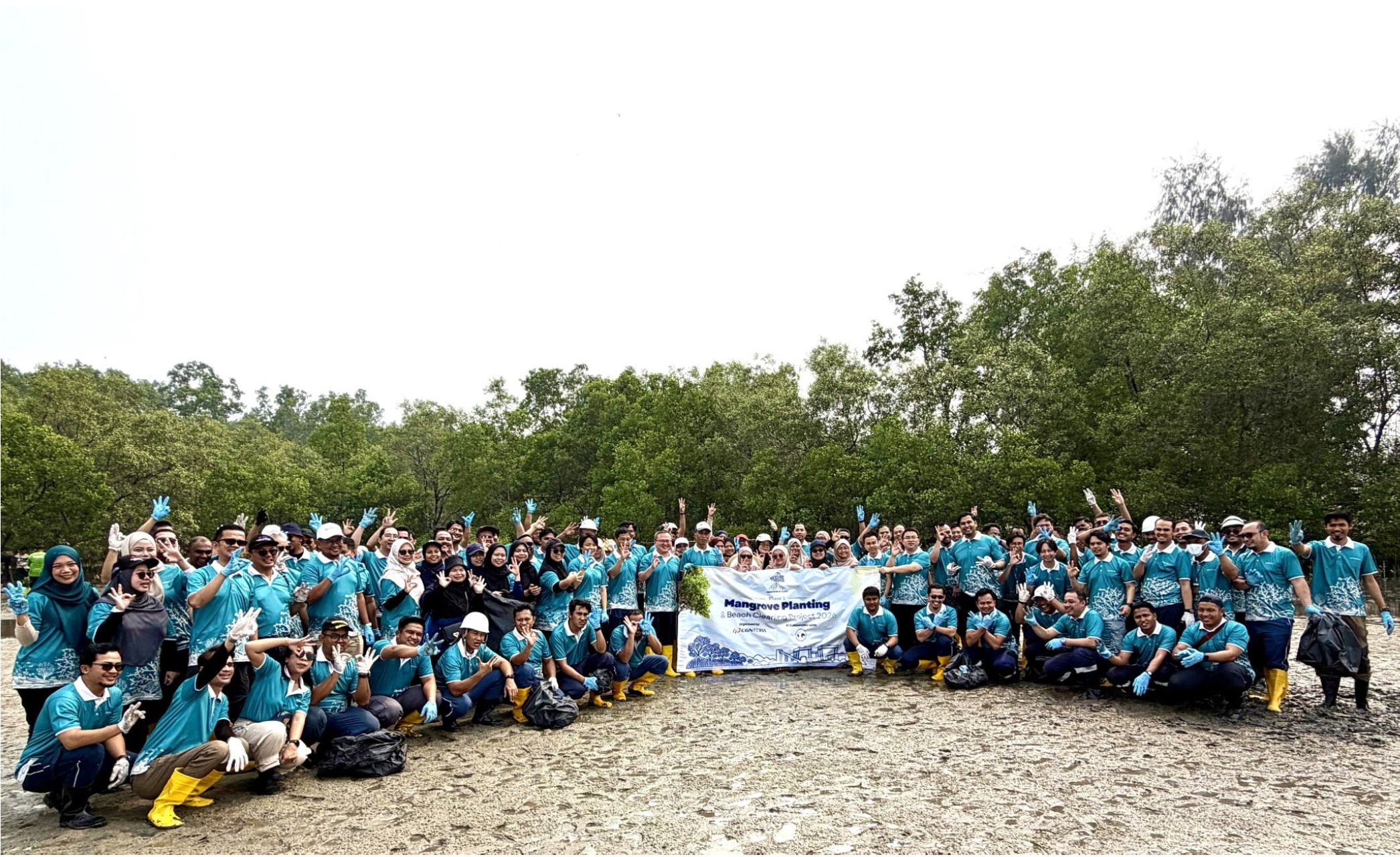
A total of 600 mangrove saplings were planted and approximately 100 kilogrammes of coastal waste collected during a mangrove restoration and beach clean-up initiative at Jimah Power Plant, Negeri Sembilan.
Universiti Kuala Lumpur Malaysian Institute of Chemical and Bioengineering Technology (UniKL MICET) participated in the environmental conservation programme organised by Edra Power Holdings in collaboration with the Malaysian Nature Society (MNS).
The initiative attracted approximately 140 participants, including four UniKL MICET lecturers, reflecting a collective commitment to environmental sustainability, biodiversity conservation and community engagement.
Now in its third consecutive year, the mangrove restoration programme has seen more than 2,600 mangrove saplings planted along the coastline since 2024, contributing to ongoing efforts to rehabilitate coastal habitats.
Mangrove forests play an important role in protecting coastlines against erosion, providing habitats for marine biodiversity and storing carbon, making their restoration an important component of climate change mitigation and environmental conservation.
Beyond mangrove planting, participants also took part in a beach clean-up activity, removing approximately 100 kilogrammes of waste from the coastal environment.
The activity highlighted the importance of responsible waste management and collective action in reducing coastal pollution, which can threaten marine ecosystems and surrounding communities.
The programme brought together representatives from the Department of Environment (DOE) Putrajaya, Department of Occupational Safety and Health (DOSH) Negeri Sembilan, TNB Jimah East Power (JEP), Universiti Teknologi MARA (UiTM) Shah Alam, Edra Power Holdings and the Port Dickson Area Fishermen’s Association.
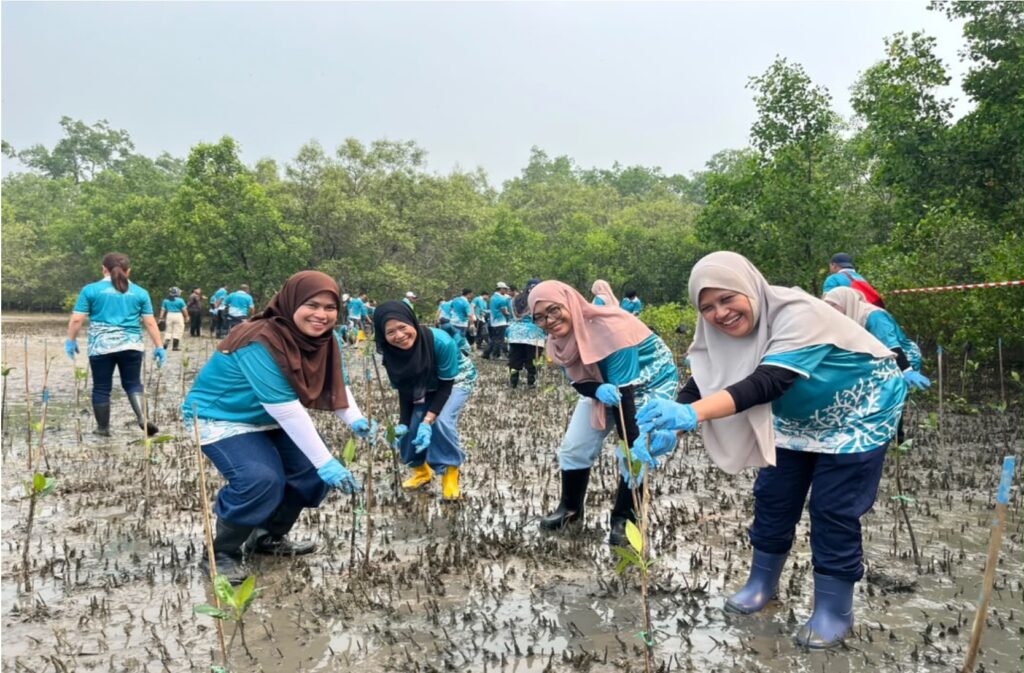
The involvement of government agencies, higher education institutions, industry representatives and local communities demonstrated how cross-sector collaboration can contribute to environmental protection and sustainable coastal management.
For UniKL MICET, participation in the initiative provided an opportunity to engage in environmental conservation activities beyond the academic setting while supporting broader efforts to address sustainability challenges.
The initiative also reflects Universiti Kuala Lumpur’s (UniKL) commitment to environmental sustainability, industry engagement and community-based initiatives, connecting its educational mission with practical action towards sustainable development.
The programme aligns with the United Nations Sustainable Development Goals (SDGs), particularly SDG 13: Climate Action, through mangrove restoration efforts that support climate resilience and carbon storage.
It also contributes to SDG 14: Life Below Water, by supporting marine habitat conservation and reducing coastal pollution, and SDG 15: Life on Land, through the restoration and protection of coastal ecosystems.
Additionally, the collaboration among industry, academic institutions, government agencies and community organisations reflects SDG 17: Partnerships for the Goals, highlighting the importance of collective efforts in addressing environmental challenges.