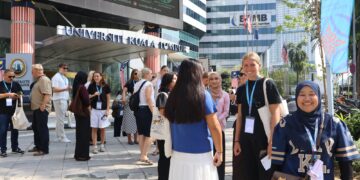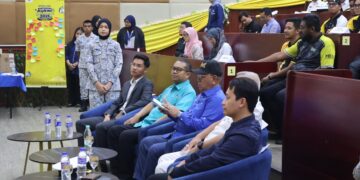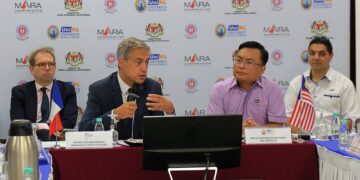


Universiti Kuala Lumpur Malaysian Institute of Marine Engineering Technology (UniKL MIMET) expanded its global research and innovation network through the UniKL Global Research Mobility Programme at Xi’an Jiaotong-Liverpool University (XJTLU), Taicang Campus, China, from 17 to 23 August 2026.
The programme placed marine technology, robotics, research commercialisation and technopreneurship at the centre of an international knowledge exchange, creating opportunities for UniKL MIMET to explore how emerging technologies can move beyond laboratories into practical and commercially viable solutions.
Representing UniKL MIMET was Dr. Siti Noor Kamariah Yaakop, Head of Section, Teknoputra and Senior Lecturer, who undertook the mobility under the theme “Bridging Research Innovation and Technopreneurship for Sustainable Ocean Applications.”
A key focus of the mobility was benchmarking how a technology-driven university connects academic research, technological development, entrepreneurship and industry.
The programme explored areas including technology commercialisation, innovation ecosystem management, university–industry collaboration, startup development and marine robotics, providing useful insights for strengthening UniKL MIMET’s own innovation ecosystem.
These insights are particularly relevant to Teknoputra and Genesispreneur, including efforts to nurture student startups and create stronger pathways for transforming student and research innovations into commercially viable products, services and technology ventures.
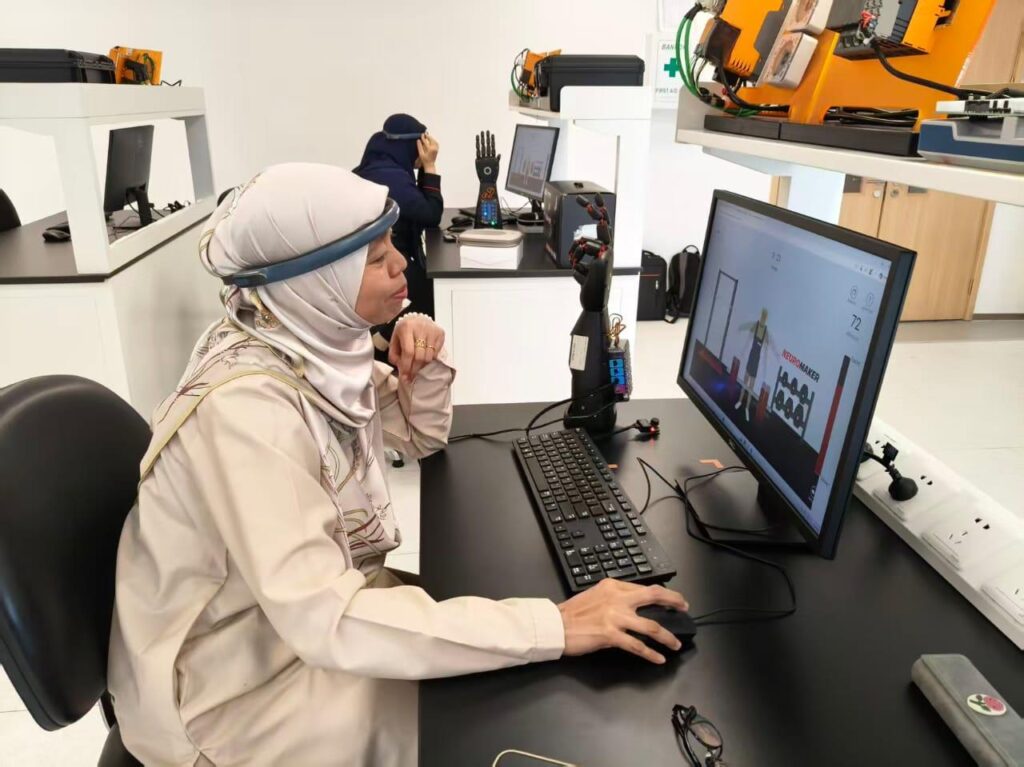
The mobility programme also provided hands-on exposure to XJTLU’s robotics research environment, including emerging human–machine interaction technologies and their potential role in technology-based entrepreneurship.
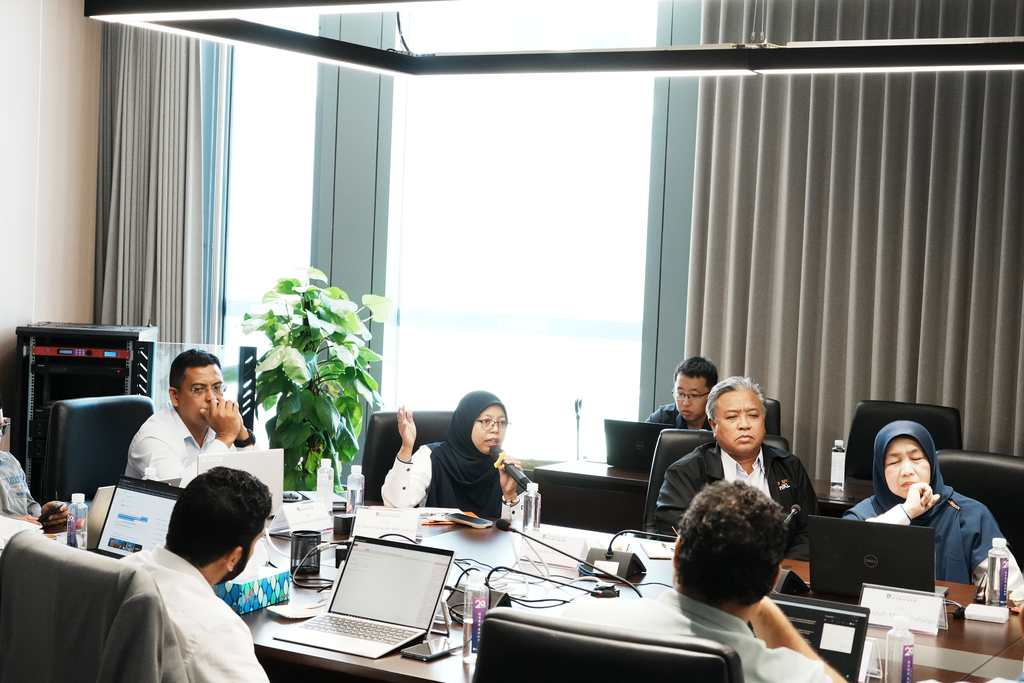
The international engagement extended into the ASEAN–XJTLU Embodied Intelligence Strategic Discussion, held on 20 and 21 August 2026 under the theme “Embodied AI for Real-World Intelligent Robotics: From Research to Deployment.”
The programme brought together XJTLU and representatives from seven ASEAN partner universities, strengthening ASEAN–China academic engagement in embodied intelligence and intelligent robotics.
Research areas featured during the programme included embodied artificial intelligence (AI), medical robotics, industrial robotics, marine robotics, human–robot interaction and intelligent control.
For UniKL MIMET, marine robotics carried particular relevance because of its potential application in sustainable ocean technologies and its ability to translate advanced engineering research into future maritime products, services and technology ventures.
This connection between AI, robotics and maritime engineering also reinforces UniKL MIMET’s positioning within future-facing research areas where technological innovation can address real-world industrial and environmental challenges.
Beyond knowledge exchange, the programme moved towards longer-term research collaboration.
One of the significant developments was the proposed establishment of the ASEAN–XJTLU Embodied Intelligence Network, supported by an international steering structure and thematic research groups.
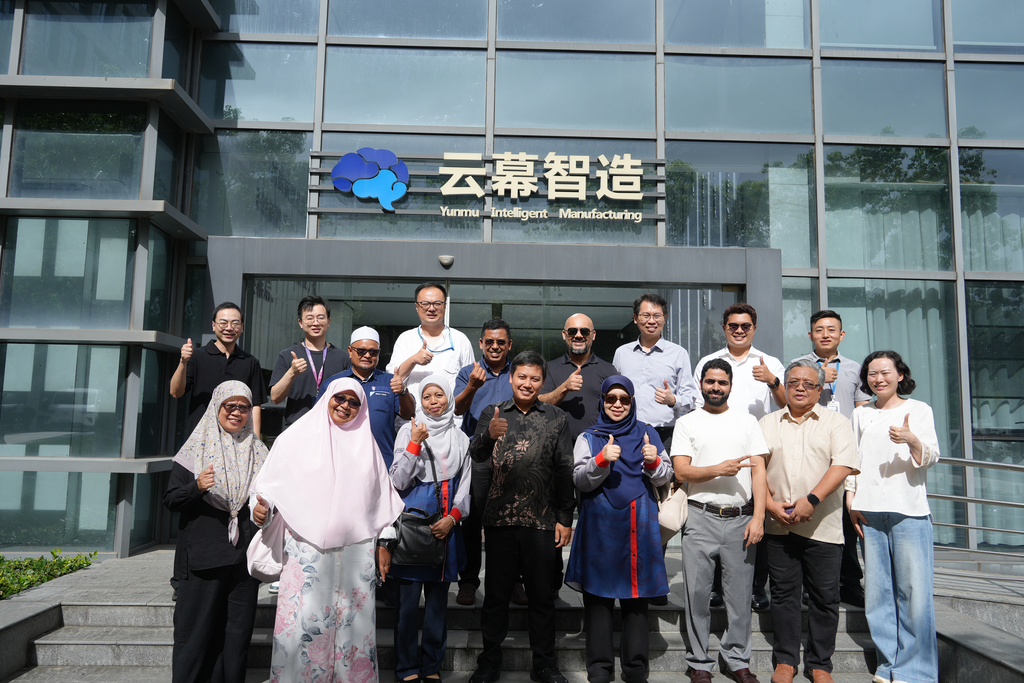
Discussions also contributed towards a roadmap for the proposed ASEAN–XJTLU Embodied Intelligence Forum (AXEIF) 2027, creating another platform through which universities could pursue collaborative research, publications, international grants, talent mobility and institutional partnerships.
This mobility programme has particularly strong alignment with SDG 4: Quality Education, through international research mobility and academic knowledge exchange; SDG 9: Industry, Innovation and Infrastructure, through robotics, technology commercialisation and industry-linked research; SDG 14: Life Below Water, through the programme’s sustainable ocean applications and marine technology focus; and SDG 17: Partnerships for the Goals, through ASEAN–China research collaboration, institutional partnerships and proposed international research networks.