
For many, the study of the Quran and Sunnah is closely associated with traditional Islamic scholarship.
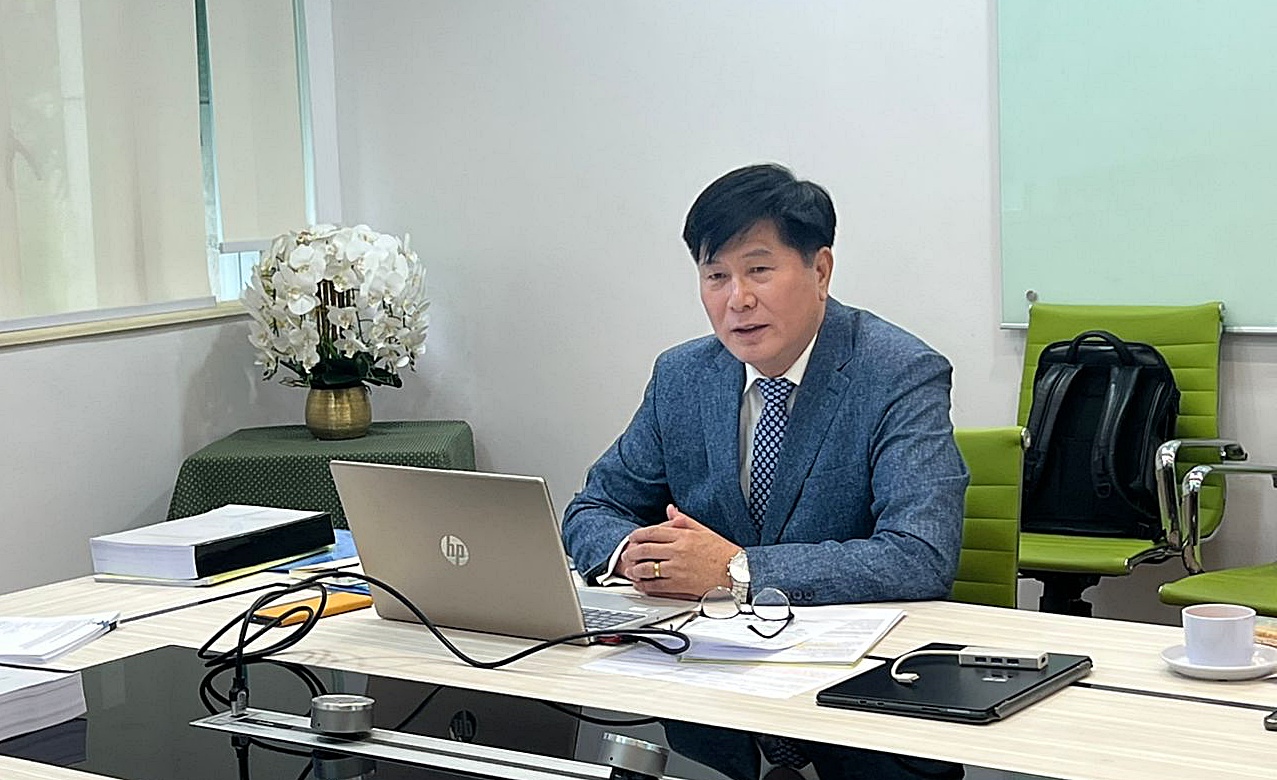
Yet for Assoc. Prof. Dr. Rou Seung Yoan, a Korean academic teaching at Universiti Kuala Lumpur (UniKL), has pursued Islamic knowledge, which has become an unexpected yet meaningful academic journey that bridges cultures, languages, and perspectives.
This journey recently culminated in his completion of a Doctor of Philosophy (PhD) in Quran and Sunnah at Universiti Kebangsaan Malaysia (UKM), and according to him, the decision to pursue the field was driven purely by intellectual curiosity.
“After completing my studies in Islamic Knowledge and Heritage at the International Islamic University Malaysia (IIUM), I developed a broader academic interest in Islamic studies as a whole.
“My decision to pursue doctoral research in Quran and Sunnah was motivated by an intellectual desire to engage more deeply with Islamic thought within contemporary social contexts,” he said.
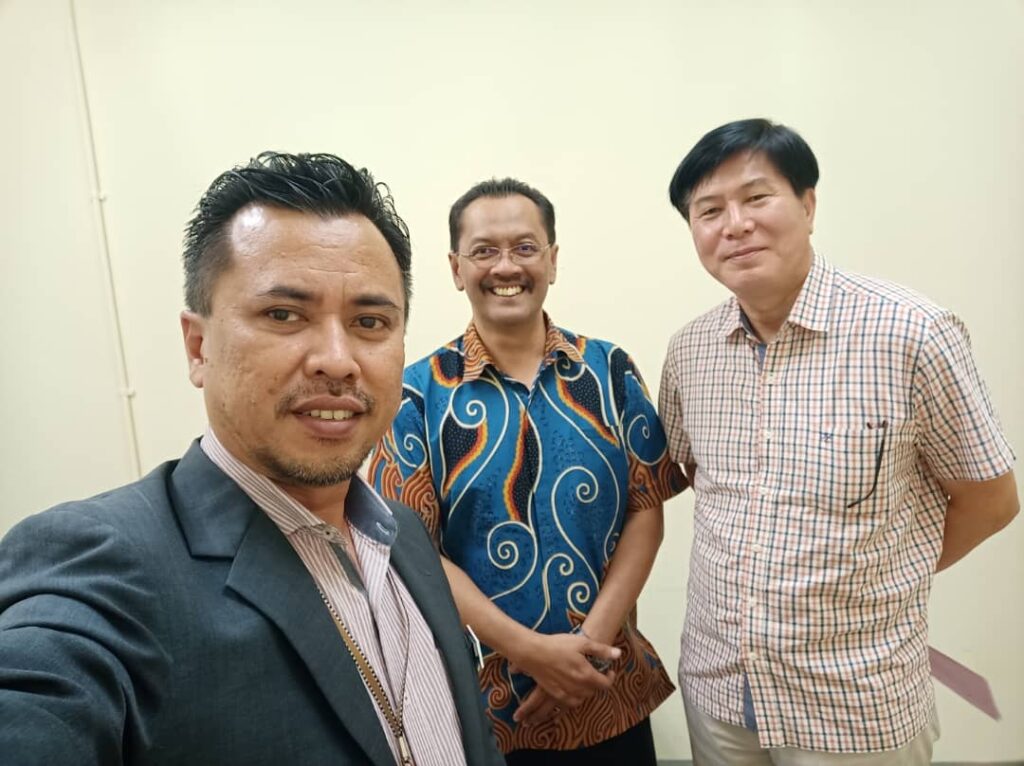 His academic journey began with a Bachelor’s and Master’s degree in Arabic Language and Literature at Hankuk University of Foreign Studies in Korea, followed by a second Master’s at IIUM, where he took courses related to the Qur’an and Sunnah.
This early exposure laid the foundation for his growing interest in Islamic scholarship.
Building on this foundation, his doctoral research focused on young Malaysian Muslim women, particularly in relation to cultural transformation, identity negotiation, and the influence of global cultural flows.
The study examined how Islamic values interact with contemporary cultural phenomena within Malaysian society.
According to Assoc. Prof. Dr. Rou, the findings revealed that young Muslim women do not passively absorb external cultural influences.
 Instead, they actively engage in selective adaptation, filtering, and reinterpretation in accordance with Islamic principles. This demonstrates a dynamic and negotiated form of cultural reception rather than simple acceptance or rejection.
“On a personal level, the research deepened my appreciation for the complexity of faith in contemporary society. Academically, it reinforced the importance of contextual and evidence-based approaches when discussing religion and culture.
“I believe the findings can be useful not only for scholars, but also for policymakers in both Malaysia and Korea, as well as stakeholders in education and cultural industries,” he added.
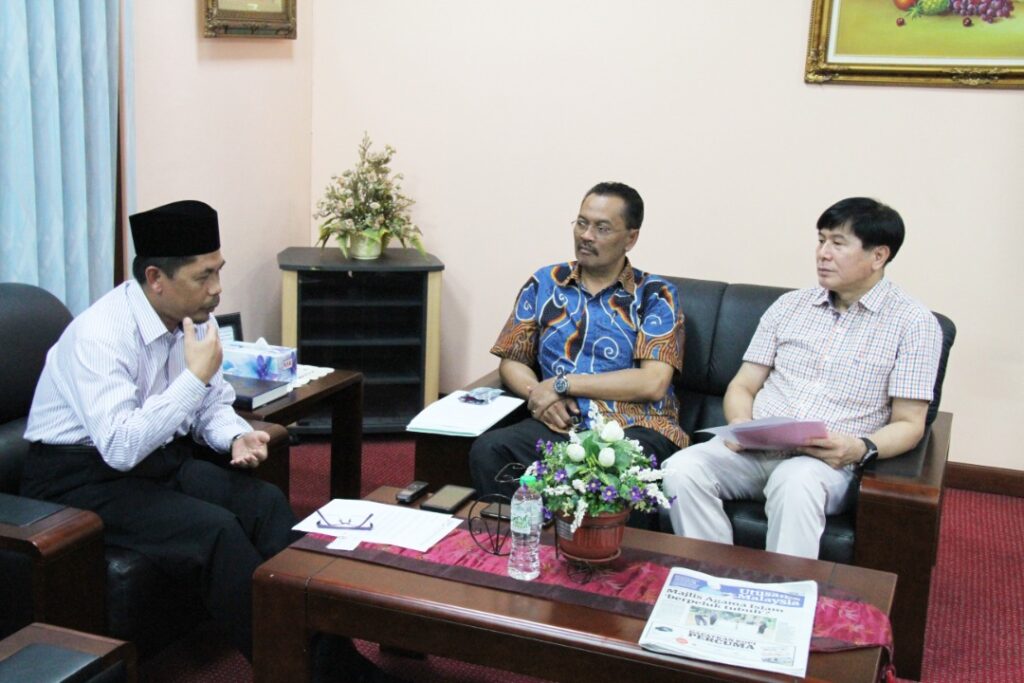
Beyond his academic research, Assoc. Prof. Dr. Rou has also played a key role in strengthening Korean language education and cultural exchange in Malaysia. He joined UniKL in 2023, bringing with him decades of experience in Korean language education, intercultural studies, and Islamic cultural engagement.
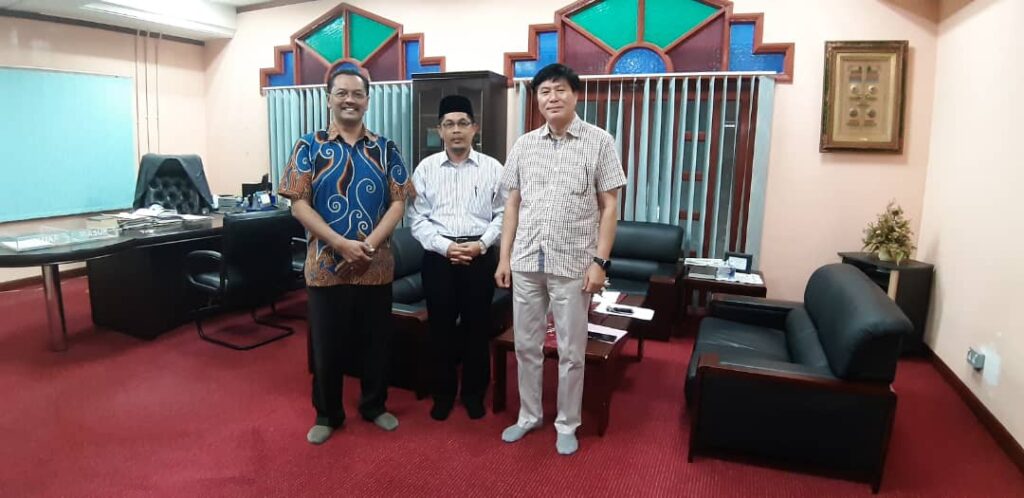
Among his notable contributions is the establishment of UniKL as an official Test of Proficiency in Korean (TOPIK) examination centre, recognised by the National Institute for International Education (NIIED) under the Ministry of Education, Korea.
The initiative has also expanded TOPIK examination access to the northern and southern regions of Malaysia, including Kulim and Johor Bahru.
Since October 2023, UniKL has been organising TOPIK examinations for Malaysians as well as international candidates residing in the country.
In addition, Assoc. Prof. Dr. Rou successfully secured approval for UniKL to be recognised as a King Sejong Institute, under the King Sejong Institute Foundation (KSIF) of the Ministry of Culture, Sports and Tourism, Korea.
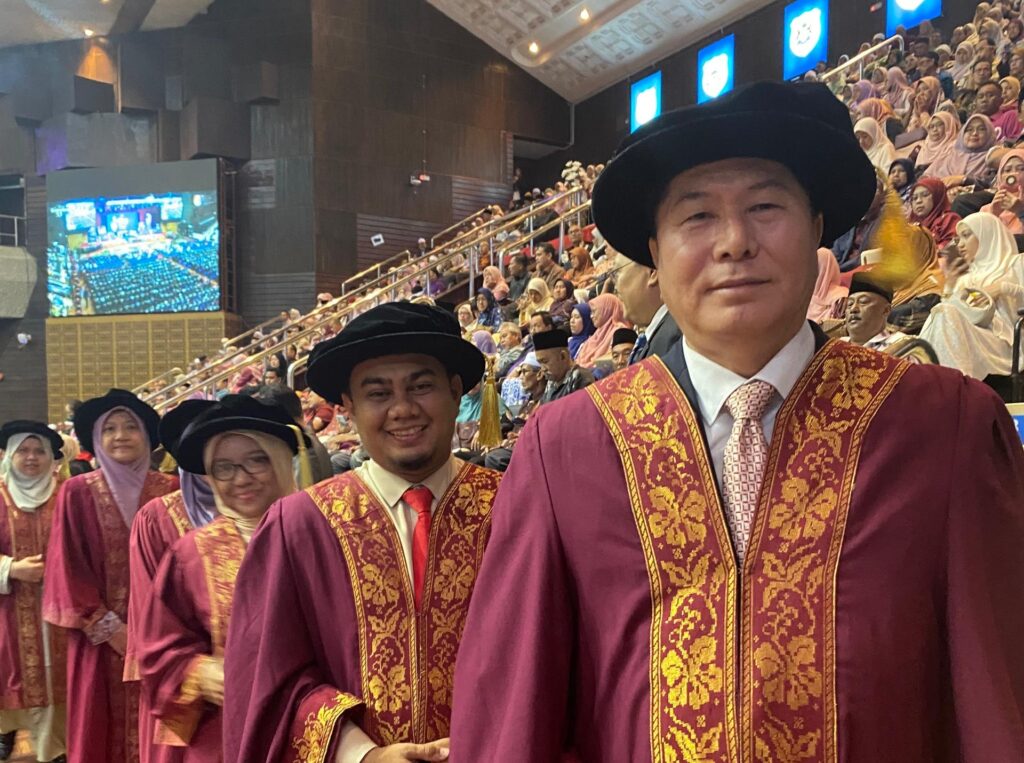
Looking ahead, Assoc. Prof. Dr. Rou hopes to continue building academic bridges between the two countries, particularly in the fields of language education, intercultural studies, and the engagement of Islamic scholarship with global cultural discourse.
“I also intend to expand research collaborations and publish further studies that contribute to both academic discourse and policy development. I am also considering pursuing the Professional Halal Executive Management course at JAKIM, although this will depend on my time, as my duties and work for UniKL definitely come first.
“I hope my journey demonstrates that cross-cultural scholarship is not only possible but necessary. Engaging Islamic studies within global academic frameworks can enrich both local understanding and international dialogue,” he said.
Note: In line with Malaysia’s aspiration to achieve the Sustainable Development Goals (SDGs), Universiti Kuala Lumpur (UniKL) continues to strengthen and expand its efforts through various initiatives. This article particularly supports SDG 4 (Quality Education).