
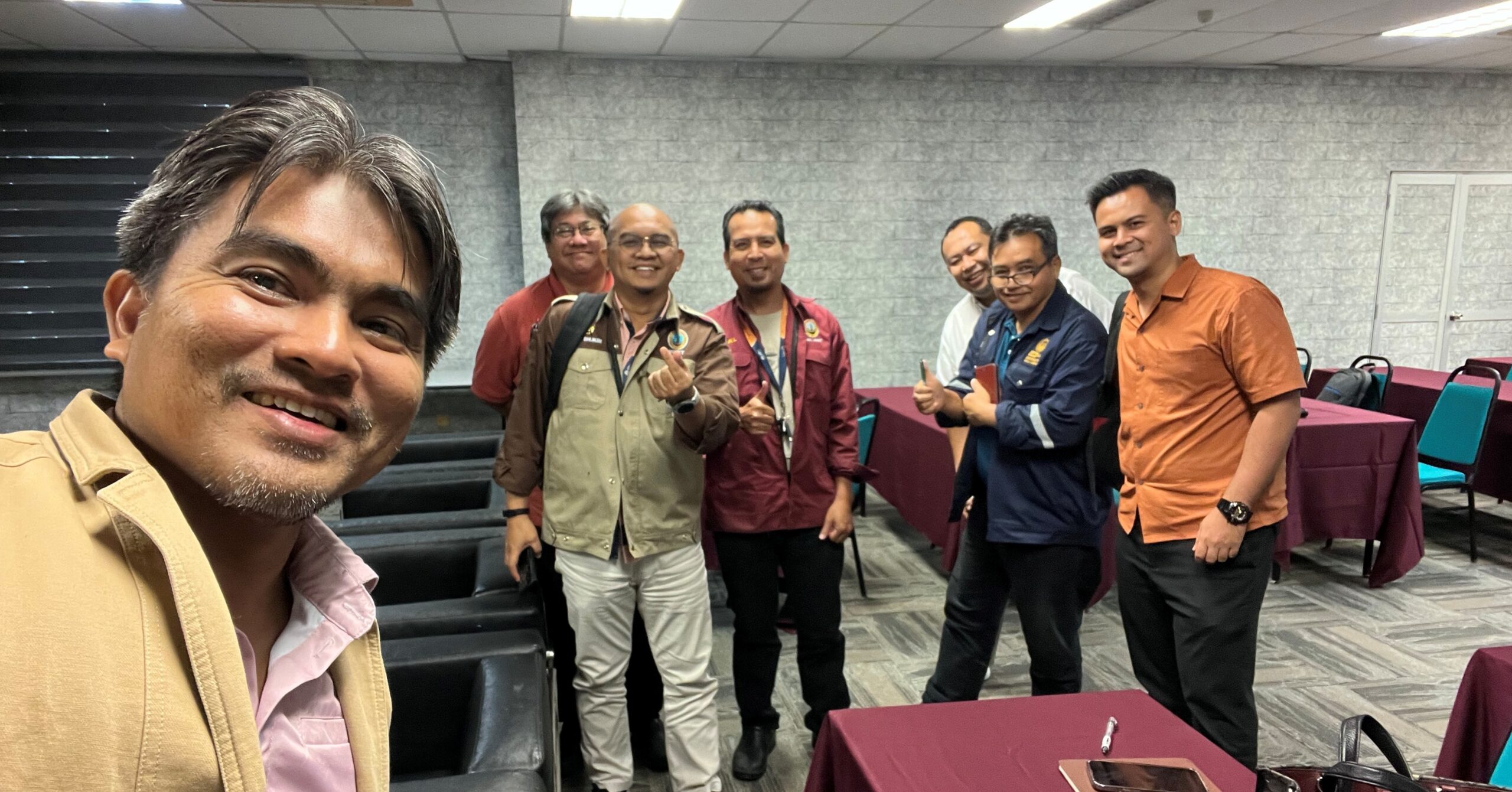
UniKL Malaysian Institute of Marine Engineering Technology (MIMET) conducted an exclusive Academic Writing Mentorship Programme involving six former marine professionals, consisting of ex-Chief Engineers and Marine Specialists with extensive real-world experience in ship operation and technical management.
Notably, the participants had no prior background or experience in academic writing, making this programme a meaningful first step into scholarly documentation.
The initiative was designed to guide participants in transforming their onboard experience, ranging from engine room operations and maintenance routines to risk management and emergency handling, into formal written knowledge that can be academically referenced and published.
The programme introduced them to academic writing structure, technical storytelling, case study formulation, and engineering incident documentation.
This initiative supports the United Nations Sustainable Development Goals (SDGs) by promoting knowledge transfer through structured academic writing (SDG 4), fostering innovation in maritime engineering practices through documented maintenance and operational insights (SDG 9), and indirectly contributing to safer vessel operations and environmentally responsible maritime activities (SDG 14).
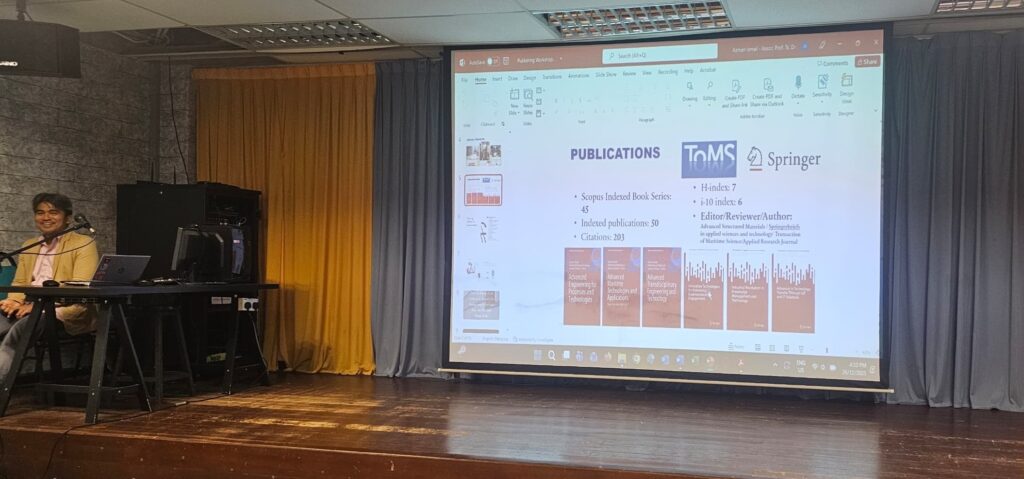
The session was facilitated by Assoc. Prof. Ts. Dr. Azman Ismail, Coordinator of the Centre for Women Advancement and Leadership (CWAL) at UniKL MIMET and an active editor with Springer Nature and Wiley.
He highlighted the significance of preserving maritime knowledge possessed by ex-mariners.
“They carry an ocean of experience from years at sea. With the right guidance, their hands-on technical knowledge can be documented and shared for the benefit of future seafarers, researchers, and maritime practitioners,” he said.
Throughout the mentorship, participants successfully developed early drafts of manuscripts based on real shipboard cases using the story-to-science writing approach.
These works will later be considered for publication as journal articles, book chapters, or industry training modules.
This initiative establishes a collaborative bridge between industry practitioners and academia, contributing to the development of a sustainable Maritime Knowledge Repository for UniKL while ensuring that operational shipboard experience continues to live beyond practice.