
The Alumni Engagement Insights Workshop and Iftar Programme provided a valuable platform for Universiti Kuala Lumpur Malaysian Institute of Information Technology (UniKL MIIT) to discuss the latest industry standards in relation to its academic programmes.
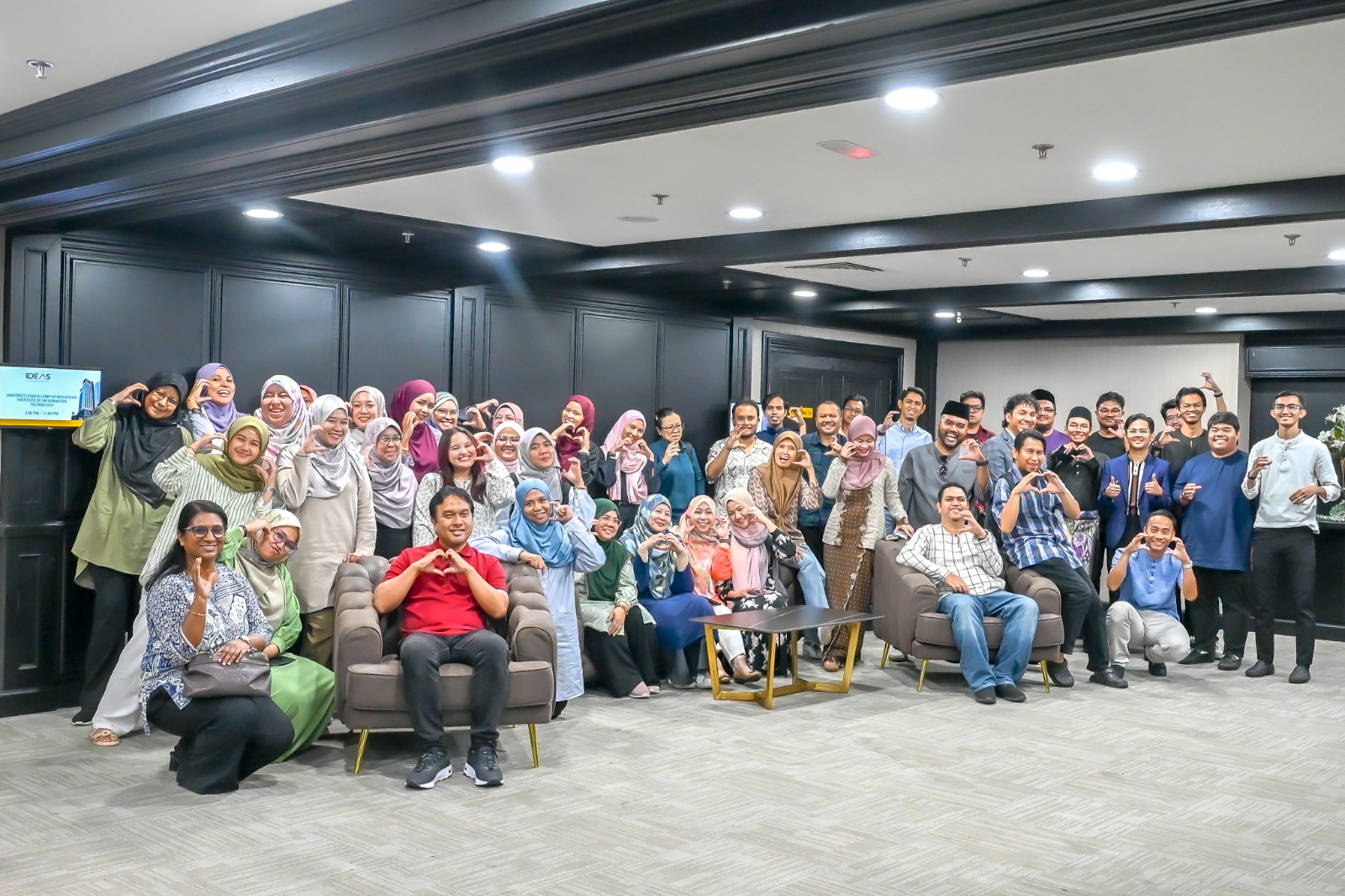
The programme brought together 25 UniKL MIIT alumni and academic and administrative staff, strengthening engagement between the institution and its alumni community while collecting valuable insights from industry practitioners.
Organised through a collaboration between the Alumni Unit and the Academic Section of UniKL MIIT, the programme was successfully held on 28 February 2026 at IDEAS Hotel Kuala Lumpur.
The workshop served as an important platform to recognise alumni as key stakeholders in the curriculum review and development process.
Among the alumni who shared their perspectives was Mohd Arif Hamidi bin Sayuti, a 2005 graduate of the Diploma in Multimedia (DIM) programme. He is currently the founder of Pivo Creative & Digital Services, Arena Futsal Malaysia, and Living Minds Sdn Bhd.
Drawing on his industry experience, he provided constructive feedback and professional insights relevant to the institute’s programmes.
During the session, discussions focused on industry-relevant technical knowledge, required competencies, and the tools and technologies currently utilised in the industry.
The input provided by the alumni plays a significant role in ensuring that the academic programmes remain relevant, responsive, and aligned with current industry requirements.
In addition, the engagement session explored employment and recruitment trends, including the positions currently held by alumni and the potential career pathways available for graduates.
These insights will support the Academic Section in strengthening programme quality and enhancing graduate employability.
Note: In line with Malaysia’s aspiration to achieve the Sustainable Development Goals (SDGs), Universiti Kuala Lumpur (UniKL) continues to strengthen and expand its efforts through various initiatives. This article particularly supports SDG 4 (Quality Education) and SDG 8 (Decent Work and Economic Growth).