

Unclear problem statements, weak research objectives and lengthy revision processes remain common challenges faced by academic writers.
As a result, many researchers are increasingly turning to artificial intelligence (AI) tools in search of practical ways to overcome these hurdles.
However, Ts. Dr. Wan Azani Wan Mustafa of Universiti Malaysia Perlis (UniMAP) emphasised that AI should serve as a support tool rather than a shortcut, particularly in refining research ideas, structuring proposals more clearly and improving the overall flow of academic writing.
“When used responsibly, AI can help researchers work more efficiently while maintaining academic integrity and preserving the researcher’s own voice,” he said when invited by Universiti Kuala Lumpur Malaysian Institute of Marine Engineering Technology (UniKL MIMET) to share his experience during the Grant Writing Workshop: From Ideas to Fundable Proposals.
Recognised internationally as one of the scientists listed among the World’s Top 2% Scientists, Ts. Dr. Wan Azani shared practical insights on developing competitive grant proposals, particularly in engineering and technology research.
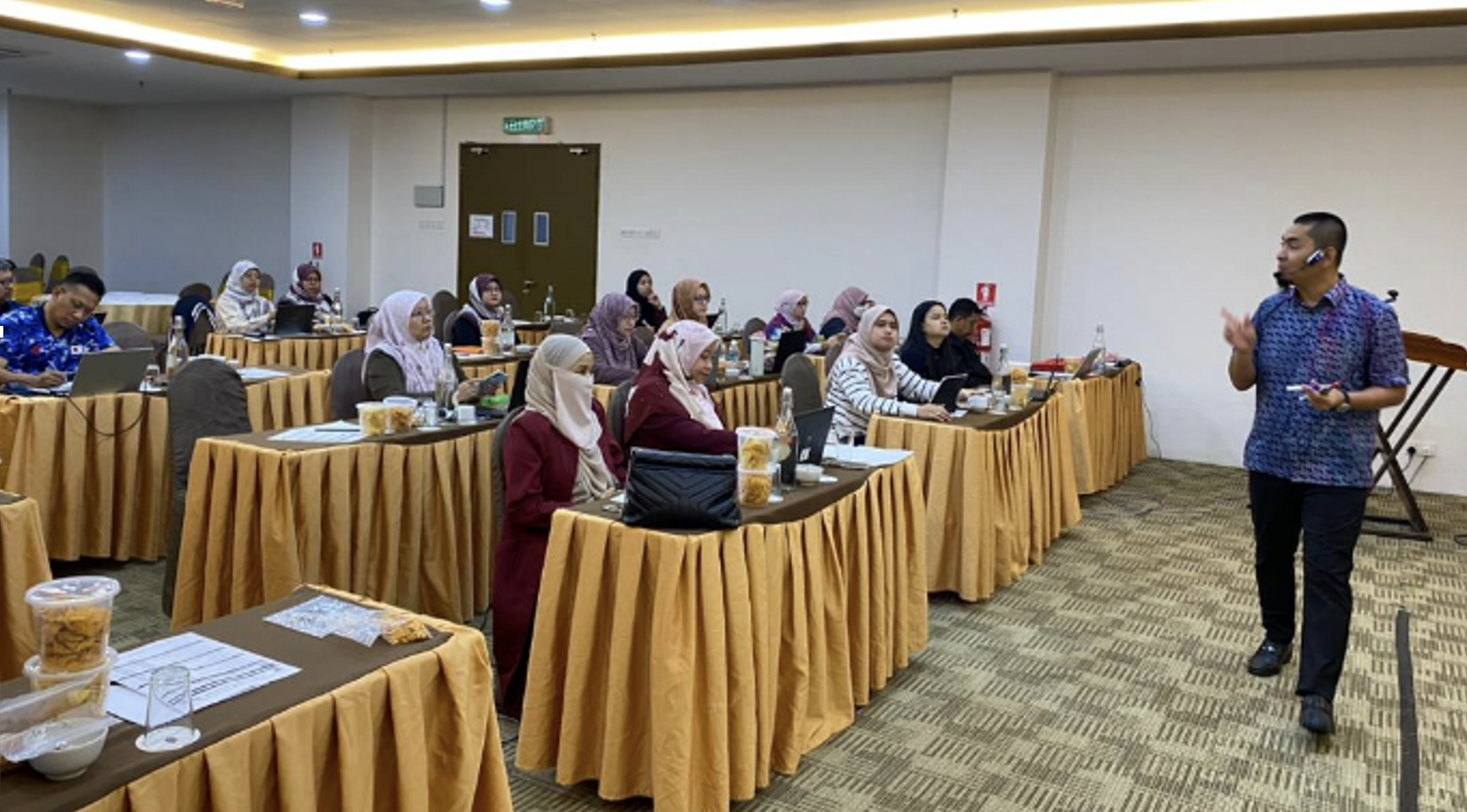
Rather than focusing purely on theory, the sessions addressed common challenges often faced by researchers, including refining research problems, strengthening objectives and aligning proposals with funding expectations.
Hands-on activities also allowed participants to apply the techniques directly to their own research proposals, making the learning process practical and immediately beneficial.
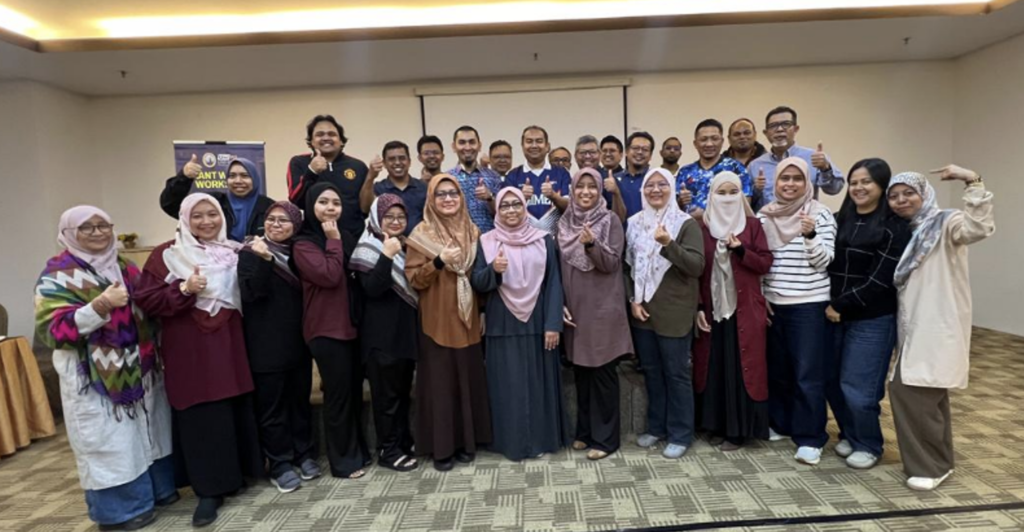
The workshop gathered 30 academic staff members and was held from 17 to 18 January 2026. The programme was officiated by Dean of UniKL MIMET, Ts. Dr. Zaimi Zainal Mukhtar.
The programme also recorded a strong response from the academic community at UniKL MIMET, with more than 90 per cent of invited Senior Lecturers attending the workshop.
Note: In line with Malaysia’s aspiration to achieve the Sustainable Development Goals (SDGs), Universiti Kuala Lumpur (UniKL) continues to strengthen and expand its efforts through various initiatives. This article particularly supports SDG 4 (Quality Education) and SDG 16 (Peace, Justice and Strong Institutions).