
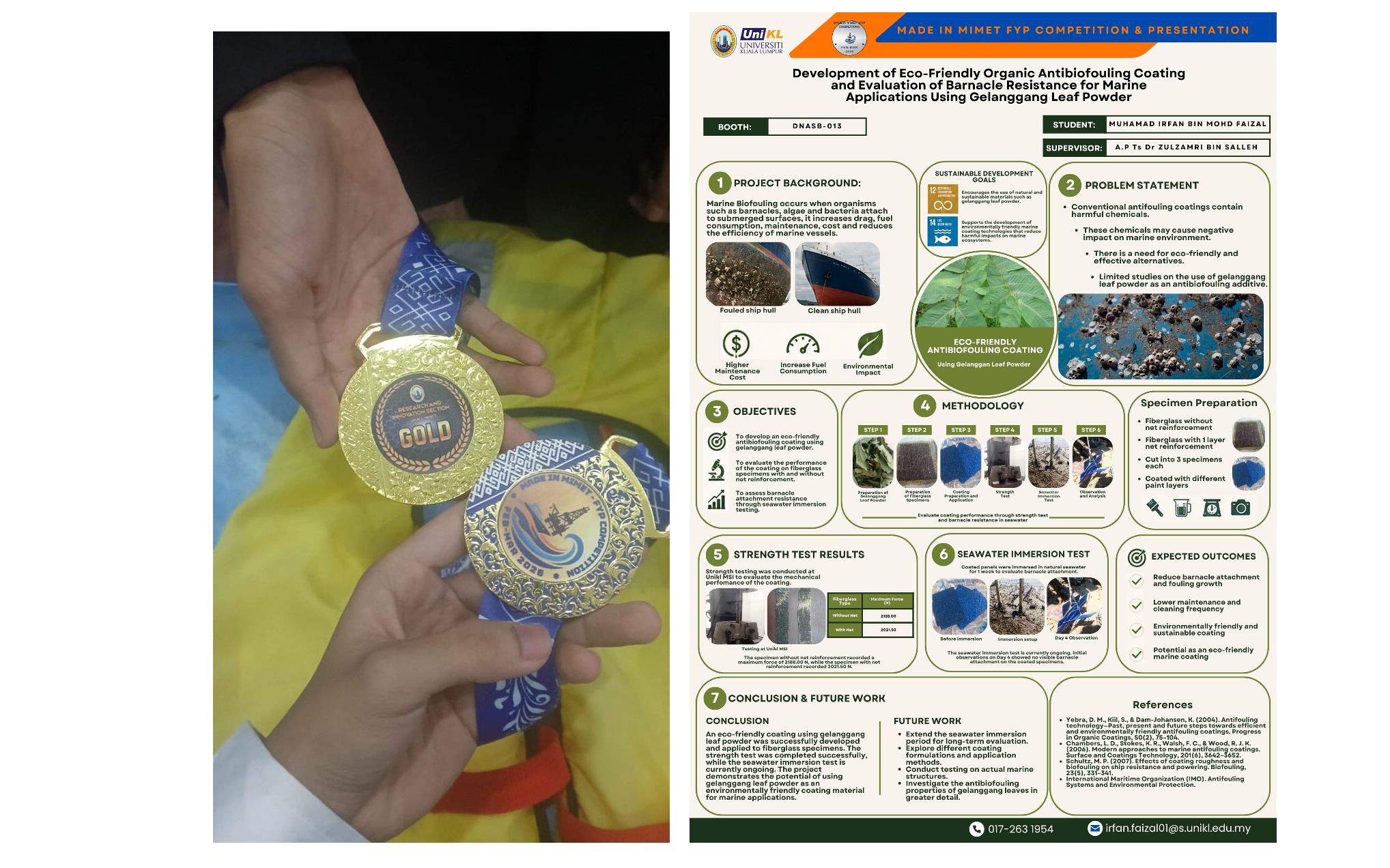
A plant commonly found along the banks of the Manjung River is becoming the focus of an emerging sustainable maritime research initiative by Universiti Kuala Lumpur Malaysian Institute of Marine Engineering Technology (UniKL MIMET).
From 31 August to 4 September 2026, a UniKL research team brought its preliminary work on Senna alata, locally known as Daun Galenggang, to The Hong Kong University of Science and Technology (HKUST), exploring its potential as an environmentally friendly material for marine antifouling applications.
The initiative reflects UniKL’s growing research focus on sustainable maritime engineering, green materials, marine technology and environmentally responsible innovation, while demonstrating how locally available natural resources can inspire research with broader international relevance.
Led by Assoc. Prof. Ts. Dr. Zulzamri Salleh of UniKL MIMET, the research team also comprises Dr. Raja Nazarul Hakim Raja Nazri of UniKL MICET and Dr. Ismail Zainol of UniKL MIMET.
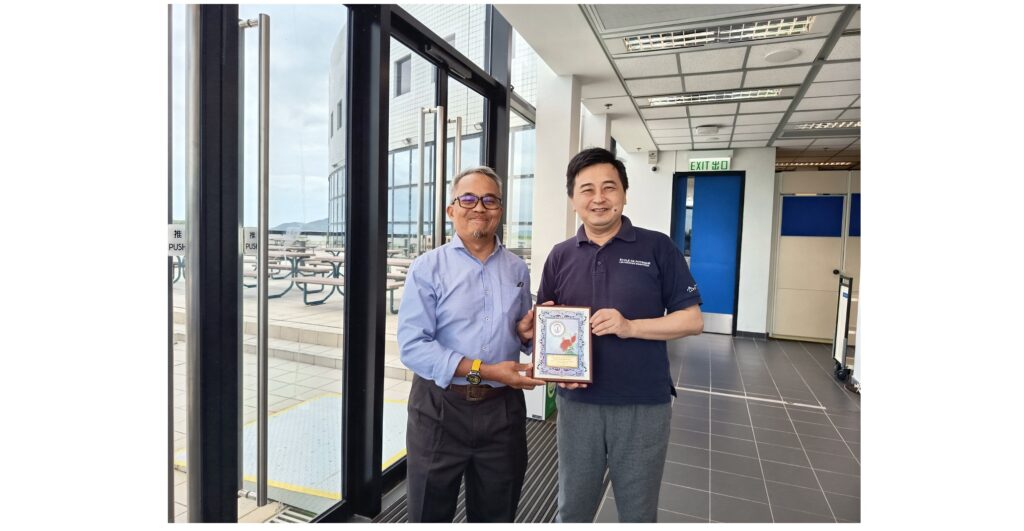
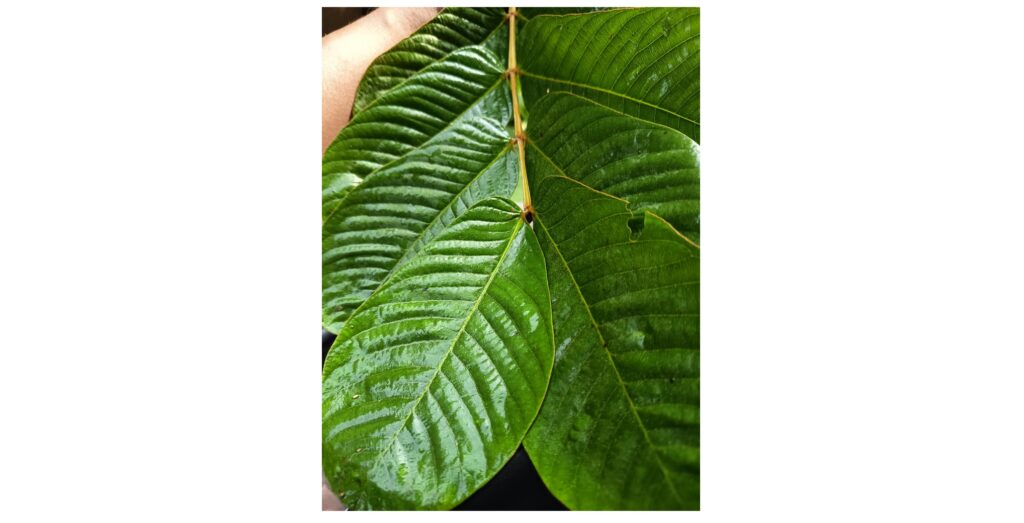
Their work investigates whether Senna alata, a naturally abundant plant in Malaysia, can be developed into an eco-friendly organic coating for marine applications. Draft UNIKL
The research began closer to home, with Diploma in Naval Architecture and Shipbuilding students at UniKL MIMET participating through their Final Year Projects.
Supported by senior technicians Mohd Khairuddin Abdul Karim and Tarmizi Yusoff, students collected the leaves before cleaning, drying and processing them into powder as an initial step towards developing the research material.
Marine biofouling occurs when organisms such as barnacles attach themselves to submerged surfaces including ships and offshore structures.
This can increase surface roughness and potentially contribute to higher resistance, maintenance requirements and operational costs.
The UniKL research explores whether a plant-based material could eventually offer a more sustainable alternative for protecting marine surfaces while reducing potential environmental impacts associated with conventional solutions.
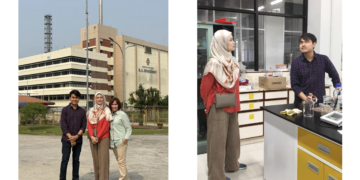
The research mobility programme at HKUST enabled the team to move beyond early material preparation and explore more advanced approaches to material characterisation, surface properties and coating performance.
During the programme, Prof. Su Haibin facilitated laboratory visits and technical discussions involving material sample preparation, characterisation and equipment utilisation, with researchers, postgraduate students and postdoctoral researchers sharing practical expertise within an advanced research environment.
Among the areas being considered for future investigation is surface wettability, including the measurement of water contact angles to understand whether the resulting coating demonstrates hydrophilic or hydrophobic characteristics.
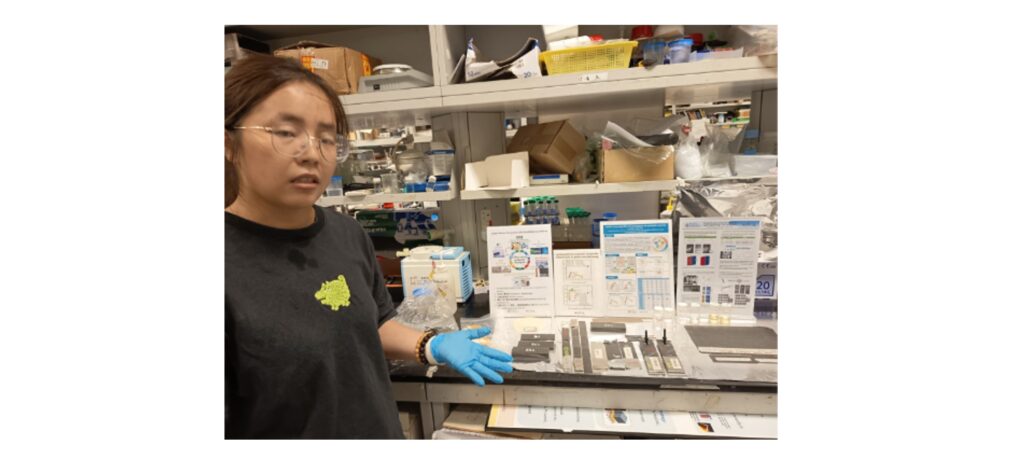
Researchers are also considering coating adhesion studies, including pull-off adhesion testing methods applicable to ASTM D4541, as part of efforts to determine whether the proposed material can remain attached to marine substrates under demanding conditions.
The project directly supports United Nations Sustainable Development Goal (SDG) 12: Responsible Consumption and Production by exploring the potential use of a locally available natural resource in developing more environmentally responsible materials.
It also aligns strongly with SDG 14: Life Below Water, as environmentally conscious antifouling solutions could contribute towards reducing the ecological impact associated with marine operations and protecting aquatic environments.
The research additionally connects with SDG 9: Industry, Innovation and Infrastructure, through the development and scientific evaluation of innovative materials with potential applications in the maritime sector.
The project, however, remains at an early research stage. Further work will involve systematic material characterisation, coating formulation, wettability studies, adhesion testing, seawater exposure and eventual evaluation of resistance to marine biofouling and barnacle attachment.