

Thirty-three students from Universiti Kuala Lumpur Royal College of Medicine Perak (UniKL RCMP) expanded their understanding of cultural heritage preservation, audiovisual archives and regional collaboration through their participation in the 30th Southeast Asia-Pacific Audiovisual Archive Association Conference (SEAPAVAA 2026).
The students, comprising participants from the Bachelor of Psychology and Foundation in Medical Sciences programmes, were accompanied by four UniKL RCMP staff members during the conference’s cultural excursion and closing ceremony in Lenggong, Perak, on 11 June 2026.
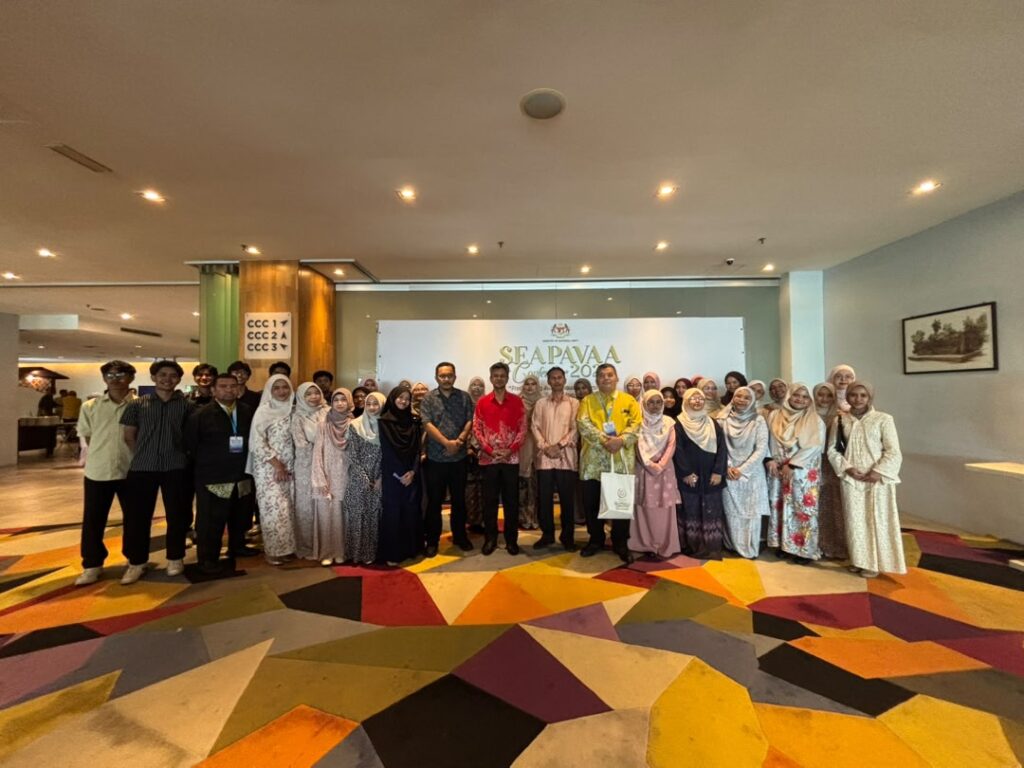
Organised by Arkib Negara Malaysia, the programme brought together delegates, archivists and heritage professionals from across Southeast Asia and the Pacific to exchange knowledge on the preservation of audiovisual records, collective memory and cultural identity.
The UniKL RCMP delegation’s participation was coordinated by the Pusat Kajian Warisan dan Sejarah Perak (PKWSP), UniKL RCMP, as part of the university’s efforts to provide meaningful experiential learning beyond the classroom.
Before the cultural excursion, the students also attended the SEAPAVAA 2026 Opening Ceremony at Casuarina @ Meru in Ipoh on 8 June 2026. The international gathering provided them with an opportunity to witness the official launch of the conference and interact with delegates from various countries across the region.
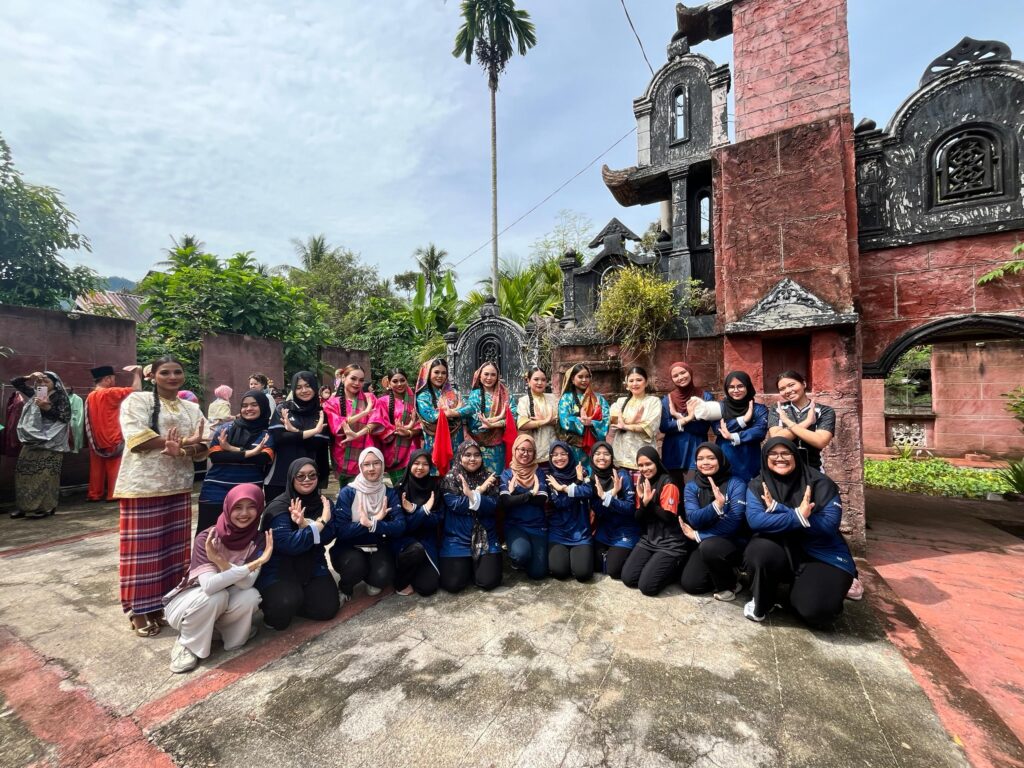
During the excursion, the delegation visited several prominent cultural and heritage destinations in Lenggong and Kuala Kangsar, including Aki Gallery at Kampung Chepor, the Lenggong Valley Archaeological Gallery and Kampung Warisan Budaya Karai.
The programme featured cultural exhibitions, traditional performances, archaeological site visits, heritage house tours and demonstrations of local crafts and traditional Perak cuisine.
These activities enabled students to explore how local history, customs and community knowledge are documented, protected and shared with future generations.
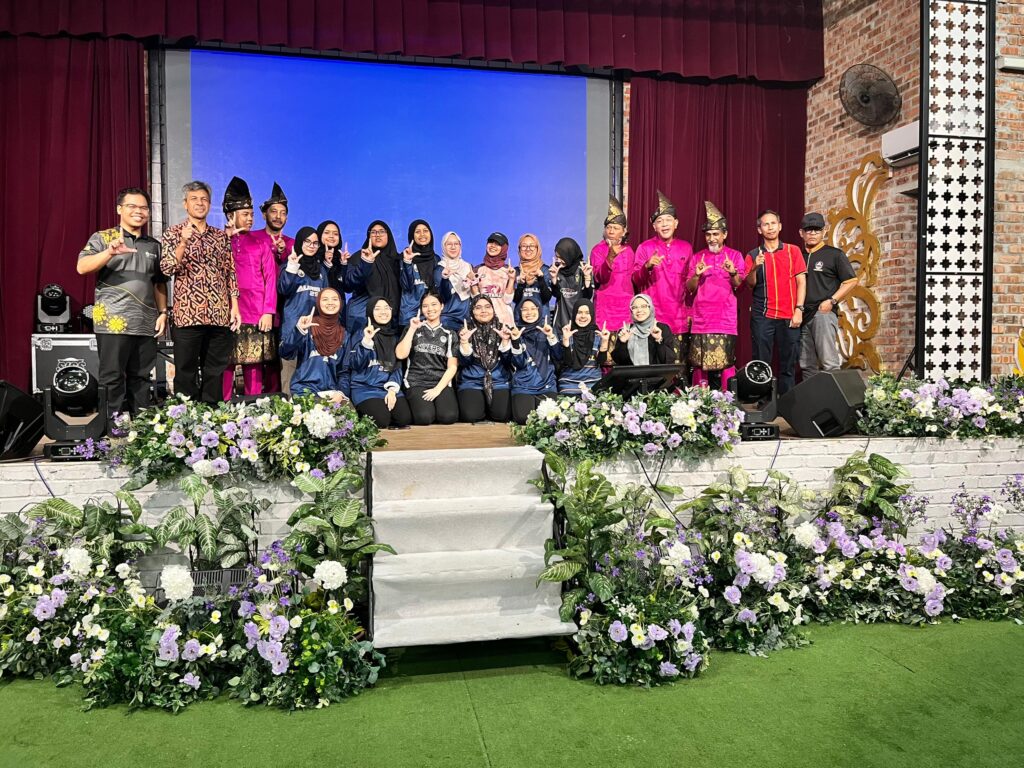
The initiative supports United Nations Sustainable Development Goal 4: Quality Education by promoting experiential, interdisciplinary and inclusive learning opportunities outside conventional classroom settings.
It also contributes to SDG 11: Sustainable Cities and Communities, which calls for stronger efforts to protect and safeguard cultural and natural heritage.