

Halal franchising has the potential to create a ripple effect of opportunities across the industry, driven by a global halal economy currently valued at US$3 trillion and projected to grow to US$5 trillion, or approximately RM22.3 trillion, by 2030.
Based on these figures, Malaysia is positioned at a sweet spot to reap the benefits of this growth, having been ranked number one globally for 10 consecutive years, reflecting strong governance, credible standards, and high industry confidence.
During the Malaysia Franchise Awards Night organised by the Malaysia Franchise Association (MFA) on 15 December 2025, the Deputy Prime Minister and Minister of Rural and Regional Development (KKDW), Dato’ Seri Dr Ahmad Zahid Hamidi, proposed the establishment of a National Franchise Academy integrated with TVET.
The academy would focus on developing franchise-ready workers, standardising service excellence, and professionalising frontline talent to support consistent brand delivery.
In addition, Malaysia has set an ambitious target of achieving RM100 billion in national franchise sales by 2030, and ASEAN, with a combined population of more than 680 million consumers and a rapidly expanding middle class, presents vast opportunities for Malaysian brands seeking regional and global expansion.
He specifically mentioned the role of Universiti Kuala Lumpur (UniKL) in working together with MFA to translate this commitment into action by developing franchise-ready workers, standardising service excellence, and professionalising frontline talent to ensure Malaysian brands are supported by a skilled and consistent workforce.
“Halal franchising offers a powerful platform to export Malaysian brands and standards globally, leveraging the country’s position as the world’s top-ranked leader in the sector for 10 consecutive years,” he said.
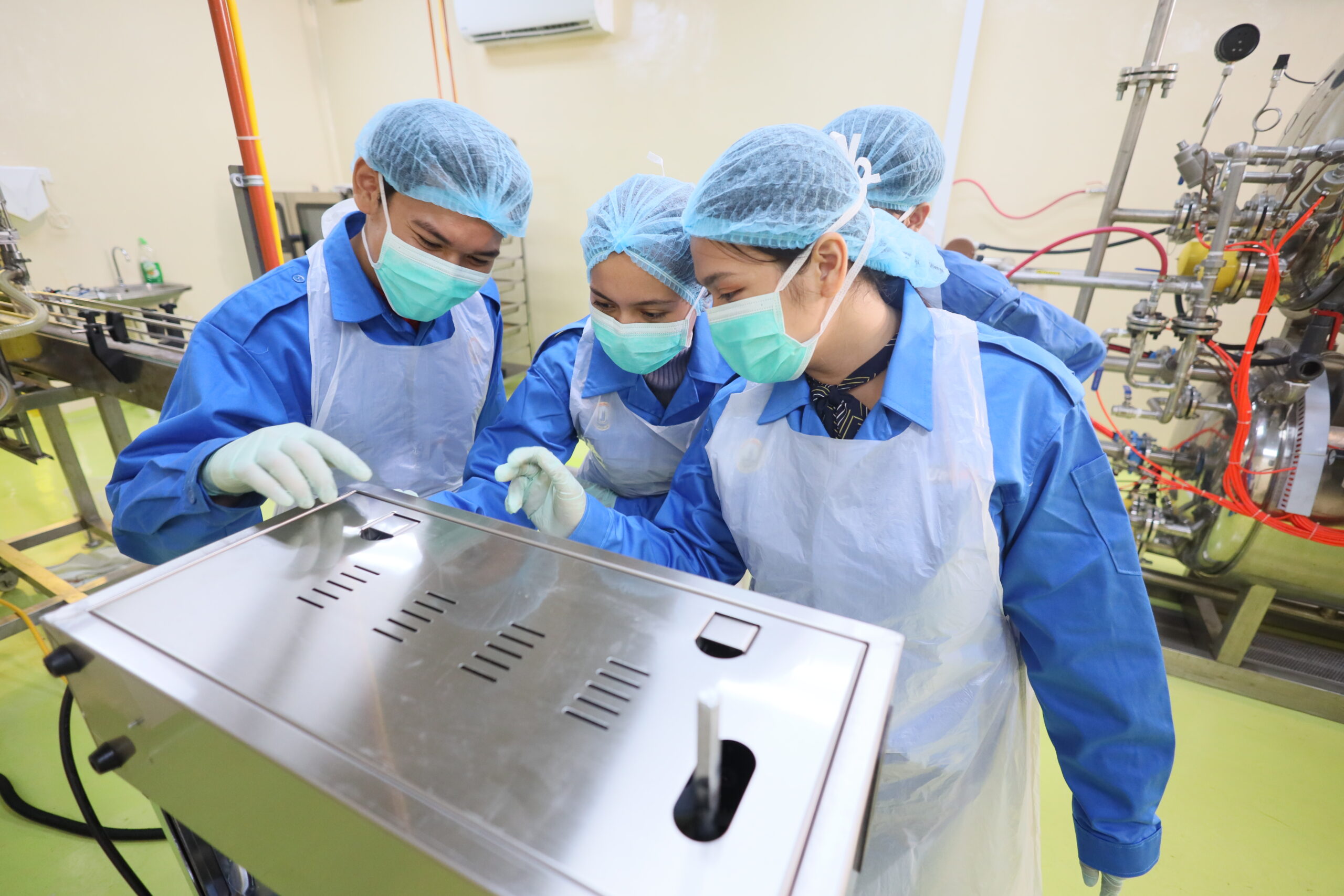
Against this backdrop, with its applied-learning ecosystem, UniKL through its food engineering–specialised campus, UniKL Malaysian Institute of Chemical and Bioengineering Technology (UniKL MICET) can bridge policy intent and industry readiness.
First, UniKL can design practical, industry-relevant TVET training modules tailored to halal franchising. These programmes can cover halal certification requirements, standard operating procedures (SOPs), food safety, and quality management systems.
Second, UniKL MICET is well-positioned to function as a training and certification centre for developing qualified Halal Franchise Executives. A structured certification pathway will help meet industry demand for competent personnel who understand both halal compliance and franchise operations, while professionalising career pathways within the halal franchise ecosystem.
In addition, leveraging UniKL’s strengths in engineering, food technology, and digital systems, the university can support the development of e-learning–based halal training platforms and halal compliance monitoring tools for franchise operations.
Digital solutions will enable scalability, consistency, and improved compliance oversight, especially for franchises operating across multiple locations and markets.
Finally, UniKL can serve as a strategic industry partner in improving halal products and processes. Through applied research and industry collaboration, the university can support process optimisation, quality assurance, and innovation to ensure Malaysian halal franchises remain efficient, consistent, and globally competitive without compromising halal integrity.
The future of Malaysia’s halal leadership depends not only on strong standards but also on the ability to institutionalise talent development and operational excellence.
By positioning UniKL as a key implementation partner, Malaysia can strengthen its halal franchising ecosystem and ensure that Malaysian brands are supported by a skilled, consistent, and globally competitive workforce, setting a benchmark for halal excellence worldwide.