

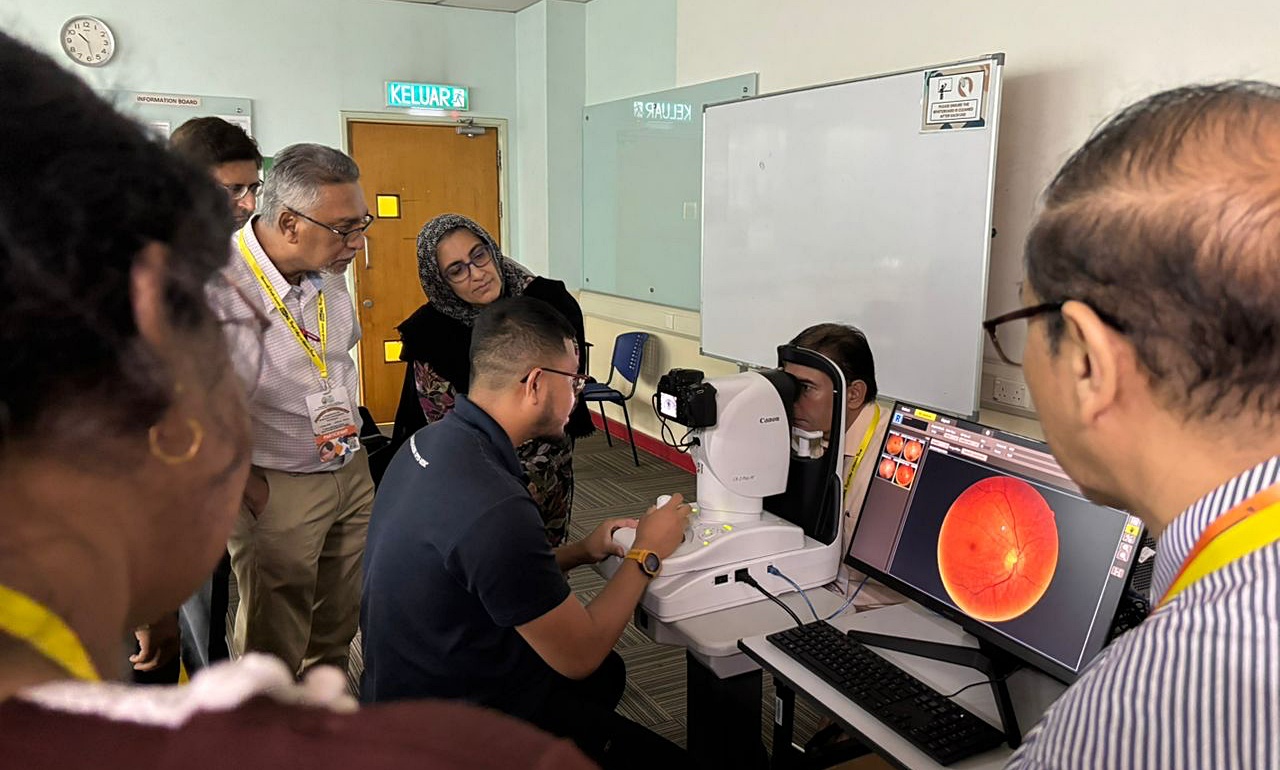
Accurate screening and early diagnosis of diabetic retinopathy (DR) remain a challenge for many frontline healthcare providers in Malaysia, especially those without specialised ophthalmology training.
While tools like the fundus camera are widely used, interpreting retinal images accurately still poses a steep learning curve, leading to delayed diagnoses and, ultimately, preventable blindness.
Recognising this critical gap, Universiti Kuala Lumpur Royal College of Medicine Perak (UniKL RCMP) hosted a highly focused training initiative — Diabetic Retinopathy: A Workshop on Grading & Assessment Technique — to upskill healthcare professionals in the screening and assessment of diabetic retinopathy.
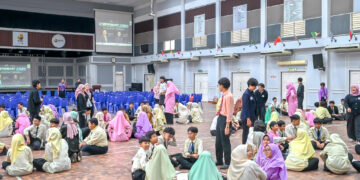
Organised by the Surgical-Based Department, Faculty of Medicine (FOM), in collaboration with the Advancement & Continuing Education (ACE), the workshop gathered 68 participants from diverse medical backgrounds, including optometrists, medical officers, nurses, and paramedics.
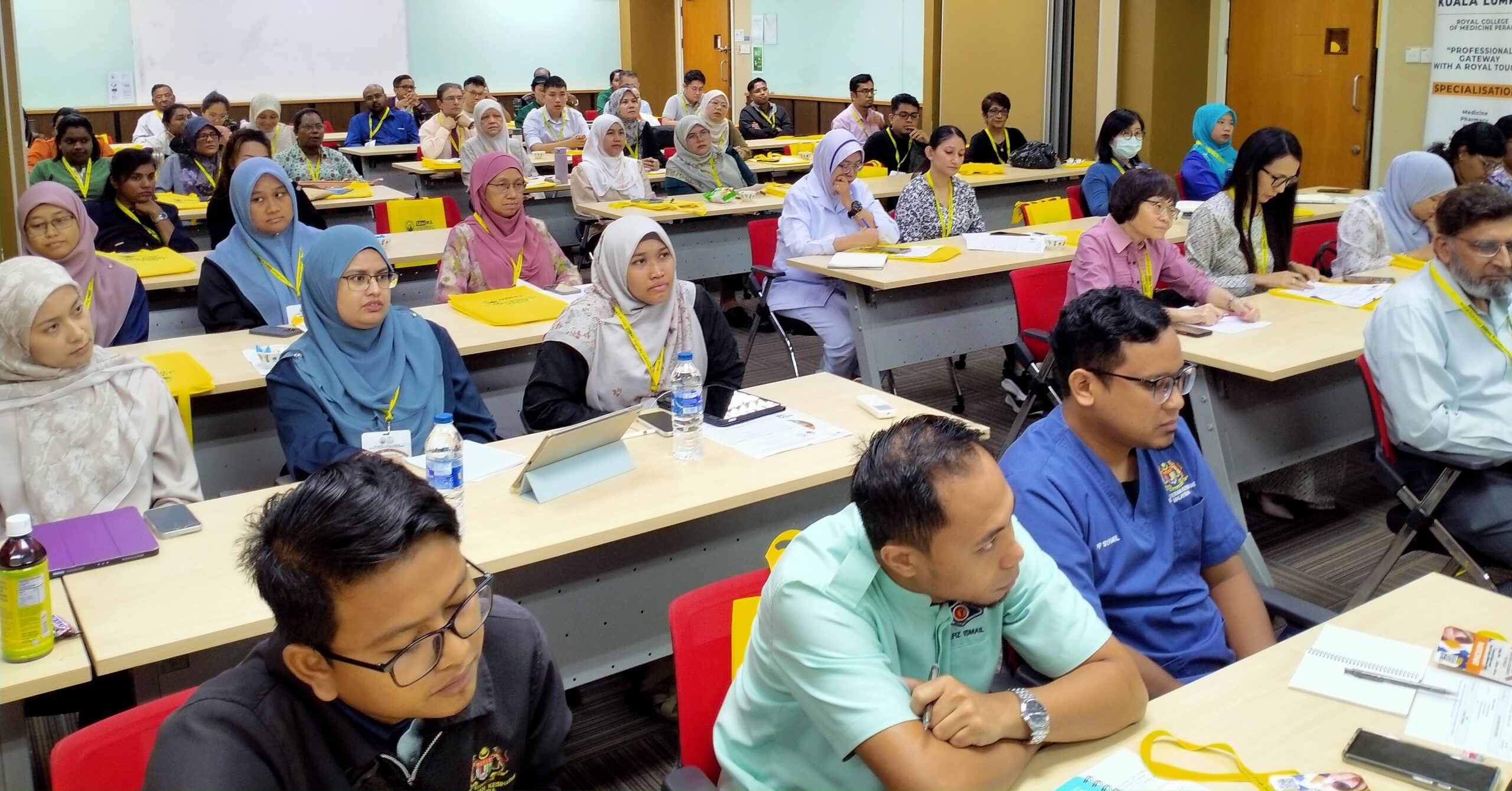
This one-day capacity-building event aimed to improve adherence to the Ministry of Health’s Clinical Practice Guidelines (CPG) on diabetic retinopathy, with special emphasis on accurate grading, practical image interpretation, and the proper use of fundus cameras.
The workshop was divided into two core sessions. The morning session provided in-depth theoretical knowledge, including a walkthrough of the national CPG, disease progression, and grading systems.
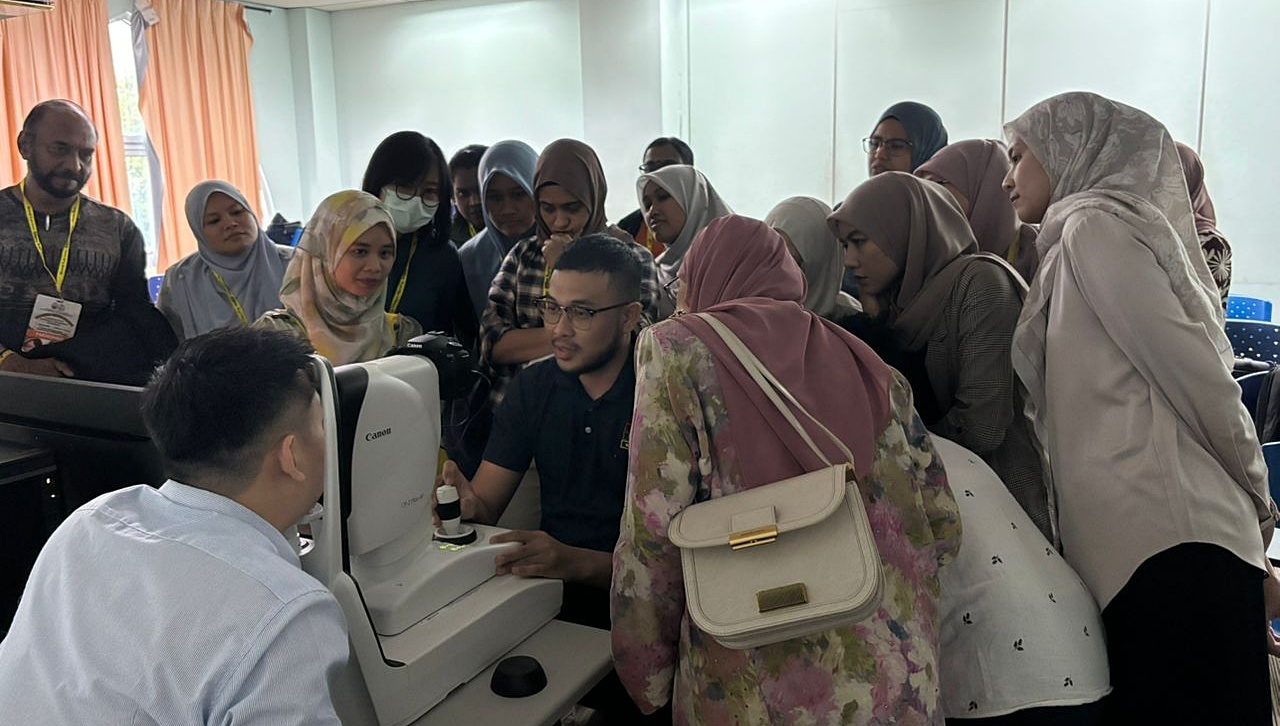
The afternoon was hands-on, with participants rotating through four interactive stations simulating real-world DR screening including the Fundus Camera, Visual Acuity, Fundus Photo Grading and quiz.
This capacity-building initiative is expected to improve the quality of DR screening and foster greater adherence to national clinical guidelines.